After three years of conflict, Sudan faces a deeper health crisis
WHO
|
四月 14, 2026
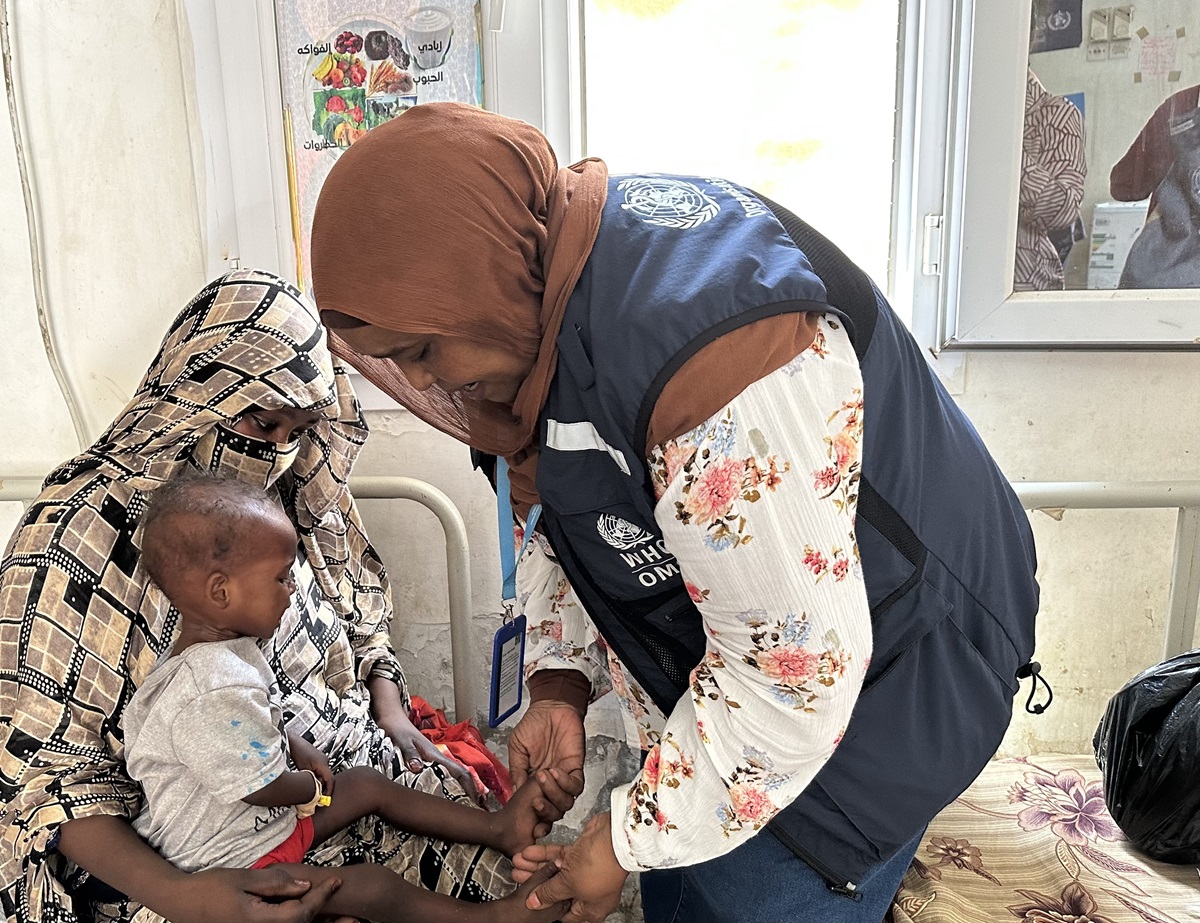
After three years of war, Sudan now accounts for the world’s largest humanitarian crisis, with 34 million people needing aid, 21 million lacking health services, and repeated attacks crippling a medical system already weakened by disease and hunger. While the situation is improving in some states, the health crisis is deepening in areas where fighting continues. Disease outbreaks and malnutrition are rising, while access to health services shrink, and funding falls short.
After three years of war, Sudan now accounts for the world’s largest humanitarian crisis, with 34 million people needing aid, 21 million lacking health services, and repeated attacks crippling a medical system already weakened by disease and hunger.
While the situation is improving in some states, the health crisis is deepening in areas where fighting continues. Disease outbreaks and malnutrition are rising, while access to health services shrink, and funding falls short.
“The war in Sudan is devastating lives and denying people their most basic rights, including health, water, food and safety. The health system has been crippled, leaving millions without essential health care,” said Dr Tedros Adhanom Ghebreyesus, WHO Director-General. “Doctors and health workers can save lives, but they must have safe places to work and the medicines and supplies they need. Ultimately, the best medicine is peace.”
Over 4 million people are estimated to be acutely malnourished in 2026 (IPC Alert, 5 February 2026) making them vulnerable to medical complications and disease.
Disease outbreaks are widespread, with malaria, dengue, measles, polio (cVDPV2), hepatitis E, meningitis, and diphtheria reported from several states, including Al Jazirah, Darfur, Gedaref, Khartoum, Kordofan, River Nile, and White Nile states.
Across Sudan’s 18 states, 37% of health facilities remain non-functional. Health facilities, ambulances, patients and health workers have been repeatedly attacked, further reducing access to health care, particularly in conflict-affected areas where hospitals are only partially functioning or have closed due to the destruction of facilities and equipment.
WHO has verified 217 attacks on health care, since 15 April 2023, with 2052 deaths and 810 injuries.
In the Greater Darfur and Kordofan regions, fighting has forced people from their homes and severely restricted the movement of humanitarian supplies. An example of this is the recent attack on El Daein Teaching Hospital in East Darfur, which has further compounded the crisis, resulting in at least 64 deaths, including children and health workers, and rendering the hospital non-functional. The hospital served as a critical referral hospital for hundreds of thousands of people across East Darfur.
“Three years in conflict have turned Sudan into the world’s largest ongoing health crisis, where disease is spreading, malnutrition is rising, and access to health care is rapidly declining,” said WHO Regional Director for the Eastern Mediterranean Dr Hanan Balkhy. “With millions lacking basic medical care, facing hunger, and at risk of disease, Sudan’s health crisis continues to deepen, emphasizing the urgent need for humanitarian support and long-term solutions.
This article was originally published by WHO. For more details, images, and references:
Read Full Original Article ↗