Australia becomes the 30th country to eliminate trachoma as a public health problem
WHO
|
四月 28, 2026
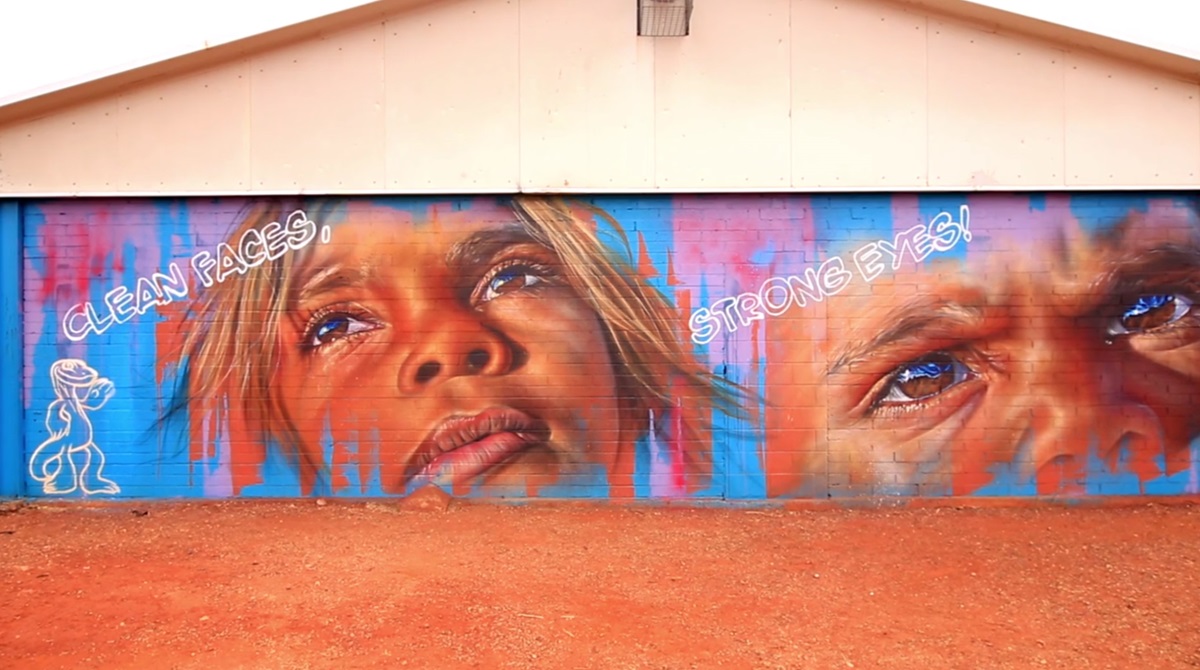
The World Health Organization (WHO) has validated Australia for eliminating trachoma as a public health problem, marking a significant milestone in the health of indigenous peoples and in global efforts to combat neglected tropical diseases (NTDs). Trachoma, the world’s leading infectious cause of blindness, no longer represents a public health problem in the country.
The World Health Organization (WHO) has validated Australia for eliminating trachoma as a public health problem, marking a significant milestone in the health of Indigenous peoples and in global efforts to combat neglected tropical diseases (NTDs). Trachoma, the world’s leading infectious cause of blindness, no longer represents a public health problem in the country.
Australia is among a growing number of countries that have successfully eliminated trachoma, contributing to global progress towards the targets set out in the WHO road map for NTDs 2021–2030.
Trachoma is caused by the bacterium Chlamydia trachomatis and spreads through close contact with infected individuals, contaminated surfaces, and flies that carry eye and nose discharge. Repeated infections can lead to scarring of the eyelids, turning eyelashes inward, and ultimately causing blindness if untreated.
“WHO congratulates Australia on this important achievement,” said Dr Tedros Adhanom Ghebreyesus, WHO Director-General. “This success reflects sustained commitment, strong partnerships, and a focus on reaching populations most affected by health inequities. It brings us closer to a world free from the suffering caused by trachoma.”Australia’s journey to eliminationAustralia’s achievement reflects decades of targeted public health action, particularly in remote Aboriginal and Torres Strait Islander communities, where trachoma persisted despite its earlier disappearance from the rest of the country.
National efforts intensified with the establishment of the National Trachoma Management Programme in 2006, which implemented the WHO-recommended SAFE strategy: surgery for trichiasis, antibiotics to treat infection, promotion of facial cleanliness, and environmental improvement. Regular screening of all communities classified as at-risk of trachoma by teams of qualified health workers formed an important part of the Programme. Interventions were delivered through coordinated partnerships between federal and state governments, Aboriginal community-controlled health services, and local communities.
Over time, sustained screening, treatment, and prevention activities, including improvements in housing, water, sanitation and hygiene, led to a steady decline in trachoma prevalence. Australia’s approach included adaptations to reflect its context, such as targeted treatment based on community-level data rather than mass drug administration, and strong integration with environmental health programmes.
“Elimination of trachoma is a win for the eye health of communities across Australia, particularly those whose lives have been impacted by a disease that is entirely preventable,” said Mark Butler, Minister for Health and Ageing, Australia. “This major milestone is thanks to Aboriginal and Torres Strait Islander leadership, community commitment and sustained investment over many decades.
This article was originally published by WHO. For more details, images, and references:
Read Full Original Article ↗