Medical News Today: Could a probiotic prevent or reverse Parkinson's?
MedicalNewsToday
|
一月 22, 2020
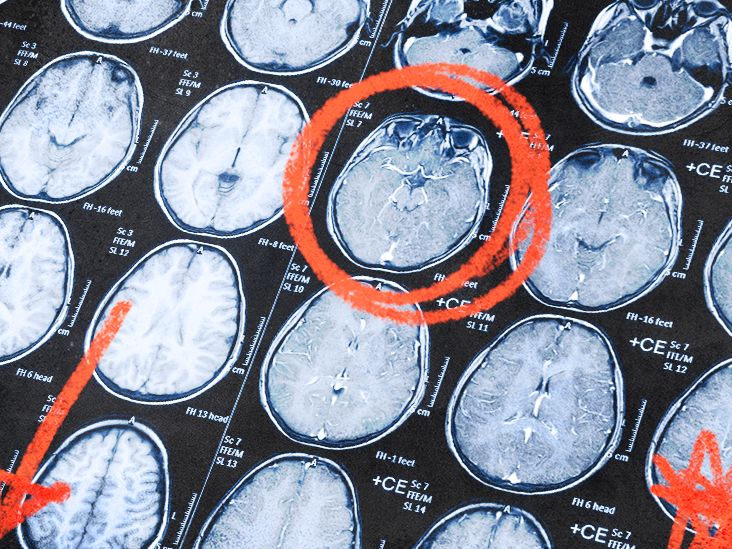
Scientists recently tested probiotics in a roundworm model of Parkinson’s. A particular bacterium had a protective effect and improved symptoms.
Key takeawaysParkinson’s disease is a progressive condition that affects the nervous system, leading to symptoms such as tremors, stiffness, and coordination problems.Early signs of Parkinson’s include slight tremors, loss of smell, and balance problems. Risk factors include head trauma, toxin exposure, age, and certain medications.While there is no cure for Parkinson’s, treatments such as physiotherapy, medication, and surgery can help manage symptoms and maintain a near-typical life expectancy.Parkinson’s typically affects people over 60, but can occur at younger ages. The exact cause of Parkinson’s is not clear, and there is no cure. Treatment typically involves medication and therapy to manage symptoms.Read on to find out more about the early signs of Parkinson’s disease and what causes it.What is Parkinson’s disease?Parkinson’s disease is a movement disorder that affects the nervous system. Its symptoms occur because of low dopamine levels in the brain. Early signs include tremor, a loss of sense of smell, and coordination problems.Experts do not know why Parkinson’s disease develops, but they currently believe that genetic changes and exposure to environmental factors, such as toxins, play a key role.Share on PinterestEarly signs and symptomsThe symptoms of Parkinson’s disease develop gradually. They often start with a slight tremor in one hand and a feeling of stiffness in the body. Over time, other symptoms develop, and some people can experience dementia.Some early signs of Parkinson’s disease may include:movement changes, such as tremorscoordination and balance impairments that can cause a person to drop things or fall overa loss of sense of smellgait changes, so a person leans forward slightly or shuffles when walkingfixed facial expressions due to changes in the nerves that control face musclesa voice tremor or softer voicemore cramped and smaller handwritingsleep problems resulting from restless legs and other factorsrapid eye movement sleep disorder may be a powerful predictor, according to a 2015 studyMovement symptoms may start on one side of the body and gradually affect both sides.Other common symptoms include:mood changes, including depressiondifficulty chewing and swallowingfatigueconstipationskin problemsdementia, delusions, and hallucinations that can develop in timeHaving these symptoms does not mean a person has Parkinson’s disease. Various other conditions can have similar symptoms, such as:Parkinsonismhead traumaencephalitisstrokemultiple system atrophyprogressive supranuclear palsyCauses and triggers of Parkinson’s diseaseParkinson’s disease is a neurological disorder that develops when changes occur in the brain. Precisely what triggers it, and why it happens, is unclear, but scientists have identified some variations that occur.Low dopamine levelsParkinson’s disease symptoms mainly result from low or falling levels of dopamine, a neurotransmitter.
This article was originally published by MedicalNewsToday. For more details, images, and references:
Read Full Original Article ↗