Medical News Today: New SARS-like virus may be spreading outside China
MedicalNewsToday
|
一月 16, 2020
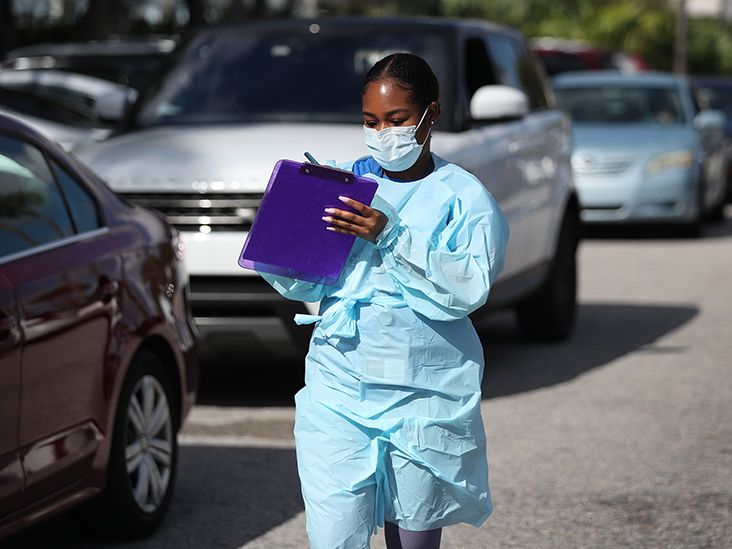
Reports of a novel virus spreading to countries in East and Southeast Asia have put local authorities and the World Health Organization (WHO) on alert.
COVID-19 is a highly contagious disease that results from an infection with the virus SARS-CoV-2, a type of coronavirus. COVID-19 can occur without any symptoms. It can also cause symptoms that are severe and complications that can be fatal. Doctors do not yet know the full impact that it has on the body, but COVID-19 commonly affects a person’s ability to breathe.Even if a person has no symptoms, they can pass the infection to others. It is vital to take steps to prevent this. There is no cure for COVID-19. To prevent the illness, take precautions, such as washing the hands frequently, wearing a face-covering in public, and staying away from others. Isolating is especially crucial for people who feel ill.Vaccines are becoming available and are free for everyone in the United States. Learn about vaccine options in the U.S. and elsewhere.This article looks at the symptoms of COVID-19 and how the underlying infection spreads. We also explain what to expect and what to do if symptoms arise.Coronavirus resourcesFor more advice on COVID-19 prevention and treatment, visit our coronavirus hub.SymptomsShare on PinterestCOVID-19 results from an infection with a coronavirus, SARS-CoV-2. Coronaviruses are a large family of viruses that can cause respiratory illnesses. These range from the common cold to severe acute respiratory syndrome (SARS). The symptoms of COVID-19 may begin 2–14 days after exposure to the virus, and they can vary widely. A person may have no symptoms, or the symptoms may range from mild to severe. In some cases, COVID-19 is fatal.According to the Centers for Disease Control and Prevention (CDC), the disease may cause:a fever, chills or botha coughdifficulty breathingfatiguea headachemuscle achesa new loss of taste or smella sore throatnasal congestion or a runny nosenausea or vomitingdiarrheaThe World Health Organization (WHO) list the following less common symptoms: a skin rashconjunctivitis, known as pinkeyediscoloration of the fingers or toesAccording to the WHO, about 80% of people with COVID-19 recover without needing hospital treatment. Around 20% become seriously ill and about 5% need intensive care. At-risk groupsOlder adults and people with certain medical conditions appear to have a higher risk of developing severe COVID-19. COVID-19 can also affect young people, including those with no known health conditions. Older adultsThe risk of severe illness from COVID-19 increases as a person gets older. The greatest risk is among people aged 85 years and above.In the U.S., around 8 in 10 deaths from COVID-19 have been among people aged 65 or older.Individuals in this age group should take very careful precautions to avoid contact with the virus.
This article was originally published by MedicalNewsToday. For more details, images, and references:
Read Full Original Article ↗