Global health systems ‘at risk’ as funding cuts bite, warns WHO
UN Health
|
фев 02, 2026
The UN World Health Organization (WHO) warned on Monday that cuts to international aid and persistent funding gaps are undermining the global health system.
WHO/P. Virot
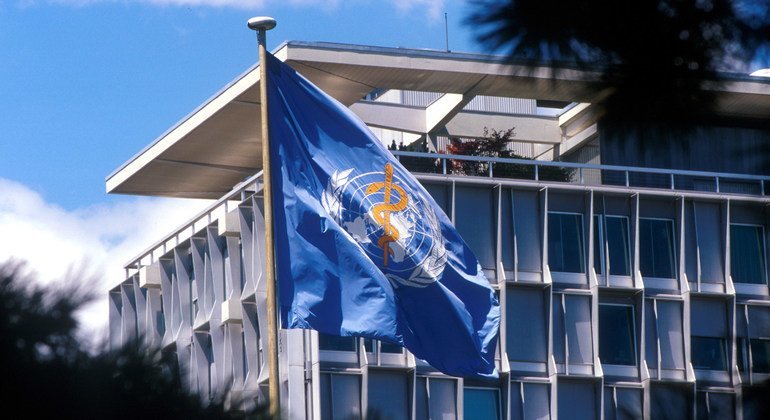
The flag of the UN World Health Organization (WHO) flies at its headquarters in Geneva, Switzerland.
Facebook
Twitter
Print
Email
The UN World Health Organization (WHO) warned on Monday that cuts to international aid and persistent funding gaps are undermining the global health system.
This is occurring as the risk from pandemics, drug-resistant infections and fragile health services are on the rise, said the WHO Director-General.
Addressing the WHO Executive Board in Geneva, Tedros Adhanom Ghebreyesus stressed the impact of workforce reductions last year due to “significant cuts to our funding,” which have had significant consequences.
“Sudden and severe cuts to bilateral aid have also caused huge disruptions to health systems and services in many countries,” he told health ministers and diplomats, describing 2025 as “one of the most difficult years” in the agency’s history.
While WHO had managed to keep its lifesaving work going, Tedros said the funding crisis exposed deeper vulnerabilities in global health governance, particularly in low and middle-income countries struggling to maintain essential services.
The WHO Executive Board has a sweeping agenda covering pandemic preparedness, immunisation, antimicrobial resistance, mental health and health emergencies in conflict zones.
Key issue: Members are also reviewing budget pressures, governance reform and formal withdrawal notifications from the United States and Argentina.
Why it matters: The discussions come as global health risks rise, even as international cooperation and predictable financing are under strain.
What’s next: Outcomes from this week’s meeting will be forwarded to the World Health Assembly in May, shaping WHO’s direction amid mounting geopolitical and public health pressures.
Click here for more information on the session, and here for our recent coverage of key global health issues.
The WHO funding crisis is part of a broader retreat from international health financing, forcing countries to make difficult choices, he added.
“In response to funding cuts, WHO is supporting many countries to sustain essential health services, and to transition away from aid dependency towards self-reliance,” Tedros said, pointing to domestic resource mobilisation – including higher health taxes on tobacco, alcohol and sugary drinks – as a key strategy.
Yet the scale of unmet needs remains vast.
According to WHO, 4.6 billion people still lack access to essential health services, while 2.1 billion face financial hardship because of health costs. At the same time, the world faces a projected shortage of 11 million health workers by 2030, more than half of them nurses.
Tedros said WHO has avoided a more severe financial shock only because Member States have agreed to increase mandatory assessed contributions, reducing the agency’s reliance on voluntary, earmarked funding.
This article was originally published by UN Health. For more details, images, and references:
Read Full Original Article ↗