Medical News & Insights

Global and Chinese healthcare advancements at your fingertips

All News International China Medical Medical Breakthroughs
News Cover
WHO أبر 27, 2026

Efforts to eliminate hepatitis delivers gains but more action needed to meet 2030 targets

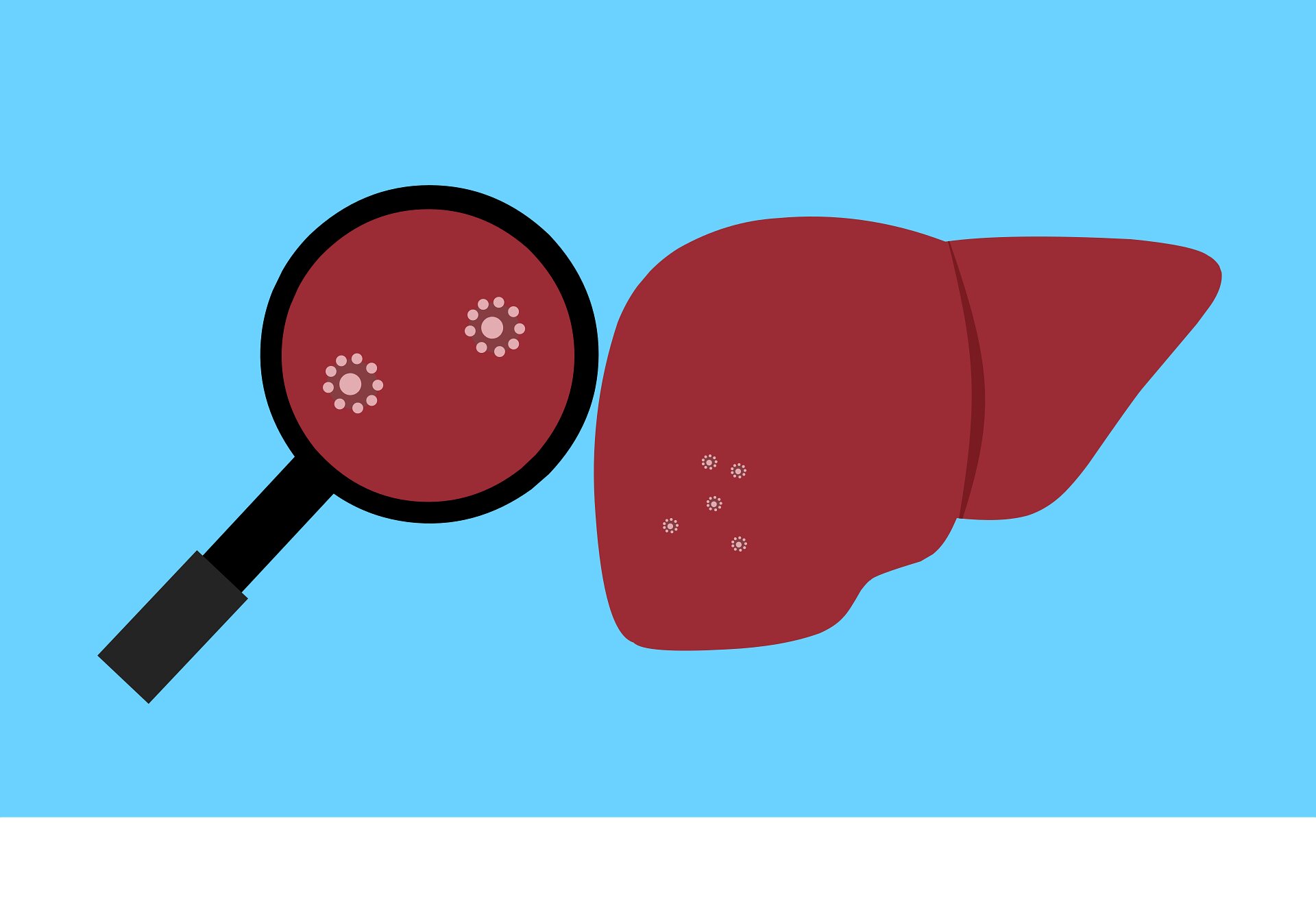
Global efforts to combat viral hepatitis are delivering measurable progress in reducing infections and deaths, but the disease remains a major global health challenge, according to a new World Health Organization (WHO) report released today at the World Hepatitis Summit.Viral hepatitis B and C – the two infections responsible for 95% of hepatitis-related deaths worldwide – claimed 1.34 million lives in 2024, the latest data show. At the same time, transmission continues, with more than 4900 new infections every day, or 1.8 million each year.The 2026 Global hepatitis report documents significant gains made since 2015. The annual number of new hepatitis B infections has dropped by 32% and hepatitis C-related deaths have fallen by 12% globally. Hepatitis B prevalence among children under five has also decreased to 0.6%, with 85 countries achieving or surpassing the 2030 target of 0.1%.These achievements reflect the impact of sustained, coordinated global and national action following the adoption of WHO viral hepatitis elimination targets by Member States at the World Health Assembly in 2016. However, the report warns that current rates of progress are insufficient to meet all 2030 elimination targets, underscoring the urgent need to accelerate prevention, testing, and treatment efforts worldwide.“Around the world, countries are showing that eliminating hepatitis is not a pipedream, it's possible with sustained political commitment, backed by reliable domestic financing,” said Dr Tedros Adhanom Ghebreyesus, WHO Director-General. “At the same time, this report shows that progress is too slow and uneven. Many people remain undiagnosed and untreated due to stigma, weak health systems and inequitable access to care. While we have the tools to eliminate hepatitis as a public health threat, urgent scale-up of prevention, diagnosis and treatment is needed if the world is to meet the 2030 targets.”Global burden and gaps in responseUpdated WHO estimates indicate that 287 million people were living with chronic hepatitis B or C infection in 2024.That year, 0.9 million people were newly infected with hepatitis B. The WHO African Region accounted for 68% of new hepatitis B infections, yet only 17% of newborns in the region received the hepatitis B birth-dose vaccination.A further 0.9 million hepatitis C infections were recorded in 2024. People who inject drugs accounted for 44% of new infections, highlighting the urgent need for stronger harm reduction services and safe injection practices.Of the 240 million people with chronic hepatitis B in 2024, fewer than 5% were receiving treatment. Only 20% of people with hepatitis C have been treated since 2015, when a new 12-week treatment with a cure rate of about 95% became available.As a result of limited access to prevention and care, in 2024 an estimated 1.1 million people died from hepatitis B and 240 000 from hepatitis C. Liver cirrhosis and hepatocellular carcinoma were the main causes of hepatitis related deaths. A large share of hepatitis B-related deaths occurred in the African and Western Pacific Regions.Ten countries – Bangladesh, China, Ethiopia, Ghana, India, Indonesia, Nigeria, the Philippines, South Africa and Viet Nam – accounted for 69% of hepatitis B related deaths worldwide in 2024. Hepatitis C-related deaths are more geographically dispersed. In 2024, ten countries accounted for 58% of the global total: China, India, Indonesia, Japan, Nigeria, Pakistan, the Russian Federation, South Africa, the United States of America and Viet Nam.Proven solutionsDespite these challenges, progress in countries such as Egypt, Georgia, Rwanda, and the United Kingdom demonstrates that eliminating hepatitis as a public health problem is achievable with sustained commitment and investment.Highly effective tools are already available:hepatitis B vaccine protects more than 95% of vaccinated people against both acute and chronic infections;long-term antiviral treatment for hepatitis B can help effectively manage chronic infection and prevent severe liver disease; and hepatitis C short-course curative therapy lasting 8-12 weeks can cure more than 95% of infections.“The data shows that progress is possible but also reveals where we are falling short. Every missed diagnosis and untreated infection due to chronic viral hepatitis represents a preventable death,” said Dr Tereza Kasaeva, Director, WHO Department for HIV, TB, Hepatitis and Sexually Transmitted Infections. “Countries must move faster to integrate hepatitis services for people living with hepatitis B and C into primary care, and to reach the communities most affected.”The report identifies priority actions to accelerate hepatis elimination as a public health threat. These include scaling up treatment for chronic hepatitis B infection, particularly in the WHO African and Western Pacific regions, and expanding access to hepatitis C treatment in the WHO Eastern Mediterranean Region.It also calls for stronger political commitment and financing, improved coverage of hepatitis B birth-dose vaccination and expanded antiviral prophylaxis to prevent mother-to-child transmission of HBV infection, particularly in the WHO African Region. In addition, the report emphasizes the need to improve injection safety in both health-care settings and community practices, including through strengthened harm reduction services for people who inject drugs. 

Read full article →
News Cover
WHO أبر 27, 2026

Practicing today for tomorrow’s emergencies – WHO convenes countries and partners to simulate response to major disease outbreak

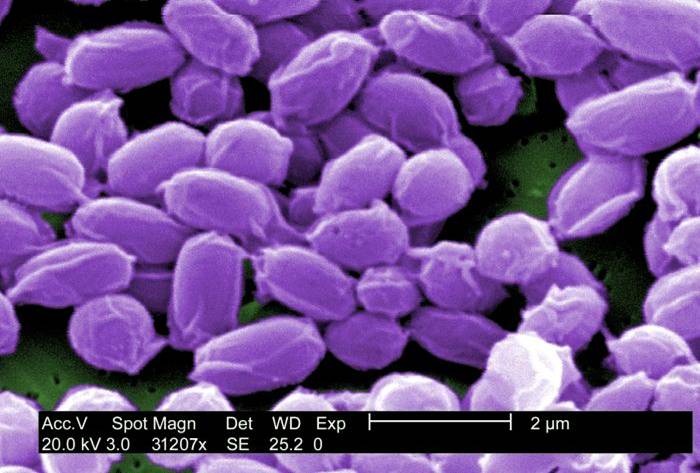
The World Health Organization (WHO) wrapped up Exercise Polaris II, a 2-day high-level simulation exercise, based around an outbreak of a fictional new bacterium spreading across the world. Bringing together 26 countries and territories, 600 health emergency experts and over 25 partners, the exercise, which took place on 22 and 23 April, allowed countries to test their preparedness for pandemics and other major health emergencies, including activating their emergency workforce structures, information flow and coordination with each other, partners and WHO.Building on the success of Polaris I held in April 2025, which centered on a fictional virus, each participating country activated its emergency coordination structure and worked under real-life conditions to share information, align policies and surge their workforce.“Exercise Polaris II showed what is possible when we act together. It demonstrated that global cooperation is not optional – it is essential,” said Dr Tedros Adhanom Ghebreyesus, WHO Director-General. “This is the purpose of the Global Health Emergency Corps: coordination across the emergency workforce, building trust, strengthening connections, and working as one across borders.”The simulation put two key WHO frameworks into practice, the Global Health Emergency Corps (GHEC) framework and the National health emergency alert and response framework, and explored the use of AI-enabled tools to support workforce organization and planning.The GHEC framework, published in June 2025, provides guidance on how countries can strengthen their health workforce to respond to emergencies based on the principles of sovereignty, equity and solidarity. It improves collaboration between countries by supporting information exchange and strengthening the deployment of regional and global emergency personnel when needed.The National health emergency alert and response framework, published in October 2025 outlines the key functions, coordination systems and actions needed for an effective response at local, sub-national and national levels.“By simulating the spread of a dangerous pathogen under real-life conditions, Exercise Polaris II helped us turn existing plans into action. It is not enough to have plans on paper – what matters is how they perform in practice,” said Edenilo Baltazar Barreira Filho, Director of the Public Health Emergencies Department, Ministry of Health, Brazil. The exercise also provided an opportunity to practice a coordinated provision of technical expertise and surge support to countries from over 25 national, regional and global health agencies and organizations, including Africa Centres for Disease Control and Prevention, the International Federation of Red Cross and Red Crescent Societies, Médecins Sans Frontières, Robert Koch Institute, UK-Med, UNICEF, and emergency networks such as the Global Outbreak Alert and Response Network, the Emergency Medical Teams initiative, Standby Partners, and the International Association of National Public Health Institutes.“Exercise Polaris II showed what it looks like when countries are prepared and ready to act together,” said Dr Chikwe Ihekweazu, Executive Director of WHO’s Health Emergencies Programme. “This reflects the spirit of the Global Health Emergency Corps: a well-organized, trained, coordinated and connected emergency workforce ready to respond wherever and whenever it is needed.”The second edition of the exercise saw a larger number of countries participate and collaborate through new networks such as the recently launched Health Emergency Leaders Network for Africa and the Eastern Mediterranean.Exercise Polaris II is part of HorizonX, WHO’s forward-looking, multi-year simulation exercise programme. It provides a vital platform to operationalize and practice emergency frameworks under real-life conditions, ensuring that collective readiness is not a periodic effort, but a continuous investment in global health security. Note to editorsParticipating countries and territories covering all WHO regions included Bangladesh, Brazil, Brunei, Colombia, Egypt, El Salvador, France, Georgia, Ghana, India, Indonesia, Jordan, Kenya, Kosovo*, Libya, Malaysia, Nepal, Oman, Paraguay, Philippines, Qatar, Republic of Congo, Rwanda, Suriname, Thailand, and Yemen.*All references to Kosovo on this page should be understood to be in the context of the United Nations Security Council resolution 1244 (1999).About WHODedicated to the well-being of all people and guided by science, the World Health Organization leads and champions global efforts to give everyone, everywhere an equal chance at a safe and healthy life. We are the United Nations’ agency for health that connects nations, partners and people on the front lines in 150+ locations – leading the world’s response to health emergencies, preventing disease, addressing the root causes of health issues and expanding access to medicines and health care. Our mission is to promote health, keep the world safe and serve the vulnerable.  “Together for health. Stand with science”, the theme of World Health Day 2026 marks a year-long campaign to highlight science as the foundation for protecting health and well-being worldwide. 

Read full article →
News Cover
WHO أبر 24, 2026

WHO prequalifies first-ever malaria treatment for newborns and infants, adds new diagnostic tests

Ahead of World Malaria Day on 25 April, the World Health Organization (WHO) has announced a significant step forward in the fight against malaria with the prequalification of the first treatment developed specifically for newborns and young infants weighing between two and five kilograms. The prequalification designation indicates that the medicine meets international standards of quality, safety and efficacy, and will help to expand access to quality-assured treatment for one of the most underserved patient groups.The newly prequalified treatment, artemether-lumefantrine, is the first antimalarial formulation designed specifically for the youngest malaria patients. Until now, infants with malaria have been treated with formulations intended for older children, which increase the risk of dosing errors, side effects and toxicity. WHO prequalification will enable public sector procurement, contributing to closing a long-standing treatment gap for some 30 million babies born each year in malaria-endemic areas of Africa."For centuries, malaria has stolen children from their parents, and health, wealth and hope from communities," said Dr Tedros Adhanom Ghebreyesus, WHO Director-General. "But today, the story is changing. New vaccines, diagnostic tests, next-generation mosquito nets and effective medicines, including those adapted for the youngest, are helping to turn the tide. Ending malaria in our lifetime is no longer a dream – it is a real possibility, but only with sustained political and financial commitment. Now we can. Now we must."New prequalified testsOn 14 April 2026, WHO also prequalified three new rapid diagnostic tests (RDTs) designed to address emerging diagnostic challenges for malaria. The most common malaria RDTs for P.falciparum parasite work by detecting the protein, known as HRP2. But based on reported studies and surveys in 46 countries, some strains of the malaria parasite have lost the gene that makes this protein – so they become "invisible" to HRP2-based RDTs, leading to false-negative results. In countries in the Horn of Africa, up to 80% of cases were missed, leading to delayed treatment, severe illness, and even death.The new tests address this issue by targeting a different parasite protein (pf-LDH) that the malaria parasite cannot easily shed. They provide a reliable, quality-assured alternative where HRP2-based tests are failing. WHO now recommends that countries switch to these alternative RDTs when more than 5% of cases are missed due to pf-hrp2 deletions. This ensures accurate diagnosis, appropriate treatment, and protects hard-won malaria control gains – especially for the most vulnerable communities.The announcements come as WHO and partners launch the 2026 World Malaria Day campaign, "Driven to End Malaria: Now We Can. Now We Must." The theme is a rallying cry to seize the moment – to protect lives now and fund a malaria-free future.According to the World malaria report 2025, there were an estimated 282 million cases and 610 000 deaths in 2024 – an increase from 2023. While 47 countries have been certified malaria-free and 37 countries reported fewer than 1000 cases in 2024, progress at the global level is stalling. Gains are at risk due to multiple challenges, including drug resistance, insecticide resistance, diagnostic failure, and severe reductions in international development assistance.Despite these challenges, substantial progress has been made, with an estimated 2.3 billion malaria infections prevented and 14 million lives saved worldwide since 2000.Twenty-five countries are now rolling out malaria vaccines, protecting millions of children, and next-generation mosquito nets make up 84% of all new nets distributed. These advances demonstrate what is possible when all partners work together to innovate and deliver on the promises towards ending malaria for all. About WHODedicated to the well-being of all people and guided by science, the World Health Organization leads and champions global efforts to give everyone, everywhere an equal chance at a safe and healthy life. We are the UN agency for health that connects nations, partners and people on the front lines in 150+ locations – leading the world’s response to health emergencies, preventing disease, addressing the root causes of health issues and expanding access to medicines and health care. Our mission is to promote health, keep the world safe and serve the vulnerable.“Together for health. Stand with science”, the theme of World Health Day 2026 marks a year-long campaign to highlight science as the foundation for protecting health and well-being worldwide. 

Read full article →
News Cover
WHO أبر 23, 2026

Largest catch-up initiative delivers over 100 million childhood vaccinations

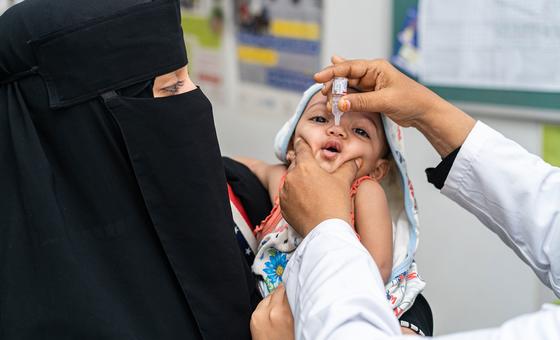
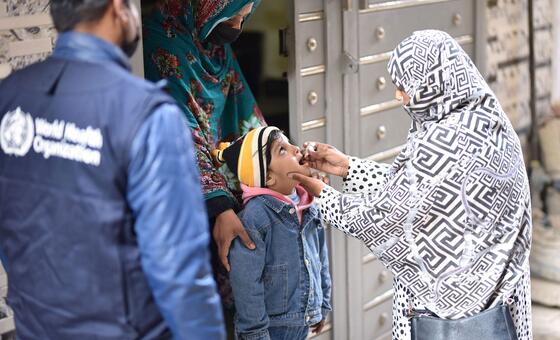
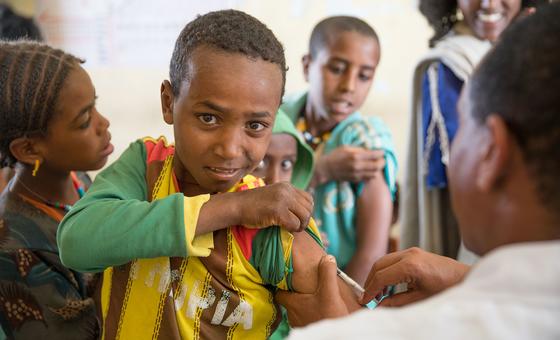
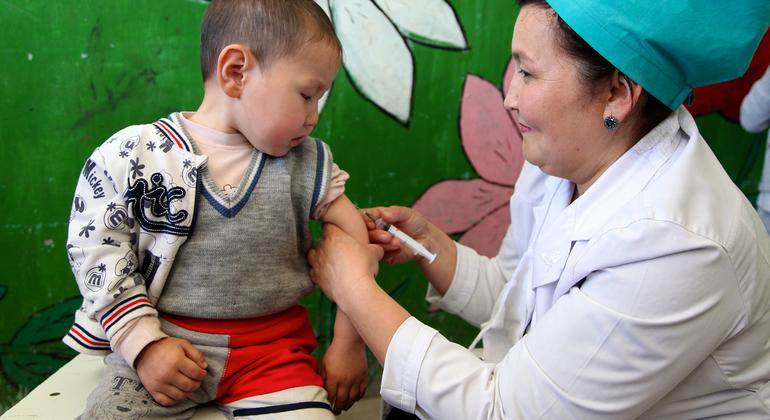
The Big Catch-Up, launched during World Immunization Week 2023, has delivered over 100 million vaccine doses to an estimated 18.3 million children across 36 countriesAround 12.3 million were “zero-dose children” who had not previously received any vaccines and 15 million who had never received a measles vaccine. The initiative concluded in March 2026 and is on track to meet its target of catching up 21 million children – but agencies warn that many infants still miss out on lifesaving vaccines through routine immunization every year.The Big Catch-Up (BCU), a historic multi-year, multi-country effort to address vaccination declines driven largely by the COVID-19 pandemic, has reached an estimated 18.3 million children aged 1 to 5 across 36 countries with more than 100 million doses of life-saving vaccines, helping to narrow critical immunity gaps, announced Gavi, the Vaccine Alliance (Gavi), WHO, and UNICEF at the start of World Immunization Week.Of the 18.3 million children reached between 2023 and 2025, an estimated 12.3 million were “zero-dose children” who had not yet received a vaccine and 15 million had never received a measles vaccine. BCU also provided 23 million doses of inactivated polio vaccine (IPV) to un- and under-vaccinated children, an essential intervention to reach polio eradication. Programme implementation concluded on 31 March 2026. Although final data is still being compiled, the global initiative is forecasted to be on track to meet its target of reaching at least 21 million un- and under-immunized children.However, agencies warn that while catch-up vaccination is an important strategy for closing immunisation gaps, expanding the reach of routine immunization programmes remains the most effective and sustainable way to protect children and prevent outbreaks of vaccine-preventable diseases.Addressing the vaccine equity gapBeyond pandemic recovery, the BCU initiative focused on closing the vaccine equity gap. Millions of children every year miss the essential vaccinations they should receive before the age of one. Most of them live in fragile, conflict-affected, or underserved communities and are never caught up as they grow older.The 36 participating BCU countries across Africa and Asia currently account for 60% of all zero-dose worldwide. Pandemic-related immunisation programme disruptions exacerbated this issue, and, in these countries, added millions more zero-dose children to those who already chronically miss out. To address this issue, the Big Catch-Up looked beyond infant immunization, for the first-time ever systematically leveraging routine immunisation systems to make deep inroads into the accumulated global cohort of older children between the ages of 1 to 5 – “older” because they should have received critical routine vaccines before the age of 1 – who remain vulnerable due to missed vaccinations.BCU catalysed long-lasting systems to identify, screen, vaccinate and monitor coverage rates in these older children – including updates to policies on age eligibility. Countries also oriented and trained health workers to identify, screen and vaccinate missed children as part of routine care and engaged with communities and civil society to support catch-up efforts. By expanding the reach of immunization to millions of previously missed children and their communities, and investing in systemic improvements, the BCU drive has made it easier for the countries to ensure these populations and others like them continue to receive essential health and immunization services in the future.Among the participating countries, 12 countries (Burkina Faso, Democratic People’s Republic of Korea, Ethiopia, Kenya, Madagascar, Mauritania, Niger, Pakistan, Somalia, Togo, United Republic of Tanzania, and Zambia) reported reaching more than 60% of all zero-dose children under the age of 5 who had previously missed DTP1. In Ethiopia, more than 2.5 million previously zero-dose children received DTP1. The country also delivered nearly 5 million doses of IPV and more than 4 million doses of measles vaccine, among other key vaccines, to un- and under-vaccinated children. Countries outside this group also reached large numbers of children. In Nigeria, for example, 2 million previously zero-dose children were reached with DTP1, and 3.4 million doses of IPV were administered alongside millions of doses of other vaccines.While these 36 countries received Gavi funding and technical assistance from WHO and UNICEF through BCU, many other countries also implemented activities during this period to accelerate efforts to catch-up missed children and recover immunisation services following pandemic-related backsliding.“As the largest ever international effort to reach missed children with life-saving vaccines, the Big Catch-Up shows what is possible when governments, partners and communities work together to protect the most vulnerable in society,” said Dr Sania Nishtar, CEO of Gavi, the Vaccine Alliance. “Thanks to this accomplishment, not only are millions of children now protected from preventable diseases but so are their communities, for generations to come.” "By protecting children who missed out on vaccinations because of disruptions to health services caused by COVID-19, the Big Catch-Up has helped to undo one of the pandemic's major negative consequences," said Dr Tedros Adhanom Ghebreyesus, Director-General of the World Health Organization. “The success of the Big Catch-Up is a testament to health workers and national immunization programmes, which are now better equipped to find and vaccinate children missed by routine services."   "Vaccinations save lives,” said UNICEF Executive Director Catherine Russell.  “This initiative shows what's possible when countries have the resources, tools, and political will to reach children with lifesaving vaccines. We've caught up with some of the children who missed routine vaccinations during the pandemic – but many more remain out of reach. The gains made through the Big Catch-Up must be sustained through investment in strong, reliable immunisation systems, especially at a time where measles is resurging."Looking at the challenges aheadThrough the Big Catch-Up, for the first time ever, countries and global partners successfully reached 12.3 million “older” zero dose children between the ages of 1 to 5. However, in 2024, an estimated 14.3 million infants under the age of one globally failed to receive a single vaccine through routine immunization programmes. Despite BCU demonstrating progress is possible with leadership and targeted investment and support, lowering this annual number of infants who miss out will require building systems that consistently reach the hardest to reach communities – against a backdrop of rising birth cohorts, conflict and displacement, funding cuts, and strained health systems.The consequences of chronic gaps in routine immunisation are plain to see. Measles outbreaks, for example, are rising in every region with around 11 million cases in 2024, and the number of countries facing large outbreaks has almost tripled since 2021. This surge is driven by persistent gaps in measles vaccination through routine immunization programmes, compounded by declining vaccine confidence in some previously high-coverage communities.Large-scale catch-up efforts are resource intensive and should serve only as a gap-filling measure that is complementary to routine immunization. Timely vaccination according to national immunisation schedules provides optimal protection and continues to be the most sustainable way to safeguard children and communities.For every generation, vaccines workWHO, UNICEF, and Gavi, along with countries and communities, are marking World Immunization Week (24–30 April 2026) with a joint campaign, "For every generation, vaccines work," calling on countries to sustain and expand vaccination coverage at every age. At the midpoint of the Immunisation Agenda 2030 (IA2030), and central to Gavi's 2026–2030 strategy (Gavi 6.0), the priority remains the same: reaching zero-dose children and advancing equity in the hardest-to-reach communities, particularly in countries grappling with conflict, instability, or fragile health systems. Maintaining that momentum will require expanding long-term domestic investments in immunization programmes and reliable commitments from partners and donors. Notes to editorsUseful linksPhotos and broll - UNICEFWHO catch up immunisationThe Big Catch-Up: An Essential Immunisation Recovery Plan for 2023 and BeyondAbout Gavi, the Vaccine AllianceGavi, the Vaccine Alliance is a public-private partnership that helps vaccinate more than half the world’s children against some of the world’s deadliest diseases. The Vaccine Alliance brings together developing country and donor governments, the World Health Organization, UNICEF, the World Bank, the vaccine industry, technical agencies, civil society, the Gates Foundation and other private sector partners. View the full list of donor governments and other leading organisations that fund Gavi’s work here.Since its inception in 2000, Gavi has helped to immunise a whole generation – over 1.2 billion children – and prevented more than 20.6 million future deaths, helping to halve child mortality in 78 lower‑income countries. Gavi also plays a key role in improving global health security by supporting health systems as well as funding global stockpiles for Ebola, cholera, meningococcal and yellow fever vaccines. After two decades of progress, Gavi is now focused on protecting the next generation, above all the zero-dose children who have not received even a single vaccine shot. The Vaccine Alliance employs innovative finance and the latest technology – from drones to biometrics – to save lives, prevent outbreaks before they can spread and help countries on the road to self-sufficiency. Learn more at www.gavi.org and connect with us on Bluesky, Facebook, Instagram, LinkedIn, TikTok, X and YouTube.About UNICEFUNICEF, the United Nations agency for children, works to protect the rights of every child, everywhere, especially the most disadvantaged children and in the toughest places to reach. Across more than 190 countries and territories, we do whatever it takes to help children survive, thrive, and fulfil their potential. For more information about UNICEF and its work, please visit: www.unicef.org Follow UNICEF on X (Twitter), Facebook, Instagram, and YouTubeAbout WHODedicated to the health and well-being of all people and guided by science, the World Health Organization leads and champions global efforts to give everyone, everywhere, an equal chance at a safe and healthy life. We are the UN agency for health. We connect nations, partners and people on the front lines in 150+ locations – leading the world’s response to health emergencies, preventing disease, addressing the root causes of health issues and expanding access to medicines and health care. Our mission is to promote health, keep the world safe and serve the vulnerable. www.who.int     

Read full article →
News Cover
WHO أبر 23, 2026

WHO reports measurable health impact in 2025 amid transition to new strategy

The World Health Organization (WHO) today released its Results Report, highlighting measurable improvements in people’s health worldwide in 2025, despite funding cuts affecting both the organization and the broader global health sector.Published at a pivotal moment for global health, the Results Report demonstrates that WHO’s impact was strongest in areas where its technical leadership and comparative advantage were fully leveraged.The report finds significant progress across all three “Triple Billion” targets under WHO’s Thirteenth General Programme of Work (GPW13) for 2019–2025.an estimated 567 million additional people were covered by essential health services without experiencing catastrophic health spending in 2025, compared with the baseline in 2018 – an increase of 136 million since 2024;an estimated 698 million additional people were better protected from health emergencies in 2025, compared with the baseline in 2018 – an increase of 61 million since 2024; andan estimated 1.75 billion additional people living healthier lives in 2025, compared with the baseline in 2018 – an increase of 300 million since 2024.Despite this progress, the report cautions that important ambitions remain unmet, leaving with the world off track to meet the health-related Sustainable Development Goals by 2030.Nevertheless, this final snapshot under GPW 13 provides clear evidence of the value of a strong and sustainably financed WHO, reflecting enduring collaboration between WHO and its Member States at global, regional and country levels.“The Results Report 2025 shows that with support from WHO and partners, countries have delivered tangible benefits for millions of people,” said Dr Tedros Adhanom Ghebreyesus, WHO Director-General. “At the same time, these gains cannot be taken for granted. Protecting and expanding them will require sustained support and investment, so that together we can continue advancing the vision set out in WHO’s Constitution: the highest attainable standard of health as a right for all.”The WHO Results Report is released annually ahead of the World Health Assembly to assess progress and review achievements and challenges in implementing WHO’s programme budget.Compared with previous editions, the 2025 report features stronger evidence-based reporting and clearer prioritization across country, regional and global levels, providing a more data-driven picture of where progress has been made and where further effort is needed. The full report will be presented by the Director-General at the Seventy-ninth World Health Assembly (18–23 May 2026).Significant impact and areas of improvementThis latest Results Report shows meaningful – but incomplete – progress across 46 outcome indicators and 121 output indicators that are specifically focused on the performance of the WHO Secretariat. These indicators are aligned with the 2030 Agenda for Sustainable Development reflecting joint accountability between WHO and its Member States.Overall, approximately half of the output indicators were not achieved, particularly in emergency-prone and resource-constrained settings. For all three targets, financial pressures and WHO’s realignment process had several immediate consequences, such as reduced human resource capacity for delivery, limited technical support, and slowing programme implementation.Progress towards universal health coverage was driven by expanded coverage of services for communicable diseases, including HIV and tuberculosis, prevention of bacterial diseases through improved sanitation and an expanding health workforce. However, gaps persist in areas such as diabetes management, measles surveillance and financial protection.Progress under protection from health emergencies reflects advances in pandemic preparedness, early warning systems, prevention and response capacity. These gains were supported in part by the adopted Pandemic Agreement and the revised International Health Regulations. Areas requiring complex implementation – such as disease detection, emergency response, and polio eradication and transition – remain more challenging, reflecting constraints in country capacity, financing and operations.Progress towards better health and well-being was driven by improvements in access to clean household energy, water, sanitation and hygiene, and reductions in air pollution, tobacco use and alcohol consumption. WHO’s global guidance, technical tools, standards and networks played a significant role in supporting these achievements.Examples of achievements in 2025The Results Report highlights several areas where WHO’s technical leadership and convening role delivered clear impact:antimicrobial resistance: expanded surveillance and evidence generation through the Global Antimicrobial Resistance and Use Surveillance System (GLASS), for policy-decision making;mental health: strengthened emergency mental health and psychosocial support systems, increasing country coverage from 28% to 48%;HPV vaccination: expanded vaccine coverage with simplified single-dose schedules, raising global coverage from 17% in 2019 to 31% in 2024;pandemic preparedness: adoption of the Pandemic Agreement and amendments to the International Health Regulations (IHR), to ensure that the world is better prepared for future pandemics;humanitarian response: responded to 66 emergencies across 88 countries in 2025; delivering for instance 33 million medical consultations through health partners in Gaza.environmental health: updated global air pollution roadmap to cut deaths attributed to poor air quality by 50% by 2040; andOne Health: strengthened high-level engagement and multisectoral dialogue and collaboration through the Quadripartite partnership, to better protect people, animals and the planet from future health crises.Looking aheadThe report notes that a large share of WHO’s funding remains highly earmarked for specific thematic areas, which continues to limit strategic allocation in line with organizational priorities.As the global financial landscape becomes more constrained, sustained and flexible financing will be essential to safeguard health gains, reduce persistent inequities, and enable WHO to deliver on its mandate – particularly in countries and communities most in need – for a healthier, safer, and fairer world for all.Editor’s noteEstablished under GPW 13, WHO’s Triple Billion targets aimed to ensure that, by the end of 2025 compared with 2018 levels, one billion more people benefit from universal health coverage; one billion more people are better protected from health emergencies; and one billion more people enjoy better health and well-being. 

Read full article →
News Cover
WHO أبر 22, 2026

WHO certifies the Bahamas for eliminating mother-to-child transmission of HIV

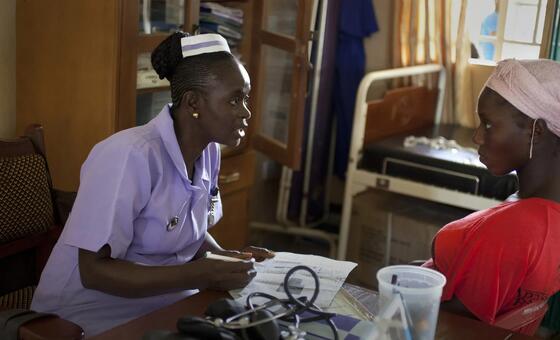
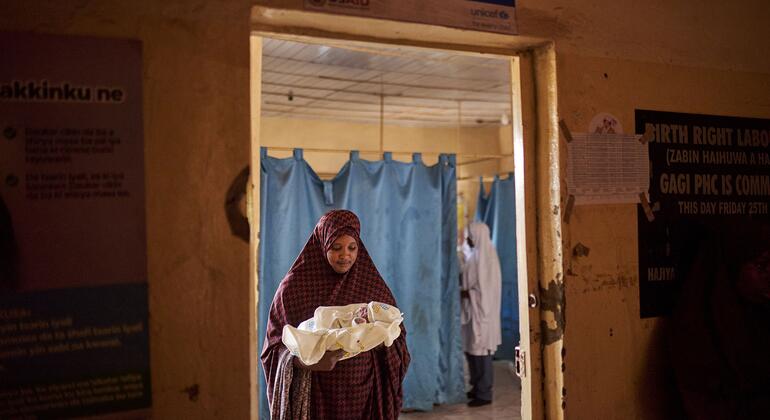
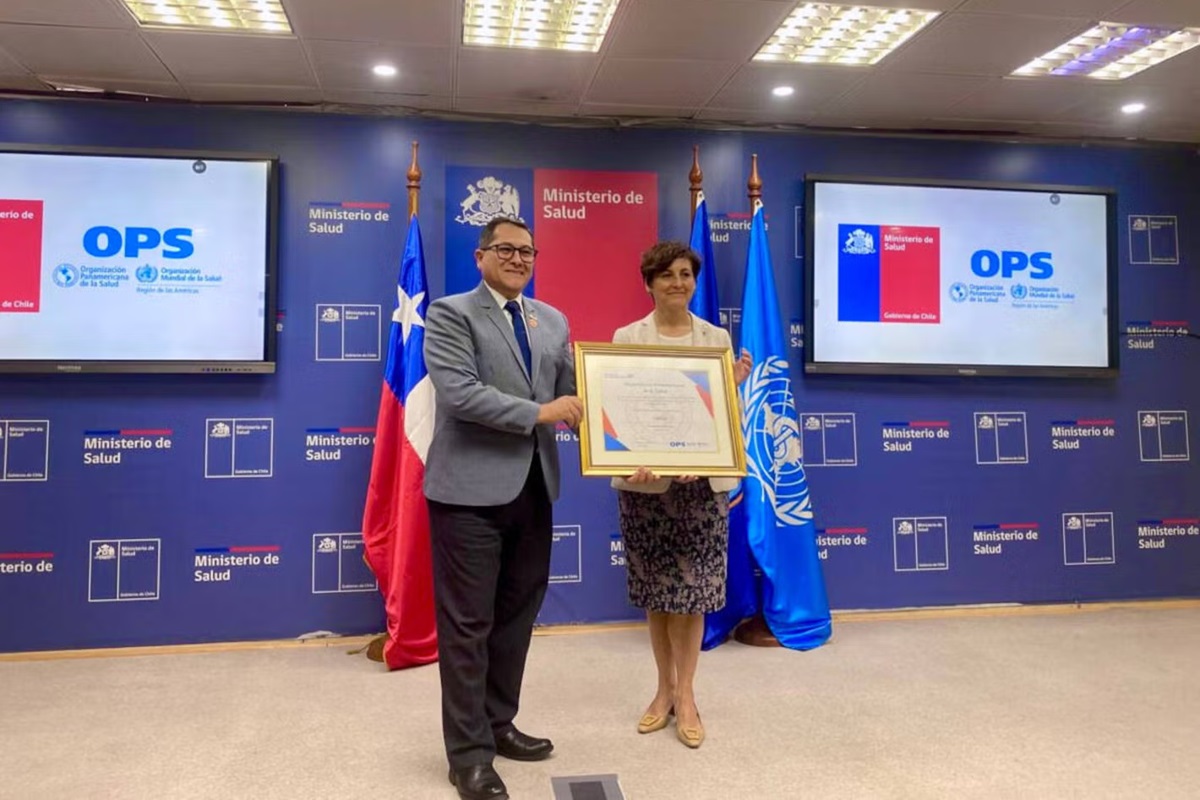
In a landmark achievement for Caribbean public health, the World Health Organization (WHO) congratulates The Bahamas for becoming the latest Caribbean nation to be certified as having eliminated the mother-to-child transmission of HIV.“I congratulate The Bahamas on this outstanding achievement, which solidifies years of political commitment, and the dedication of health workers,” said Dr Tedros Adhanom Ghebreyesus, WHO Director-General. “By ensuring that children are born free of HIV, we are securing a healthier, brighter future for the next generation.”“This achievement reflects sustained political commitment and strong national leadership, alongside the dedication and compassion of the health workforce,” said Dr Jarbas Barbosa, Director of the Pan American Health Organization (PAHO) and WHO Regional Director for the Americas. “As we look ahead, this milestone is not only a moment of national pride but also an opportunity to build on this success, advancing efforts to end HIV and other communicable diseases as public health threats across the Caribbean and the Americas.”Foundations of successThe Bahamas achieved this milestone by pioneering a comprehensive and inclusive health-care model. Key to this success has been the provision of universal antenatal care to all pregnant women, regardless of nationality or legal status, across both public and private facilities. This approach is supported by a strong, integrated laboratory network and a rigorous testing protocol that screens women at their first antenatal appointment and again in the third trimester.Elimination of mother-to-child transmission (EMTCT) interventions in The Bahamas are fully integrated into antenatal care standards and norms and implemented under the Maternal and Child Health (MCH) programme. MCH coordinates with the National Infectious Disease Programme, which oversees the prevention and treatment of HIV and other sexually transmitted infections (STI). This includes the introduction of pre-exposure prophylaxis (PrEP) for HIV prevention, also offered to pregnant women. To ensure continuity of care, the health system maintains adequate monitoring for HIV-positive mothers and exposed infants, provides multi-month dispensing of antiretroviral medicines, and offers STI treatment and family planning services free of charge.“For years, The Bahamas have been working very hard to address the situation of HIV/AIDS,” said Dr Michael Darville, Minister of Health and Wellness of The Bahamas. “A lot of people have been involved in us achieving this great milestone – our nurses in our public health system, our nurses and doctors in our tertiary health-care system and, by extension, all of the clinics spread throughout our archipelago.”From Cuba, the first country in the world to be certified, and Brazil – certified last year, The Bahamas now joins a prestigious group of 12 countries and territories in the Region of the Americas at the forefront of the EMTCT movement. The Bahamas will continue efforts to sustain these standards through integrated primary care and continuous surveillance.The road to eliminationTo receive WHO certification, countries must prove they have sustained the following:reducing the mother-to-child transmission rate of HIV to less than 2%;achieving fewer than 5 new pediatric HIV infections per 1000 live births; andmaintaining 95% or higher coverage for antenatal care, HIV testing, and treatment for pregnant women.“Latin America and the Caribbean has long been a beacon of progress in this global effort. From Cuba – the first country in the world to be certified – to Brazil’s certification last year, and now to The Bahamas, the region continues to lead with ambition and determination. Today, more than half of all countries and territories that have achieved elimination are from this region. This is a legacy of leadership that inspires the world,” said Anurita Bains, Global Associate Director for HIV/AIDS at UNICEF.“The Bahamas are showing that eliminating mother-to-child transmission HIV and other sexually transmitted infections is possible,” said Winnie Byanyima, UNAIDS Executive Director. “This achievement reflects political will for steady investment in primary health care and the work of health teams and people living with and most affected by HIV. When women can test early in pregnancy, start treatment quickly, and stay in care, every child has a better chance of being born free of HIV and other STIs.”The Bahamas’ success is part of the broader EMTCT Plus Initiative, which aims to eliminate mother-to-child transmission of HIV, syphilis, hepatitis B, and congenital Chagas disease. Implemented in collaboration with UNICEF and UNAIDS, the initiative is embedded within PAHO’s Elimination Initiative, a regional effort to eliminate more than 30 communicable diseases and related conditions in the Americas by 2030.

Read full article →
News Cover
WHO مار 17, 2026

يتباطأ التقدم في الحد من وفيات الأطفال حيث يموت 4.9 مليون طفل قبل سن الخامسة

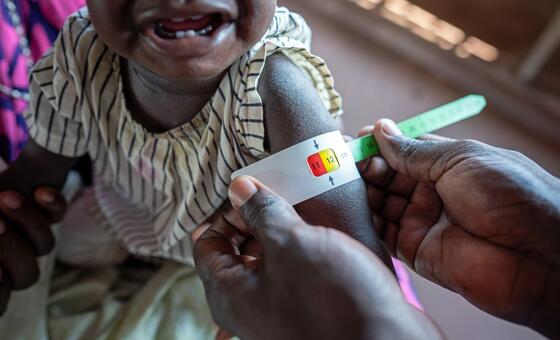
توفي ما يقدر بنحو 4.9 مليون طفل قبل بلوغهم سن الخامسة في عام 2024، بما في ذلك 2.3 مليون طفل حديث الولادة، وفقًا للتقديرات الجديدة الصادرة اليوم. ويمكن الوقاية من معظم هذه الوفيات من خلال تدخلات مثبتة ومنخفضة التكلفة والحصول على رعاية صحية جيدة. ووفقا للتقرير – المستويات والاتجاهات في وفيات الأطفال – انخفضت وفيات الأطفال دون سن الخامسة على مستوى العالم بأكثر من النصف منذ عام 2000. ومع ذلك، منذ عام 2015، تباطأت وتيرة انخفاض وفيات الأطفال بأكثر من 60 في المائة. ويقدم تقرير هذا العام الصورة الأكثر وضوحا وتفصيلا حتى الآن عن عدد الأطفال والمراهقين والشباب الذين يموتون، وأماكن موتهم، و- لأول مرة – يدمج بشكل كامل التقديرات المتعلقة بأسباب الوفاة.* ولأول مرة، يقدر التقرير الوفيات الناجمة مباشرة عن سوء التغذية الحاد الوخيم، حيث وجد أن أكثر من 100000 طفل تتراوح أعمارهم بين 1-59 شهرًا - يعانون من سوء التغذية الحاد الشديد. أو 5 في المائة – توفي بسببه في عام 2024. وتكون الحصيلة أكبر بكثير عندما نأخذ في الاعتبار التأثيرات غير المباشرة، حيث يضعف سوء التغذية مناعة الأطفال ويزيد من خطر الوفاة بسبب أمراض الطفولة الشائعة. كما تفشل بيانات الوفيات في كثير من الأحيان في تحديد سوء التغذية الحاد كسبب أساسي للوفاة، مما يشير إلى أنه من المرجح أن يتم التقليل من العبء إلى حد كبير. وتشمل بعض البلدان التي سجلت أعلى أعداد الوفيات المباشرة باكستان والصومال والسودان. وتمثل الوفيات بين الأطفال حديثي الولادة ما يقرب من نصف الوفيات بين الأطفال دون سن الخامسة، مما يعكس تباطؤ التقدم في منع الوفيات في وقت قريب من الولادة. وكانت الأسباب الرئيسية بين الأطفال حديثي الولادة هي المضاعفات الناجمة عن الولادة المبكرة (36 في المائة) والمضاعفات أثناء المخاض والولادة (21 في المائة). وكانت العدوى، بما في ذلك الإنتان الوليدي والتشوهات الخلقية، من الأسباب المهمة أيضًا. وبعد الشهر الأول، كانت الأمراض المعدية مثل الملاريا والإسهال والالتهاب الرئوي من الأسباب الرئيسية للوفاة. وظلت الملاريا القاتل الأكبر في هذه الفئة العمرية (17 في المائة) - مع حدوث معظم الوفيات في المناطق الموبوءة في أفريقيا جنوب الصحراء الكبرى. وبعد الانخفاضات الحادة بين عامي 2000 و2015، تباطأ التقدم نحو الحد من الوفيات الناجمة عن الملاريا في السنوات الأخيرة. لا تزال الوفيات متركزة في عدد قليل من البلدان الموبوءة – مثل تشاد وجمهورية الكونغو الديمقراطية والنيجر ونيجيريا – حيث لا تزال الصراعات، والصدمات المناخية، والبعوض الغازي، ومقاومة الأدوية، وغيرها من التهديدات البيولوجية تؤثر على إمكانية الوصول إلى الوقاية والعلاج. ولا تزال وفيات الأطفال تتركز بشكل كبير في عدد صغير من المناطق. وفي عام 2024، كانت منطقة أفريقيا جنوب الصحراء الكبرى مسؤولة عن 58 في المائة من جميع وفيات الأطفال دون سن الخامسة. وفي المنطقة، كانت الأمراض المعدية الرئيسية مسؤولة عن 54 في المائة من جميع وفيات الأطفال دون سن الخامسة. وفي أوروبا وأمريكا الشمالية تنخفض هذه النسبة إلى 9 في المائة، وفي أستراليا ونيوزيلندا تنخفض أكثر إلى 6 في المائة. وتعكس هذه التفاوتات الصارخة عدم المساواة في الوصول إلى التدخلات التي أثبتت جدواها والمنقذة للحياة. بما في ذلك الولادة المبكرة، والاختناق/الصدمة عند الولادة، والشذوذات الخلقية، والتهابات الأطفال حديثي الولادة. وتؤكد هذه الظروف التي يمكن الوقاية منها إلى حد كبير الحاجة الملحة إلى الاستثمار في رعاية ما قبل الولادة الجيدة، وتوفير العاملين المهرة في مجال الرعاية الصحية عند الولادة، ورعاية الأطفال حديثي الولادة الصغار والمرضى، وتوفير الخدمات الأساسية لحديثي الولادة. ولا تزال البلدان الهشة والمتأثرة بالصراعات تتحمل حصة غير متناسبة من العبء. الأطفال الذين يولدون في هذه البيئات هم أكثر عرضة للوفاة قبل بلوغهم سن الخامسة بثلاث مرات تقريبًا مقارنة بأولئك في أماكن أخرى. ويخلص التقرير أيضًا إلى أن ما يقدر بنحو 2.1 مليون طفل ومراهق وشاب تتراوح أعمارهم بين 5 و 24 عامًا توفوا في عام 2024. وتظل الأمراض المعدية والإصابات من الأسباب الرئيسية بين الأطفال الأصغر سنا، في حين تتغير المخاطر في مرحلة المراهقة: إيذاء النفس هو السبب الرئيسي للوفاة بين الفتيات الذين تتراوح أعمارهم بين 15 و 19 عاما، والإصابات الناجمة عن حوادث المرور بين الأولاد. إن المشهد العالمي لتمويل التنمية يضع برامج صحة الأم والوليد والطفل البالغة الأهمية تحت ضغط متزايد. إن المسوحات، وأنظمة المعلومات الصحية، والوظائف الأساسية التي تقوم عليها الرعاية الفعالة تحتاج جميعها إلى تمويل مستدام، ليس فقط لحماية التقدم المحرز، بل وأيضاً لتسريعه. وتشير الأدلة إلى أن الاستثمارات في صحة الطفل تظل من بين تدابير التنمية الأكثر فعالية من حيث التكلفة. تدخلات مجربة ومنخفضة التكلفة - مثل اللقاحات، وعلاج سوء التغذية الحاد الوخيم، والرعاية الماهرة عند الولادة – وndash; تسليم بعض

Read full article →
News Cover
WHO مار 11, 2026

تقول منظمة الصحة العالمية إن الصراع يعمق الأزمة الصحية في جميع أنحاء الشرق الأوسط

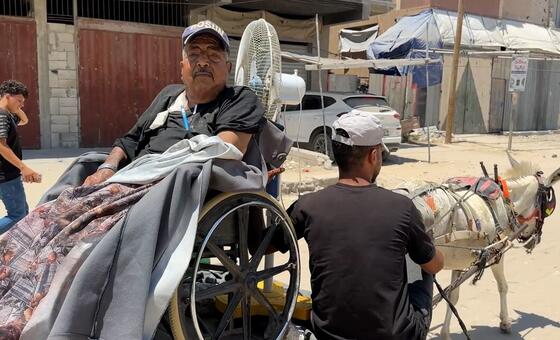
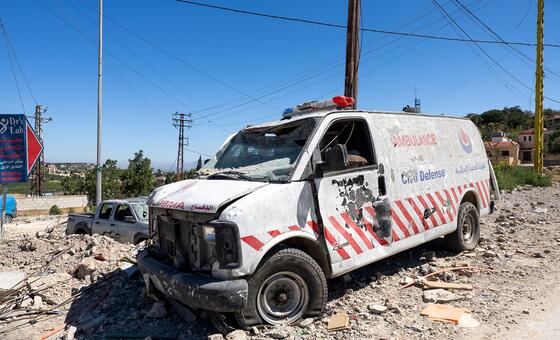
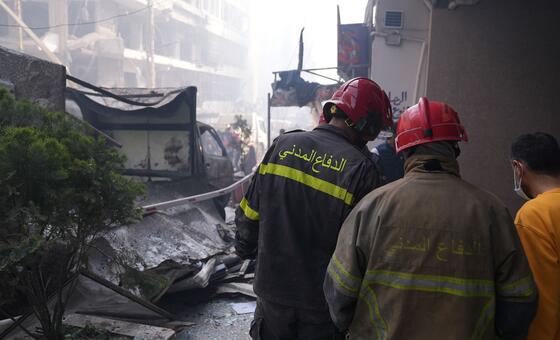
وبعد مرور أكثر من عشرة أيام على التصعيد الأخير للصراع في الشرق الأوسط، تتعرض النظم الصحية في جميع أنحاء المنطقة لضغوط مع ارتفاع الإصابات والنزوح، واستمرار الهجمات على مرافق الرعاية الصحية، وزيادة المخاطر على الصحة العامة. وأبلغت السلطات الصحية الوطنية في إيران عن أكثر من 1300 حالة وفاة و9000 إصابة، وفي لبنان أبلغت عن ما لا يقل عن 570 حالة وفاة وأكثر من 1400 إصابة. وفي إسرائيل، أبلغت السلطات عن 15 حالة وفاة و2142 إصابة. وفي الوقت نفسه، يؤثر الصراع على الخدمات ذاتها التي تهدف إلى إنقاذ الأرواح. وفي إيران، تحققت منظمة الصحة العالمية من 18 هجوماً على مرافق الرعاية الصحية منذ 28 شباط/فبراير، مما أدى إلى وفاة 8 من العاملين في مجال الصحة. وخلال الفترة نفسها في لبنان، أدى 25 هجومًا على مرافق الرعاية الصحية إلى مقتل 16 شخصًا وإصابة 29 آخرين. ولا تؤدي هذه الهجمات إلى خسارة الأرواح فحسب، بل تحرم المجتمعات من الرعاية عندما تكون في أمس الحاجة إليها. يجب دائمًا حماية العاملين الصحيين والمرضى والمرافق الصحية بموجب القانون الإنساني الدولي. وبعيدًا عن التأثير المباشر، يخلق الصراع مخاطر أوسع نطاقًا على الصحة العامة. وتشير التقديرات الحالية إلى أن أكثر من 100 ألف شخص في إيران قد انتقلوا إلى مناطق أخرى من البلاد بسبب انعدام الأمن، كما نزح ما يصل إلى 700 ألف شخص داخلياً في لبنان، حيث يعيش العديد منهم في ملاجئ جماعية مزدحمة في ظل ظروف صحية عامة متدهورة، مع محدودية الوصول إلى المياه الآمنة والصرف الصحي والنظافة. وتزيد هذه الظروف من خطر الإصابة بالتهابات الجهاز التنفسي وأمراض الإسهال وغيرها من الأمراض المعدية، وخاصة بالنسبة للفئات السكانية الأكثر ضعفا، مثل النساء والأطفال. كما تشكل المخاطر البيئية مصدر قلق متزايد. وفي إيران، أدت حرائق النفط والدخان الناتج عن البنية التحتية المتضررة إلى تعريض المجتمعات المجاورة للملوثات السامة التي من المحتمل أن تسبب مشاكل في التنفس، وتهيج العين والجلد، وتلوث مصادر المياه والغذاء. وأصبح الوصول إلى الخدمات الصحية مقيدا بشكل متزايد في العديد من البلدان. وفي لبنان، تم إغلاق 49 مركزًا للرعاية الصحية الأولية وخمسة مستشفيات بعد أوامر الإخلاء التي أصدرها الجيش الإسرائيلي، مما أدى إلى تقليل توافر الخدمات الأساسية مع ارتفاع الاحتياجات الطبية. وفي الأراضي الفلسطينية المحتلة، تؤدي القيود المتزايدة على الحركة وإغلاق نقاط التفتيش إلى تأخير سيارات الإسعاف والعيادات المتنقلة. الوصول إلى عدة محافظات في الضفة الغربية. في غزة، لا تزال عمليات الإجلاء الطبي معلقة منذ 28 فبراير/شباط، بينما تستمر المستشفيات في العمل تحت ضغط وسط النقص المستمر في الأدوية والإمدادات الطبية والوقود، الذي يتم تقنينه لإعطاء الأولوية للخدمات الصحية الأساسية مثل رعاية الطوارئ والصدمات، وخدمات الأمهات والأطفال حديثي الولادة، وإدارة الأمراض المعدية. وأدت القيود المؤقتة على المجال الجوي إلى تعطيل حركة الإمدادات الطبية من المركز اللوجستي العالمي لمنظمة الصحة العالمية في دبي. وقد تأثر أكثر من 50 طلبًا لإمدادات الطوارئ، والتي كان من المفترض أن يستفيد منها أكثر من 1.5 مليون شخص في 25 دولة، مما أدى إلى تراكم كبير. وتشمل الشحنات ذات الأولوية الحالية الإمدادات المقرر إرسالها إلى العريش بمصر لدعم الاستجابة في غزة، بالإضافة إلى لبنان وأفغانستان. ومن المتوقع أن تغادر الشحنة الأولى، التي تحتوي على إمدادات الاستجابة للكوليرا في موزمبيق، من المركز في الأسبوع المقبل. ويأتي هذا التصعيد في وقت كانت فيه الاحتياجات الإنسانية في إقليم شرق المتوسط ​​من بين الأعلى بالفعل في العالم. في جميع أنحاء المنطقة، يحتاج 115 مليون شخص إلى المساعدة الإنسانية – ما يقرب من نصف الأشخاص المحتاجين على مستوى العالم - في حين لا تزال نداءات الطوارئ الصحية الإنسانية تعاني من نقص التمويل بنسبة 70%. وبدون حماية الرعاية الصحية، ووصول المساعدات الإنسانية بشكل مستدام ودعم مالي وتشغيلي أقوى للاستجابة الصحية الإنسانية، سيستمر الضغط على السكان الضعفاء والأنظمة الصحية الهشة بالفعل في النمو. وتدعو منظمة الصحة العالمية جميع الأطراف إلى حماية المدنيين والرعاية الصحية، وضمان وصول المساعدات الإنسانية دون عوائق وبشكل مستدام، والسعي إلى تهدئة النزاع حتى تتمكن المجتمعات من البدء في التعافي والتحرك نحو السلام.

Read full article →
News Cover
WHO فبر 23, 2026

زادت الهجمات على مرافق الرعاية الصحية في أوكرانيا بنسبة 20% في عام 2025

مع دخول أوكرانيا عامها الخامس من حرب واسعة النطاق، عانى شعبها من أكبر عدد من الهجمات على الرعاية الصحية الخاصة بهم في عام 2025 - منذ بداية الحرب واسعة النطاق في 24 فبراير 2022، وثقت منظمة الصحة العالمية ما لا يقل عن 2881 هجومًا على مرافق الرعاية الصحية في أوكرانيا، مما أثر على العاملين الصحيين والمرافق وسيارات الإسعاف والمستودعات الطبية. وتتعرض الخدمات الصحية لضغوط شديدة على جبهتين: الهجمات المباشرة على مرافق الرعاية الصحية، والآثار المتتالية للضربات على البنية التحتية المدنية، بما في ذلك محطات الطاقة الحرارية التي تدعم شبكة الكهرباء في البلاد. وقد خلفت هذه الأمور فجوات عميقة في صحة الناس. وفقًا لتقييم منظمة الصحة العالمية الذي تم إجراؤه في ديسمبر 2025، أفاد 59% من الأشخاص في مناطق الخطوط الأمامية أن حالتهم الصحية سيئة أو سيئة للغاية، مقارنة بـ 47% في المناطق خارج خطوط المواجهة. "تعمل منظمة الصحة العالمية جنبًا إلى جنب مع العاملين الصحيين المتفانين في أوكرانيا لتزويد المستشفيات بوسائل البقاء دافئًا، والأدوية التي يعتمد عليها الناس أكثر من غيرها. وفي نهاية المطاف، أفضل دواء هو السلام." وقال الدكتور هانز هنري ب. كلوغ، المدير الإقليمي لمنظمة الصحة العالمية في أوروبا: "إن احتياجات الصحة العقلية مذهلة: فقد عانى 72% من الأشخاص الذين شملهم الاستطلاع من القلق أو الاكتئاب في العام الماضي، ومع ذلك فإن واحداً فقط من كل خمسة أشخاص طلب المساعدة. تتزايد أمراض القلب والأوعية الدموية، حيث يعاني واحد من كل أربعة أوكرانيين من ارتفاع خطير في ضغط الدم. وأفاد 8 من كل 10 أشخاص أنهم لا يستطيعون الحصول على الأدوية التي يحتاجون إليها. هذه ليست مجردة – إنه مريض قلب لا يستطيع العثور على دواء لضغط الدم، وشخص مبتور الأطراف ينتظر شهورًا للحصول على طرف صناعي، ومراهق يخشى مغادرة المنزل. ويحتاج النظام الصحي في أوكرانيا إلى دعمنا المستمر. الهجمات على الرعاية الصحية في عام اتسم بالأمل في محادثات السلام، كان الواقع على الأرض يروي قصة مختلفة. اشتدت الهجمات على مرافق الرعاية الصحية، وبلغت ذروتها في الربع الثالث من عام 2025، عندما أودى 184 هجومًا بحياة 12 شخصًا وإصابة 110 من العاملين في مجال الصحة والمرضى. وفي الوقت نفسه، تضاعفت الهجمات على المستودعات الطبية ثلاث مرات في عام 2025 مقارنة بالعام السابق، مما أدى إلى تعطيل الخدمات اللوجستية وسلاسل التوريد التي تعتبر بالغة الأهمية لتقديم الرعاية في جميع أنحاء البلاد. وعلى مدى السنوات الأربع الماضية، قُتل 233 من العاملين في مجال الصحة والمرضى وأصيب 930 آخرين في الهجمات على مرافق الرعاية الصحية. وتشكل مثل هذه الهجمات انتهاكات للقانون الإنساني الدولي. أثر الدمار على الخدمات الصحية الأساسية كان هذا الشتاء هو الأقسى منذ بدء الحرب، حيث أدت الضربات المتعددة على البنية التحتية للطاقة إلى ترك الملايين بدون تدفئة أو كهرباء أو ماء. وقد تضررت أو دمرت العديد من محطات الحرارة والكهرباء المجمعة في أوكرانيا. في كييف وحدها، ترك هجوم يناير/كانون الثاني 2026 ما يقرب من 6000 مبنى بدون تدفئة في ظروف تحت الصفر، مما دفع ما يقدر بنحو 600 ألف ساكن إلى الفرار من العاصمة. وقال الدكتور يارنو هابيشت، ممثل منظمة الصحة العالمية في أوكرانيا: "إن الهجوم يبدأ كل شيء من جديد وراء كل انهيار من هذه الأنظمة، هناك الأسر والمقيمون في مجال الرعاية الصحية الذين يجب عليهم الاستمرار في إنقاذ الأرواح بينما منازلهم بدون تدفئة أو ماء أو كهرباء. إن الإرهاق بعد أربع سنوات من الحرب هائل - ولم يكن الطلب على الرعاية الصحية أعلى من أي وقت مضى". تخرج الأمهات الجدد من المستشفى بعد الولادة، والمرضى الذين يتعافون من إصابات أو أزمات قلبية، وأولئك الذين ينتظرون أو يتعافون من عمليات جراحية حرجة للسرطان يعودون إلى منازلهم إلى شقق بدون تدفئة أو كهرباء أو مياه جارية. الرعاية التي تبدأ في مستشفى عامل يتم تقويضها عندما يتعافى المرضى في منازل مظلمة ومتجمدة، مما يحول التقدم الطبي إلى صراع يومي من أجل البقاء. تزايد الاحتياجات الصحية أدى ارتفاع إصابات الصدمات المرتبطة بالحرب إلى زيادة الطلب على الزيادة.

Read full article →
News Cover
WHO فبر 05, 2026

ما زال أكثر من أربعة ملايين فتاة معرضات لخطر تشويه الأعضاء التناسلية الأنثوية: قادة الأمم المتحدة يدعون إلى الالتزام والاستثمار المستمرين لإنهاء تشويه الأعضاء التناسلية الأنثوية

بيان مشترك للمدير التنفيذي لصندوق الأمم المتحدة للسكان، والمدير التنفيذي لليونيسف، ومفوض الأمم المتحدة السامي لحقوق الإنسان، والمدير التنفيذي لهيئة الأمم المتحدة للمرأة، والمدير العام لمنظمة الصحة العالمية، والمدير العام لليونسكو بمناسبة اليوم الدولي لعدم التسامح مطلقًا مع تشويه الأعضاء التناسلية للإناث في عام 2026 وحده، يقدر عدد الفتيات بنحو 4.5 مليون فتاة - العديد منهم دون سن الخامسة – معرضات لخطر الخضوع لتشويه الأعضاء التناسلية الأنثوية (FGM). حاليًا، تعيش أكثر من 230 مليون فتاة وامرأة مع عواقبها مدى الحياة. واليوم، في اليوم الدولي لعدم التسامح مطلقًا مع تشويه الأعضاء التناسلية للإناث، نؤكد من جديد التزامنا بإنهاء تشويه الأعضاء التناسلية الأنثوية لكل فتاة وكل امرأة معرضة للخطر، ومواصلة العمل لضمان حصول أولئك الذين يتعرضون لهذه الممارسة الضارة على خدمات جيدة ومناسبة. إن تشويه الأعضاء التناسلية للإناث هو انتهاك لحقوق الإنسان ولا يمكن تبريره لأي سبب من الأسباب. إنه يعرض الفتيات للخطر. وصحة المرأة الجسدية والعقلية، ويمكن أن يؤدي إلى مضاعفات خطيرة تدوم مدى الحياة، حيث تقدر تكاليف العلاج بحوالي 1.4 مليار دولار أمريكي كل عام. وقد بدأت التدخلات الرامية إلى إنهاء تشويه الأعضاء التناسلية للإناث على مدى العقود الثلاثة الماضية تؤتي ثمارها، حيث أعرب ما يقرب من ثلثي السكان في البلدان التي تنتشر فيها هذه الممارسة عن دعمهم للقضاء عليها. بعد عقود من التغيير البطيء، يتسارع التقدم في مكافحة تشويه الأعضاء التناسلية للإناث: فقد تم تحقيق نصف المكاسب منذ عام 1990 في العقد الماضي مما أدى إلى انخفاض عدد الفتيات اللاتي تعرضن لتشويه الأعضاء التناسلية الأنثوية من واحدة من كل اثنتين إلى واحدة من كل ثلاث. نحن بحاجة إلى البناء على هذا الزخم وتسريع التقدم لتحقيق هدف التنمية المستدامة المتمثل في إنهاء تشويه الأعضاء التناسلية للإناث بحلول عام 2030. ونحن نعرف ما الذي ينجح. إن التثقيف الصحي، وإشراك الزعماء الدينيين والمجتمعيين، والآباء والعاملين في مجال الصحة، واستخدام وسائل الإعلام التقليدية والاجتماعية هي استراتيجيات فعالة لإنهاء هذه الممارسة. يجب علينا أن نستثمر في الحركات التي يقودها المجتمع – بما في ذلك الشبكات الشعبية والشبابية – وتعزيز التعليم من خلال النهج الرسمي والمجتمعي. نحن بحاجة إلى تضخيم رسائل الوقاية من خلال إشراك قادة الرأي الموثوق بهم، بما في ذلك العاملين في مجال الصحة. ويتعين علينا أن ندعم الناجين من خلال ضمان حصولهم على رعاية صحية شاملة ومصممة حسب السياق، والدعم النفسي والاجتماعي، والمساعدة القانونية. وكل دولار يُستثمر في إنهاء تشويه الأعضاء التناسلية للإناث يعود بعشرة أضعاف. يمكن لاستثمار 2.8 مليار دولار أمريكي أن يمنع 20 مليون حالة ويدر عوائد استثمارية بقيمة 28 مليار دولار أمريكي. ومع اقترابنا من عام 2030، فإن المكاسب التي تحققت على مدى عقود معرضة للخطر مع تضاؤل ​​الاستثمار والدعم العالميين. إن تخفيض التمويل وتراجع الاستثمار الدولي في برامج الصحة والتعليم وحماية الطفل يعمل بالفعل على تقييد الجهود الرامية إلى منع تشويه الأعضاء التناسلية الأنثوية ودعم الناجيات. علاوة على ذلك، فإن الرفض المنهجي المتزايد للجهود الرامية إلى إنهاء تشويه الأعضاء التناسلية للإناث، والذي تفاقم بسبب الحجج الخطيرة التي تقول إن هذا الأمر مقبول عندما يقوم به الأطباء أو العاملون في مجال الصحة، يضيف المزيد من العقبات أمام جهود القضاء على هذه الممارسة. وبدون تمويل كاف ويمكن التنبؤ به، فإن برامج التوعية المجتمعية معرضة لخطر تقليص حجمها، وإضعاف الخدمات في الخطوط الأمامية، وتراجع التقدم - تعريض ملايين الفتيات للخطر في لحظة حرجة في السعي لتحقيق هدف عام 2030. واليوم نؤكد من جديد التزامنا وجهودنا مع الشركاء المحليين والعالميين من القطاعين العام والخاص، بما في ذلك الناجيات، لإنهاء تشويه الأعضاء التناسلية للإناث مرة واحدة وإلى الأبد.

Read full article →
News Cover
WHO ينا 23, 2026

Countries progress negotiations in support of WHO Pandemic Agreement

The World Health Organization (WHO) Member States this week advanced their negotiations on the Pathogen Access and Benefit‑Sharing (PABS) system in a resumed session of the Intergovernmental Working Group (IGWG) on the WHO Pandemic Agreement. The PABS system is a core element of the agreement adopted by the World Health Assembly (WHA) in May 2025.During the session held on 20–22 January 2026, Member States continued text‑based negotiations on outstanding issues in the draft annex and exchanged views aimed at narrowing differences and identifying areas of convergence.“I am encouraged by the progress we have made in several areas, with signs of emerging consensus for some parts of the Pathogen Access and Benefit‑Sharing system,” said IGWG Bureau co‑chair Ambassador Tovar da Silva Nunes, of Brazil. “As we look ahead to the fifth session, the focus will be on the outstanding, complex issues. The resumed session has helped us gain a clearer picture of where we stand.” Established by the WHA, the IGWG is tasked, as a priority, with drafting and negotiating the PABS system, which is intended to enable safe, transparent and accountable sharing of pathogens with pandemic potential and their genetic sequence information, alongside the fair and equitable sharing of benefits arising from their use, including vaccines, therapeutics and diagnostics.The resumed session was held following a request by Member States to extend the fourth meeting of the IGWG, which convened in December 2025.“Member States have engaged in constructive discussions this week," said IGWG Bureau co-chair Mr Matthew Harpur, of the United Kingdom. "As we make progress towards the May deadline, I am encouraged by their willingness to work together and bridge differences to deliver an effective Pathogen Access and Benefit‑Sharing system."Further meetings of the IGWG are scheduled in the coming months as Member States continue their negotiations.“A strong Pathogen Access and Benefit‑Sharing system will be a cornerstone of a safer and more equitable world,” said Dr Tedros Adhanom Ghebreyesus, WHO Director-General. “I thank countries for their commitment to multilateral solutions.”The outcome of IGWG’s work will be submitted to the Seventy‑ninth World Health Assembly in May 2026 for its consideration. 

Read full article →
News Cover
WHO ينا 21, 2026

WHO renews commitment to a leprosy-free world, spotlighting partnership and progress ahead of World Leprosy Day

Access to treatment for leprosy is essential to global efforts to eliminate leprosy, says the World Health Organization (WHO) ahead of World Leprosy Day, to be observed on 25 January.Leprosy is an infectious disease caused by a type of bacteria, Mycobacterium leprae, and is one of the oldest diseases known to humanity. The disease predominantly affects the skin and peripheral nerves. Left untreated, the disease may cause progressive and permanent disabilities and causes stigma and social isolation. However, the disease can be cured with multidrug therapy (MDT).Efforts to eliminate leprosy have been leading to reductions in the number of new cases in many areas; of the 188 countries, areas or territories that submitted data in 2024, 55 reported zero cases. But still 172 717 new cases were detected worldwide and reported to WHO in the same year.Many partners, including pharmaceutical companies such as Novartis, have been strong supporters of efforts to eliminate leprosy. WHO has collaborated with Novartis since 2000 to provide MDT and clofazimine, free of cost, to all leprosy patients worldwide. This partnership remains one of the most sustained pharmaceutical donation programmes in global health.Marking 25 years of partnership, WHO and Novartis have extended a Memorandum of Understanding (MoU) for an additional 5 years (2026−2030). The extension makes provision for continued supply of MDT and clofazimine, and also includes funding for procurement and distribution of single dose rifampicin (SDR) for post-exposure prophylaxis (PEP).“The unwavering commitment of partners like Novartis over the past quarter-century has been foundational to the progress made against leprosy,” said Dr Jeremy Farrar, WHO Assistant Director-General for Health Promotion, Disease Prevention and Care. “Their steadfast support in ensuring free access to treatment has helped transform millions of lives and moved us closer to a world free from this ancient disease. This enduring collaboration exemplifies the power of global solidarity in health – a reminder that, together, we can overcome even the oldest and most entrenched health challenges when science, equity, and partnership align.”Availability of free MDT has made it possible to cure the disease, prevent disabilities, mitigate stigma, and has enabled affected individuals to continue working and leading normal lives. Additionally, clofazimine has ensured the treatment of lepra reactions, which are characterized by sudden, severe inflammatory episodes, leading to disabilities, if left untreated.“Leprosy is one of the oldest infectious diseases known to humanity and combatting it has been part of our company’s history since discovering the first effective cure,” said Dr Lutz Hegemann, President of Global Health at Novartis. “Over the last 25 years, we have reached millions of patients together with WHO, and we are committed to going further to pursue our vision of a world free of leprosy.”While significant progress has been made, sustaining and building on this momentum requires political commitment, community engagement and continued collaboration and partnership.The theme for this year’s World Leprosy Day is “Leprosy is curable, the real challenge is stigma”.This year also marks the 25th anniversary of Mr Yohei Sasakawa’s work as the WHO Goodwill Ambassador for Leprosy Elimination. He said, “One of the most stubborn challenges that I encounter on my travels is the social stigma attached to leprosy, which can be more problematic than the disease itself, and which can persist beyond the end of treatment. This is particularly true for people who have been left with residual disabilities as a result of leprosy. They may face various forms of discrimination, including forced divorce, lost educational opportunities and unfair dismissal. Even after being cured, they endure the unending pain of social exclusion.”As leprosy is one of the target diseases under the broader umbrella of Neglected Tropical Diseases (NTDs), this work also supports the unified global effort towards a world free of NTDs. Learn more about the collective action and join our campaign on World NTD Day 2026 on 30 January. Notes for editorsThe NTD Roadmap 2021-2030 aims at elimination of leprosy (interruption of transmission). The Global Leprosy Strategy 2021–2030 underpinning the Roadmap, shifts the paradigm beyond the achievement of ‘elimination of leprosy as a public health problem’ toward interruption of transmission and elimination of leprosy disease. Contact screening along with scale-up of preventive chemotherapy and mitigation of stigma and discrimination constitute key pillars of this strategy. Beyond working to ensure that every person affected by leprosy is detected early and treated promptly, WHO leads efforts to combat the discrimination that persons affected by leprosy too often face.  

Read full article →
News Cover
WHO ينا 12, 2026

Sudan: 1000 days of war deepen the world’s worst health and humanitarian crisis

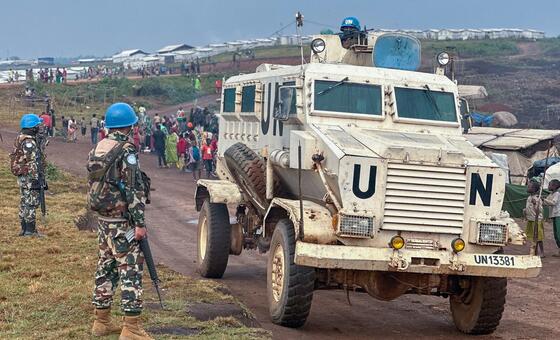
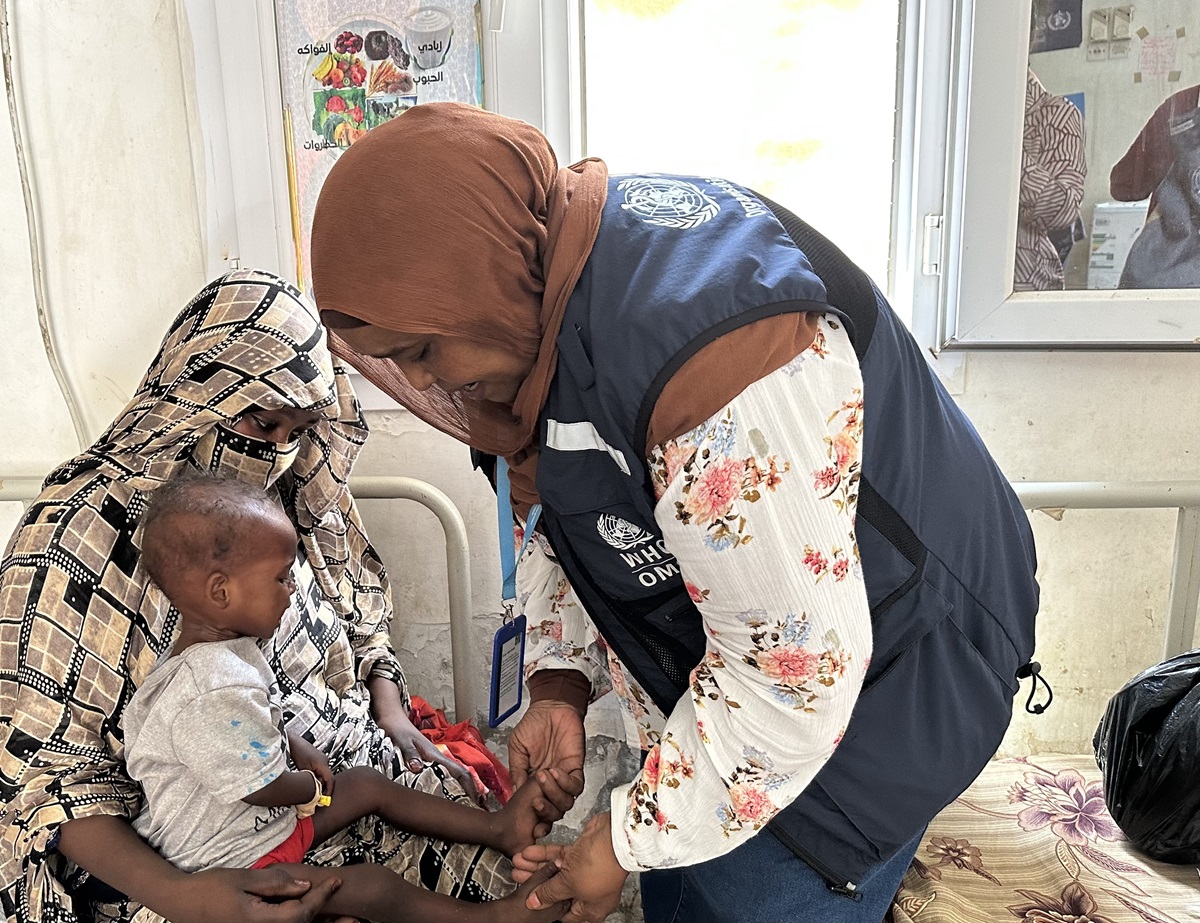
Today, the conflict in Sudan reaches its 1000th day, with over 20 million people requiring health assistance and 21 million desperately needing food.Nearly three years of continuous violence, severe access constraints, and reduced funding have turned Sudan into the worst humanitarian crisis globally. An estimated 33.7 million people will need humanitarian aid this year.The health system has been severely damaged by ongoing fighting, increasingly deadly attacks on health care, mass displacement, lack of essential medical supplies, and shortages of health personnel and funding. Despite sustained efforts by WHO and partners to restore and revive health services across the country, more than one third of health facilities (37%) remain non-functional, depriving millions of people of essential and lifesaving health services.Since the start of the conflict in April 2023, WHO has verified 201 attacks on health care, resulting in 1858 deaths and 490 injuries. These attacks, which violate international humanitarian law, undermine access to lifesaving care and put health care workers, patients and caregivers at grave risk.“One thousand days of conflict in Sudan have driven the health system to the brink of collapse. Under the strain of disease, hunger and a lack of access to basic services, people face a devastating situation,” said WHO Representative in Sudan, Dr Shible Sahbani. “WHO is doing what we can, where we can, and we know we are saving lives and rebuilding the health system. Despite the challenges, we are also working on recovery of the health system.”The level of displacement is unprecedented. An estimated 13.6 million people are currently displaced, making Sudan the largest displacement crisis in the world. Fueled by poor living conditions, overcrowding in displacement sites, disrupted health and water, sanitation and hygiene services, and a breakdown of routine immunization, disease outbreaks are spreading, compounding the crisis. WHO is currently supporting the response to outbreaks of cholera, dengue, malaria, and measles, with cholera being reported from all 18 states, dengue from 14 states, and malaria from 16 states. Access to preventive and curative care, including for the management of chronic conditions and severe malnutrition, remains limited.WHO works with Sudan’s Federal and State Ministries of Health and partners to improve access to critical health services across Sudan and rehabilitate the health system. Since the start of the conflict in April 2023, WHO has delivered 3378 metric tons of medicines and medical supplies worth about US$ 40 million, including diagnostic supplies, treatments for malnutrition, and diseases such as cholera, malaria, dengue, and emergency surgery, to 48 health partners for lifesaving operations. About 24 million people have received cholera vaccinations, and WHO has supported the country to introduce and scale up malaria vaccines. Additionally, more than 3.3 million people have accessed health care at WHO-supported hospitals, primary health care facilities, and temporary mobile clinics. More than 112 400 children with severe acute malnutrition with medical complications have received treatment at functional stabilization centres, all of which receive lifesaving WHO nutrition supplies. State and National public health laboratories have been equipped and strengthened to confirm disease outbreaks and enable a rapid response.“As the relentless conflict renders some areas inaccessible, particularly in the Darfur and Kordofan regions, the population’s health needs continue to increase,” Dr Sahbani said. “To meet these mounting needs and prevent the crisis from spiraling out of hand, WHO and humanitarian partners require safe and unimpeded access to all areas of Sudan, and increased financial resources.”Ultimately, WHO calls parties to the conflict to urgently work towards a ceasefire and peace for the people of Sudan. 

Read full article →
News Cover
ScienceDaily يون 03, 2025

التواجد في الطبيعة يمكن أن يساعد الأشخاص الذين يعانون من آلام الظهر المزمنة على إدارة حالتهم

وسأل الباحثون المرضى، الذين عانى بعضهم من آلام أسفل الظهر لمدة تصل إلى 40 عامًا، عما إذا كان التواجد في الطبيعة ساعدهم على التعامل بشكل أفضل مع آلام أسفل الظهر. ووجدوا أن الأشخاص القادرين على قضاء بعض الوقت في حدائقهم الخاصة شهدوا بعض الفوائد الصحية والرفاهية. ومع ذلك، فإن أولئك الذين تمكنوا من الانغماس في مساحات خضراء أكبر مثل الغابات شعروا بمزيد من الإيجابية، حيث تمكنوا من فقدان أنفسهم في البيئة والتركيز عليها أكثر من مستويات الألم لديهم. وأوصى الباحثون بمحاولة دمج الوقت الذي يقضونه في الطبيعة في خطط علاج الأشخاص، ويستخدمون أيضًا النتائج التي توصلوا إليها لتطوير تدخلات الواقع الافتراضي التي تسمح للناس بتجربة بعض فوائد التواجد في الطبيعة دون الحاجة إلى السفر إلى أي مكان إذا لم يتمكنوا من القيام بذلك.

Read full article →