Medical News & Insights

Global and Chinese healthcare advancements at your fingertips

All News International China Medical Medical Breakthroughs
News Cover
WHO Apr 27, 2026

Efforts to eliminate hepatitis delivers gains but more action needed to meet 2030 targets

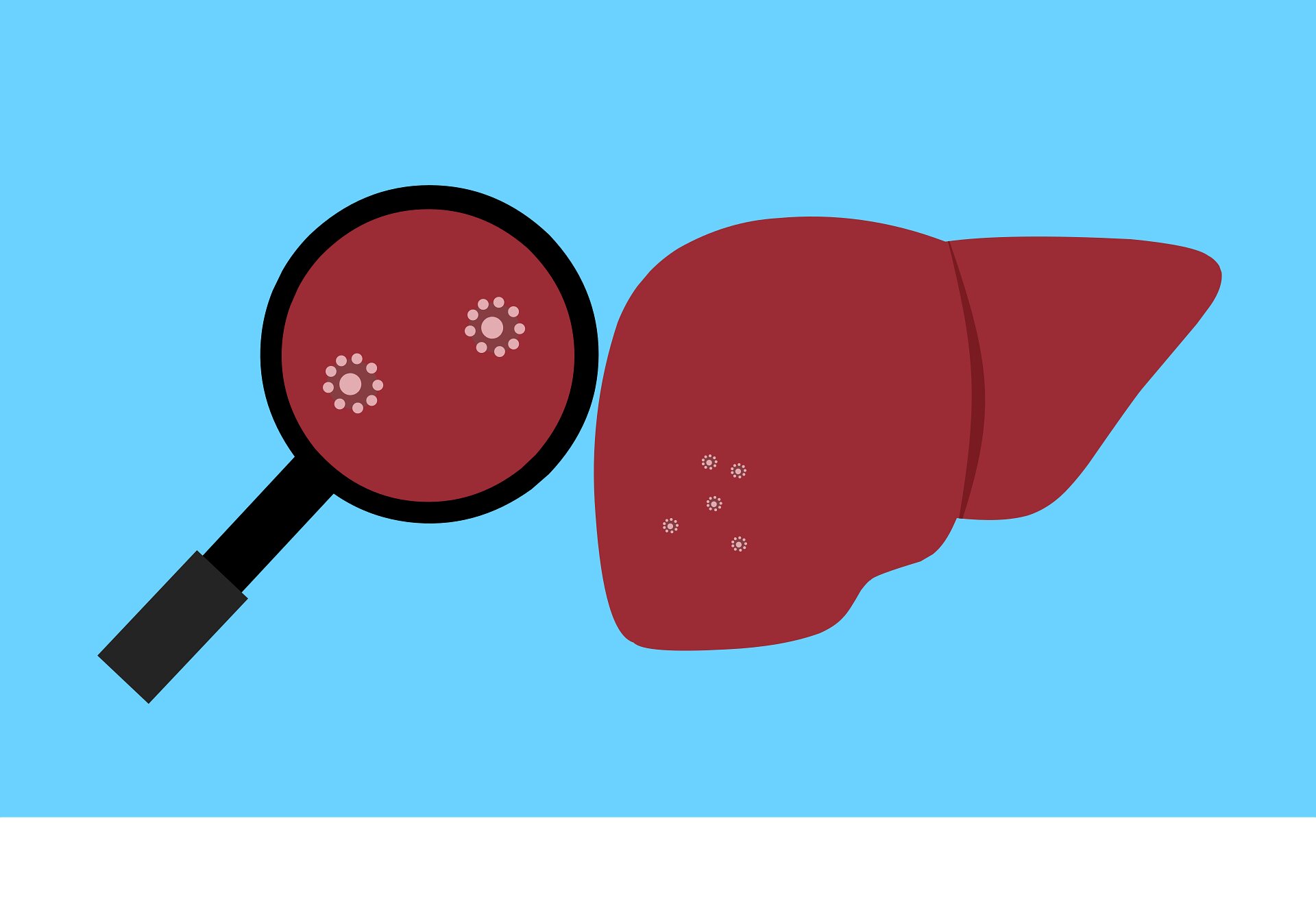
Global efforts to combat viral hepatitis are delivering measurable progress in reducing infections and deaths, but the disease remains a major global health challenge, according to a new World Health Organization (WHO) report released today at the World Hepatitis Summit.Viral hepatitis B and C – the two infections responsible for 95% of hepatitis-related deaths worldwide – claimed 1.34 million lives in 2024, the latest data show. At the same time, transmission continues, with more than 4900 new infections every day, or 1.8 million each year.The 2026 Global hepatitis report documents significant gains made since 2015. The annual number of new hepatitis B infections has dropped by 32% and hepatitis C-related deaths have fallen by 12% globally. Hepatitis B prevalence among children under five has also decreased to 0.6%, with 85 countries achieving or surpassing the 2030 target of 0.1%.These achievements reflect the impact of sustained, coordinated global and national action following the adoption of WHO viral hepatitis elimination targets by Member States at the World Health Assembly in 2016. However, the report warns that current rates of progress are insufficient to meet all 2030 elimination targets, underscoring the urgent need to accelerate prevention, testing, and treatment efforts worldwide.“Around the world, countries are showing that eliminating hepatitis is not a pipedream, it's possible with sustained political commitment, backed by reliable domestic financing,” said Dr Tedros Adhanom Ghebreyesus, WHO Director-General. “At the same time, this report shows that progress is too slow and uneven. Many people remain undiagnosed and untreated due to stigma, weak health systems and inequitable access to care. While we have the tools to eliminate hepatitis as a public health threat, urgent scale-up of prevention, diagnosis and treatment is needed if the world is to meet the 2030 targets.”Global burden and gaps in responseUpdated WHO estimates indicate that 287 million people were living with chronic hepatitis B or C infection in 2024.That year, 0.9 million people were newly infected with hepatitis B. The WHO African Region accounted for 68% of new hepatitis B infections, yet only 17% of newborns in the region received the hepatitis B birth-dose vaccination.A further 0.9 million hepatitis C infections were recorded in 2024. People who inject drugs accounted for 44% of new infections, highlighting the urgent need for stronger harm reduction services and safe injection practices.Of the 240 million people with chronic hepatitis B in 2024, fewer than 5% were receiving treatment. Only 20% of people with hepatitis C have been treated since 2015, when a new 12-week treatment with a cure rate of about 95% became available.As a result of limited access to prevention and care, in 2024 an estimated 1.1 million people died from hepatitis B and 240 000 from hepatitis C. Liver cirrhosis and hepatocellular carcinoma were the main causes of hepatitis related deaths. A large share of hepatitis B-related deaths occurred in the African and Western Pacific Regions.Ten countries – Bangladesh, China, Ethiopia, Ghana, India, Indonesia, Nigeria, the Philippines, South Africa and Viet Nam – accounted for 69% of hepatitis B related deaths worldwide in 2024. Hepatitis C-related deaths are more geographically dispersed. In 2024, ten countries accounted for 58% of the global total: China, India, Indonesia, Japan, Nigeria, Pakistan, the Russian Federation, South Africa, the United States of America and Viet Nam.Proven solutionsDespite these challenges, progress in countries such as Egypt, Georgia, Rwanda, and the United Kingdom demonstrates that eliminating hepatitis as a public health problem is achievable with sustained commitment and investment.Highly effective tools are already available:hepatitis B vaccine protects more than 95% of vaccinated people against both acute and chronic infections;long-term antiviral treatment for hepatitis B can help effectively manage chronic infection and prevent severe liver disease; and hepatitis C short-course curative therapy lasting 8-12 weeks can cure more than 95% of infections.“The data shows that progress is possible but also reveals where we are falling short. Every missed diagnosis and untreated infection due to chronic viral hepatitis represents a preventable death,” said Dr Tereza Kasaeva, Director, WHO Department for HIV, TB, Hepatitis and Sexually Transmitted Infections. “Countries must move faster to integrate hepatitis services for people living with hepatitis B and C into primary care, and to reach the communities most affected.”The report identifies priority actions to accelerate hepatis elimination as a public health threat. These include scaling up treatment for chronic hepatitis B infection, particularly in the WHO African and Western Pacific regions, and expanding access to hepatitis C treatment in the WHO Eastern Mediterranean Region.It also calls for stronger political commitment and financing, improved coverage of hepatitis B birth-dose vaccination and expanded antiviral prophylaxis to prevent mother-to-child transmission of HBV infection, particularly in the WHO African Region. In addition, the report emphasizes the need to improve injection safety in both health-care settings and community practices, including through strengthened harm reduction services for people who inject drugs. 

Read full article →
News Cover
WHO Apr 27, 2026

Practicing today for tomorrow’s emergencies – WHO convenes countries and partners to simulate response to major disease outbreak

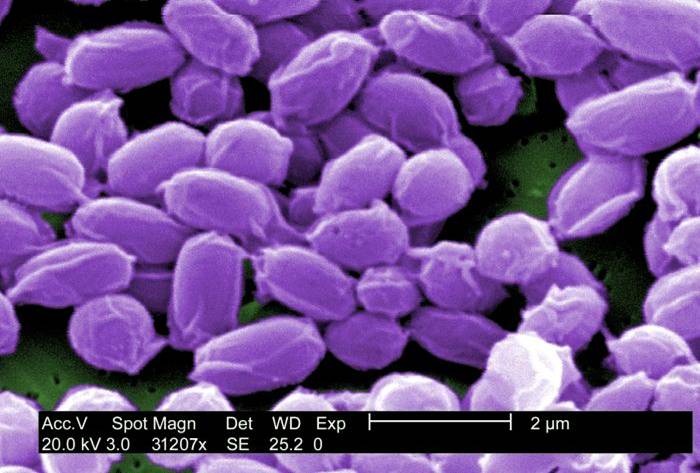
The World Health Organization (WHO) wrapped up Exercise Polaris II, a 2-day high-level simulation exercise, based around an outbreak of a fictional new bacterium spreading across the world. Bringing together 26 countries and territories, 600 health emergency experts and over 25 partners, the exercise, which took place on 22 and 23 April, allowed countries to test their preparedness for pandemics and other major health emergencies, including activating their emergency workforce structures, information flow and coordination with each other, partners and WHO.Building on the success of Polaris I held in April 2025, which centered on a fictional virus, each participating country activated its emergency coordination structure and worked under real-life conditions to share information, align policies and surge their workforce.“Exercise Polaris II showed what is possible when we act together. It demonstrated that global cooperation is not optional – it is essential,” said Dr Tedros Adhanom Ghebreyesus, WHO Director-General. “This is the purpose of the Global Health Emergency Corps: coordination across the emergency workforce, building trust, strengthening connections, and working as one across borders.”The simulation put two key WHO frameworks into practice, the Global Health Emergency Corps (GHEC) framework and the National health emergency alert and response framework, and explored the use of AI-enabled tools to support workforce organization and planning.The GHEC framework, published in June 2025, provides guidance on how countries can strengthen their health workforce to respond to emergencies based on the principles of sovereignty, equity and solidarity. It improves collaboration between countries by supporting information exchange and strengthening the deployment of regional and global emergency personnel when needed.The National health emergency alert and response framework, published in October 2025 outlines the key functions, coordination systems and actions needed for an effective response at local, sub-national and national levels.“By simulating the spread of a dangerous pathogen under real-life conditions, Exercise Polaris II helped us turn existing plans into action. It is not enough to have plans on paper – what matters is how they perform in practice,” said Edenilo Baltazar Barreira Filho, Director of the Public Health Emergencies Department, Ministry of Health, Brazil. The exercise also provided an opportunity to practice a coordinated provision of technical expertise and surge support to countries from over 25 national, regional and global health agencies and organizations, including Africa Centres for Disease Control and Prevention, the International Federation of Red Cross and Red Crescent Societies, Médecins Sans Frontières, Robert Koch Institute, UK-Med, UNICEF, and emergency networks such as the Global Outbreak Alert and Response Network, the Emergency Medical Teams initiative, Standby Partners, and the International Association of National Public Health Institutes.“Exercise Polaris II showed what it looks like when countries are prepared and ready to act together,” said Dr Chikwe Ihekweazu, Executive Director of WHO’s Health Emergencies Programme. “This reflects the spirit of the Global Health Emergency Corps: a well-organized, trained, coordinated and connected emergency workforce ready to respond wherever and whenever it is needed.”The second edition of the exercise saw a larger number of countries participate and collaborate through new networks such as the recently launched Health Emergency Leaders Network for Africa and the Eastern Mediterranean.Exercise Polaris II is part of HorizonX, WHO’s forward-looking, multi-year simulation exercise programme. It provides a vital platform to operationalize and practice emergency frameworks under real-life conditions, ensuring that collective readiness is not a periodic effort, but a continuous investment in global health security. Note to editorsParticipating countries and territories covering all WHO regions included Bangladesh, Brazil, Brunei, Colombia, Egypt, El Salvador, France, Georgia, Ghana, India, Indonesia, Jordan, Kenya, Kosovo*, Libya, Malaysia, Nepal, Oman, Paraguay, Philippines, Qatar, Republic of Congo, Rwanda, Suriname, Thailand, and Yemen.*All references to Kosovo on this page should be understood to be in the context of the United Nations Security Council resolution 1244 (1999).About WHODedicated to the well-being of all people and guided by science, the World Health Organization leads and champions global efforts to give everyone, everywhere an equal chance at a safe and healthy life. We are the United Nations’ agency for health that connects nations, partners and people on the front lines in 150+ locations – leading the world’s response to health emergencies, preventing disease, addressing the root causes of health issues and expanding access to medicines and health care. Our mission is to promote health, keep the world safe and serve the vulnerable.  “Together for health. Stand with science”, the theme of World Health Day 2026 marks a year-long campaign to highlight science as the foundation for protecting health and well-being worldwide. 

Read full article →
News Cover
WHO Apr 24, 2026

WHO prequalifies first-ever malaria treatment for newborns and infants, adds new diagnostic tests

Ahead of World Malaria Day on 25 April, the World Health Organization (WHO) has announced a significant step forward in the fight against malaria with the prequalification of the first treatment developed specifically for newborns and young infants weighing between two and five kilograms. The prequalification designation indicates that the medicine meets international standards of quality, safety and efficacy, and will help to expand access to quality-assured treatment for one of the most underserved patient groups.The newly prequalified treatment, artemether-lumefantrine, is the first antimalarial formulation designed specifically for the youngest malaria patients. Until now, infants with malaria have been treated with formulations intended for older children, which increase the risk of dosing errors, side effects and toxicity. WHO prequalification will enable public sector procurement, contributing to closing a long-standing treatment gap for some 30 million babies born each year in malaria-endemic areas of Africa."For centuries, malaria has stolen children from their parents, and health, wealth and hope from communities," said Dr Tedros Adhanom Ghebreyesus, WHO Director-General. "But today, the story is changing. New vaccines, diagnostic tests, next-generation mosquito nets and effective medicines, including those adapted for the youngest, are helping to turn the tide. Ending malaria in our lifetime is no longer a dream – it is a real possibility, but only with sustained political and financial commitment. Now we can. Now we must."New prequalified testsOn 14 April 2026, WHO also prequalified three new rapid diagnostic tests (RDTs) designed to address emerging diagnostic challenges for malaria. The most common malaria RDTs for P.falciparum parasite work by detecting the protein, known as HRP2. But based on reported studies and surveys in 46 countries, some strains of the malaria parasite have lost the gene that makes this protein – so they become "invisible" to HRP2-based RDTs, leading to false-negative results. In countries in the Horn of Africa, up to 80% of cases were missed, leading to delayed treatment, severe illness, and even death.The new tests address this issue by targeting a different parasite protein (pf-LDH) that the malaria parasite cannot easily shed. They provide a reliable, quality-assured alternative where HRP2-based tests are failing. WHO now recommends that countries switch to these alternative RDTs when more than 5% of cases are missed due to pf-hrp2 deletions. This ensures accurate diagnosis, appropriate treatment, and protects hard-won malaria control gains – especially for the most vulnerable communities.The announcements come as WHO and partners launch the 2026 World Malaria Day campaign, "Driven to End Malaria: Now We Can. Now We Must." The theme is a rallying cry to seize the moment – to protect lives now and fund a malaria-free future.According to the World malaria report 2025, there were an estimated 282 million cases and 610 000 deaths in 2024 – an increase from 2023. While 47 countries have been certified malaria-free and 37 countries reported fewer than 1000 cases in 2024, progress at the global level is stalling. Gains are at risk due to multiple challenges, including drug resistance, insecticide resistance, diagnostic failure, and severe reductions in international development assistance.Despite these challenges, substantial progress has been made, with an estimated 2.3 billion malaria infections prevented and 14 million lives saved worldwide since 2000.Twenty-five countries are now rolling out malaria vaccines, protecting millions of children, and next-generation mosquito nets make up 84% of all new nets distributed. These advances demonstrate what is possible when all partners work together to innovate and deliver on the promises towards ending malaria for all. About WHODedicated to the well-being of all people and guided by science, the World Health Organization leads and champions global efforts to give everyone, everywhere an equal chance at a safe and healthy life. We are the UN agency for health that connects nations, partners and people on the front lines in 150+ locations – leading the world’s response to health emergencies, preventing disease, addressing the root causes of health issues and expanding access to medicines and health care. Our mission is to promote health, keep the world safe and serve the vulnerable.“Together for health. Stand with science”, the theme of World Health Day 2026 marks a year-long campaign to highlight science as the foundation for protecting health and well-being worldwide. 

Read full article →
News Cover
WHO Apr 23, 2026

Largest catch-up initiative delivers over 100 million childhood vaccinations

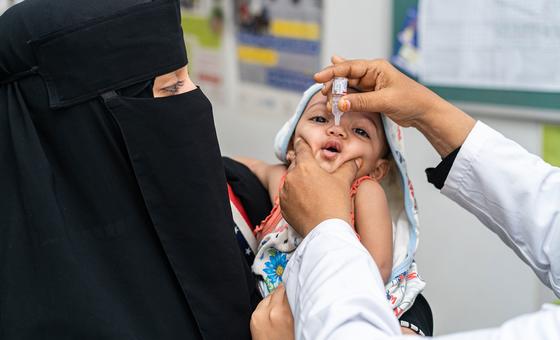
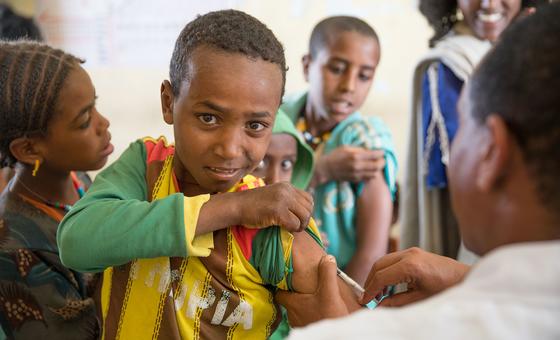
The Big Catch-Up, launched during World Immunization Week 2023, has delivered over 100 million vaccine doses to an estimated 18.3 million children across 36 countriesAround 12.3 million were “zero-dose children” who had not previously received any vaccines and 15 million who had never received a measles vaccine. The initiative concluded in March 2026 and is on track to meet its target of catching up 21 million children – but agencies warn that many infants still miss out on lifesaving vaccines through routine immunization every year.The Big Catch-Up (BCU), a historic multi-year, multi-country effort to address vaccination declines driven largely by the COVID-19 pandemic, has reached an estimated 18.3 million children aged 1 to 5 across 36 countries with more than 100 million doses of life-saving vaccines, helping to narrow critical immunity gaps, announced Gavi, the Vaccine Alliance (Gavi), WHO, and UNICEF at the start of World Immunization Week.Of the 18.3 million children reached between 2023 and 2025, an estimated 12.3 million were “zero-dose children” who had not yet received a vaccine and 15 million had never received a measles vaccine. BCU also provided 23 million doses of inactivated polio vaccine (IPV) to un- and under-vaccinated children, an essential intervention to reach polio eradication. Programme implementation concluded on 31 March 2026. Although final data is still being compiled, the global initiative is forecasted to be on track to meet its target of reaching at least 21 million un- and under-immunized children.However, agencies warn that while catch-up vaccination is an important strategy for closing immunisation gaps, expanding the reach of routine immunization programmes remains the most effective and sustainable way to protect children and prevent outbreaks of vaccine-preventable diseases.Addressing the vaccine equity gapBeyond pandemic recovery, the BCU initiative focused on closing the vaccine equity gap. Millions of children every year miss the essential vaccinations they should receive before the age of one. Most of them live in fragile, conflict-affected, or underserved communities and are never caught up as they grow older.The 36 participating BCU countries across Africa and Asia currently account for 60% of all zero-dose worldwide. Pandemic-related immunisation programme disruptions exacerbated this issue, and, in these countries, added millions more zero-dose children to those who already chronically miss out. To address this issue, the Big Catch-Up looked beyond infant immunization, for the first-time ever systematically leveraging routine immunisation systems to make deep inroads into the accumulated global cohort of older children between the ages of 1 to 5 – “older” because they should have received critical routine vaccines before the age of 1 – who remain vulnerable due to missed vaccinations.BCU catalysed long-lasting systems to identify, screen, vaccinate and monitor coverage rates in these older children – including updates to policies on age eligibility. Countries also oriented and trained health workers to identify, screen and vaccinate missed children as part of routine care and engaged with communities and civil society to support catch-up efforts. By expanding the reach of immunization to millions of previously missed children and their communities, and investing in systemic improvements, the BCU drive has made it easier for the countries to ensure these populations and others like them continue to receive essential health and immunization services in the future.Among the participating countries, 12 countries (Burkina Faso, Democratic People’s Republic of Korea, Ethiopia, Kenya, Madagascar, Mauritania, Niger, Pakistan, Somalia, Togo, United Republic of Tanzania, and Zambia) reported reaching more than 60% of all zero-dose children under the age of 5 who had previously missed DTP1. In Ethiopia, more than 2.5 million previously zero-dose children received DTP1. The country also delivered nearly 5 million doses of IPV and more than 4 million doses of measles vaccine, among other key vaccines, to un- and under-vaccinated children. Countries outside this group also reached large numbers of children. In Nigeria, for example, 2 million previously zero-dose children were reached with DTP1, and 3.4 million doses of IPV were administered alongside millions of doses of other vaccines.While these 36 countries received Gavi funding and technical assistance from WHO and UNICEF through BCU, many other countries also implemented activities during this period to accelerate efforts to catch-up missed children and recover immunisation services following pandemic-related backsliding.“As the largest ever international effort to reach missed children with life-saving vaccines, the Big Catch-Up shows what is possible when governments, partners and communities work together to protect the most vulnerable in society,” said Dr Sania Nishtar, CEO of Gavi, the Vaccine Alliance. “Thanks to this accomplishment, not only are millions of children now protected from preventable diseases but so are their communities, for generations to come.” "By protecting children who missed out on vaccinations because of disruptions to health services caused by COVID-19, the Big Catch-Up has helped to undo one of the pandemic's major negative consequences," said Dr Tedros Adhanom Ghebreyesus, Director-General of the World Health Organization. “The success of the Big Catch-Up is a testament to health workers and national immunization programmes, which are now better equipped to find and vaccinate children missed by routine services."   "Vaccinations save lives,” said UNICEF Executive Director Catherine Russell.  “This initiative shows what's possible when countries have the resources, tools, and political will to reach children with lifesaving vaccines. We've caught up with some of the children who missed routine vaccinations during the pandemic – but many more remain out of reach. The gains made through the Big Catch-Up must be sustained through investment in strong, reliable immunisation systems, especially at a time where measles is resurging."Looking at the challenges aheadThrough the Big Catch-Up, for the first time ever, countries and global partners successfully reached 12.3 million “older” zero dose children between the ages of 1 to 5. However, in 2024, an estimated 14.3 million infants under the age of one globally failed to receive a single vaccine through routine immunization programmes. Despite BCU demonstrating progress is possible with leadership and targeted investment and support, lowering this annual number of infants who miss out will require building systems that consistently reach the hardest to reach communities – against a backdrop of rising birth cohorts, conflict and displacement, funding cuts, and strained health systems.The consequences of chronic gaps in routine immunisation are plain to see. Measles outbreaks, for example, are rising in every region with around 11 million cases in 2024, and the number of countries facing large outbreaks has almost tripled since 2021. This surge is driven by persistent gaps in measles vaccination through routine immunization programmes, compounded by declining vaccine confidence in some previously high-coverage communities.Large-scale catch-up efforts are resource intensive and should serve only as a gap-filling measure that is complementary to routine immunization. Timely vaccination according to national immunisation schedules provides optimal protection and continues to be the most sustainable way to safeguard children and communities.For every generation, vaccines workWHO, UNICEF, and Gavi, along with countries and communities, are marking World Immunization Week (24–30 April 2026) with a joint campaign, "For every generation, vaccines work," calling on countries to sustain and expand vaccination coverage at every age. At the midpoint of the Immunisation Agenda 2030 (IA2030), and central to Gavi's 2026–2030 strategy (Gavi 6.0), the priority remains the same: reaching zero-dose children and advancing equity in the hardest-to-reach communities, particularly in countries grappling with conflict, instability, or fragile health systems. Maintaining that momentum will require expanding long-term domestic investments in immunization programmes and reliable commitments from partners and donors. Notes to editorsUseful linksPhotos and broll - UNICEFWHO catch up immunisationThe Big Catch-Up: An Essential Immunisation Recovery Plan for 2023 and BeyondAbout Gavi, the Vaccine AllianceGavi, the Vaccine Alliance is a public-private partnership that helps vaccinate more than half the world’s children against some of the world’s deadliest diseases. The Vaccine Alliance brings together developing country and donor governments, the World Health Organization, UNICEF, the World Bank, the vaccine industry, technical agencies, civil society, the Gates Foundation and other private sector partners. View the full list of donor governments and other leading organisations that fund Gavi’s work here.Since its inception in 2000, Gavi has helped to immunise a whole generation – over 1.2 billion children – and prevented more than 20.6 million future deaths, helping to halve child mortality in 78 lower‑income countries. Gavi also plays a key role in improving global health security by supporting health systems as well as funding global stockpiles for Ebola, cholera, meningococcal and yellow fever vaccines. After two decades of progress, Gavi is now focused on protecting the next generation, above all the zero-dose children who have not received even a single vaccine shot. The Vaccine Alliance employs innovative finance and the latest technology – from drones to biometrics – to save lives, prevent outbreaks before they can spread and help countries on the road to self-sufficiency. Learn more at www.gavi.org and connect with us on Bluesky, Facebook, Instagram, LinkedIn, TikTok, X and YouTube.About UNICEFUNICEF, the United Nations agency for children, works to protect the rights of every child, everywhere, especially the most disadvantaged children and in the toughest places to reach. Across more than 190 countries and territories, we do whatever it takes to help children survive, thrive, and fulfil their potential. For more information about UNICEF and its work, please visit: www.unicef.org Follow UNICEF on X (Twitter), Facebook, Instagram, and YouTubeAbout WHODedicated to the health and well-being of all people and guided by science, the World Health Organization leads and champions global efforts to give everyone, everywhere, an equal chance at a safe and healthy life. We are the UN agency for health. We connect nations, partners and people on the front lines in 150+ locations – leading the world’s response to health emergencies, preventing disease, addressing the root causes of health issues and expanding access to medicines and health care. Our mission is to promote health, keep the world safe and serve the vulnerable. www.who.int     

Read full article →
News Cover
WHO Apr 23, 2026

WHO reports measurable health impact in 2025 amid transition to new strategy

The World Health Organization (WHO) today released its Results Report, highlighting measurable improvements in people’s health worldwide in 2025, despite funding cuts affecting both the organization and the broader global health sector.Published at a pivotal moment for global health, the Results Report demonstrates that WHO’s impact was strongest in areas where its technical leadership and comparative advantage were fully leveraged.The report finds significant progress across all three “Triple Billion” targets under WHO’s Thirteenth General Programme of Work (GPW13) for 2019–2025.an estimated 567 million additional people were covered by essential health services without experiencing catastrophic health spending in 2025, compared with the baseline in 2018 – an increase of 136 million since 2024;an estimated 698 million additional people were better protected from health emergencies in 2025, compared with the baseline in 2018 – an increase of 61 million since 2024; andan estimated 1.75 billion additional people living healthier lives in 2025, compared with the baseline in 2018 – an increase of 300 million since 2024.Despite this progress, the report cautions that important ambitions remain unmet, leaving with the world off track to meet the health-related Sustainable Development Goals by 2030.Nevertheless, this final snapshot under GPW 13 provides clear evidence of the value of a strong and sustainably financed WHO, reflecting enduring collaboration between WHO and its Member States at global, regional and country levels.“The Results Report 2025 shows that with support from WHO and partners, countries have delivered tangible benefits for millions of people,” said Dr Tedros Adhanom Ghebreyesus, WHO Director-General. “At the same time, these gains cannot be taken for granted. Protecting and expanding them will require sustained support and investment, so that together we can continue advancing the vision set out in WHO’s Constitution: the highest attainable standard of health as a right for all.”The WHO Results Report is released annually ahead of the World Health Assembly to assess progress and review achievements and challenges in implementing WHO’s programme budget.Compared with previous editions, the 2025 report features stronger evidence-based reporting and clearer prioritization across country, regional and global levels, providing a more data-driven picture of where progress has been made and where further effort is needed. The full report will be presented by the Director-General at the Seventy-ninth World Health Assembly (18–23 May 2026).Significant impact and areas of improvementThis latest Results Report shows meaningful – but incomplete – progress across 46 outcome indicators and 121 output indicators that are specifically focused on the performance of the WHO Secretariat. These indicators are aligned with the 2030 Agenda for Sustainable Development reflecting joint accountability between WHO and its Member States.Overall, approximately half of the output indicators were not achieved, particularly in emergency-prone and resource-constrained settings. For all three targets, financial pressures and WHO’s realignment process had several immediate consequences, such as reduced human resource capacity for delivery, limited technical support, and slowing programme implementation.Progress towards universal health coverage was driven by expanded coverage of services for communicable diseases, including HIV and tuberculosis, prevention of bacterial diseases through improved sanitation and an expanding health workforce. However, gaps persist in areas such as diabetes management, measles surveillance and financial protection.Progress under protection from health emergencies reflects advances in pandemic preparedness, early warning systems, prevention and response capacity. These gains were supported in part by the adopted Pandemic Agreement and the revised International Health Regulations. Areas requiring complex implementation – such as disease detection, emergency response, and polio eradication and transition – remain more challenging, reflecting constraints in country capacity, financing and operations.Progress towards better health and well-being was driven by improvements in access to clean household energy, water, sanitation and hygiene, and reductions in air pollution, tobacco use and alcohol consumption. WHO’s global guidance, technical tools, standards and networks played a significant role in supporting these achievements.Examples of achievements in 2025The Results Report highlights several areas where WHO’s technical leadership and convening role delivered clear impact:antimicrobial resistance: expanded surveillance and evidence generation through the Global Antimicrobial Resistance and Use Surveillance System (GLASS), for policy-decision making;mental health: strengthened emergency mental health and psychosocial support systems, increasing country coverage from 28% to 48%;HPV vaccination: expanded vaccine coverage with simplified single-dose schedules, raising global coverage from 17% in 2019 to 31% in 2024;pandemic preparedness: adoption of the Pandemic Agreement and amendments to the International Health Regulations (IHR), to ensure that the world is better prepared for future pandemics;humanitarian response: responded to 66 emergencies across 88 countries in 2025; delivering for instance 33 million medical consultations through health partners in Gaza.environmental health: updated global air pollution roadmap to cut deaths attributed to poor air quality by 50% by 2040; andOne Health: strengthened high-level engagement and multisectoral dialogue and collaboration through the Quadripartite partnership, to better protect people, animals and the planet from future health crises.Looking aheadThe report notes that a large share of WHO’s funding remains highly earmarked for specific thematic areas, which continues to limit strategic allocation in line with organizational priorities.As the global financial landscape becomes more constrained, sustained and flexible financing will be essential to safeguard health gains, reduce persistent inequities, and enable WHO to deliver on its mandate – particularly in countries and communities most in need – for a healthier, safer, and fairer world for all.Editor’s noteEstablished under GPW 13, WHO’s Triple Billion targets aimed to ensure that, by the end of 2025 compared with 2018 levels, one billion more people benefit from universal health coverage; one billion more people are better protected from health emergencies; and one billion more people enjoy better health and well-being. 

Read full article →
News Cover
WHO Apr 22, 2026

WHO certifies the Bahamas for eliminating mother-to-child transmission of HIV

In a landmark achievement for Caribbean public health, the World Health Organization (WHO) congratulates The Bahamas for becoming the latest Caribbean nation to be certified as having eliminated the mother-to-child transmission of HIV.“I congratulate The Bahamas on this outstanding achievement, which solidifies years of political commitment, and the dedication of health workers,” said Dr Tedros Adhanom Ghebreyesus, WHO Director-General. “By ensuring that children are born free of HIV, we are securing a healthier, brighter future for the next generation.”“This achievement reflects sustained political commitment and strong national leadership, alongside the dedication and compassion of the health workforce,” said Dr Jarbas Barbosa, Director of the Pan American Health Organization (PAHO) and WHO Regional Director for the Americas. “As we look ahead, this milestone is not only a moment of national pride but also an opportunity to build on this success, advancing efforts to end HIV and other communicable diseases as public health threats across the Caribbean and the Americas.”Foundations of successThe Bahamas achieved this milestone by pioneering a comprehensive and inclusive health-care model. Key to this success has been the provision of universal antenatal care to all pregnant women, regardless of nationality or legal status, across both public and private facilities. This approach is supported by a strong, integrated laboratory network and a rigorous testing protocol that screens women at their first antenatal appointment and again in the third trimester.Elimination of mother-to-child transmission (EMTCT) interventions in The Bahamas are fully integrated into antenatal care standards and norms and implemented under the Maternal and Child Health (MCH) programme. MCH coordinates with the National Infectious Disease Programme, which oversees the prevention and treatment of HIV and other sexually transmitted infections (STI). This includes the introduction of pre-exposure prophylaxis (PrEP) for HIV prevention, also offered to pregnant women. To ensure continuity of care, the health system maintains adequate monitoring for HIV-positive mothers and exposed infants, provides multi-month dispensing of antiretroviral medicines, and offers STI treatment and family planning services free of charge.“For years, The Bahamas have been working very hard to address the situation of HIV/AIDS,” said Dr Michael Darville, Minister of Health and Wellness of The Bahamas. “A lot of people have been involved in us achieving this great milestone – our nurses in our public health system, our nurses and doctors in our tertiary health-care system and, by extension, all of the clinics spread throughout our archipelago.”From Cuba, the first country in the world to be certified, and Brazil – certified last year, The Bahamas now joins a prestigious group of 12 countries and territories in the Region of the Americas at the forefront of the EMTCT movement. The Bahamas will continue efforts to sustain these standards through integrated primary care and continuous surveillance.The road to eliminationTo receive WHO certification, countries must prove they have sustained the following:reducing the mother-to-child transmission rate of HIV to less than 2%;achieving fewer than 5 new pediatric HIV infections per 1000 live births; andmaintaining 95% or higher coverage for antenatal care, HIV testing, and treatment for pregnant women.“Latin America and the Caribbean has long been a beacon of progress in this global effort. From Cuba – the first country in the world to be certified – to Brazil’s certification last year, and now to The Bahamas, the region continues to lead with ambition and determination. Today, more than half of all countries and territories that have achieved elimination are from this region. This is a legacy of leadership that inspires the world,” said Anurita Bains, Global Associate Director for HIV/AIDS at UNICEF.“The Bahamas are showing that eliminating mother-to-child transmission HIV and other sexually transmitted infections is possible,” said Winnie Byanyima, UNAIDS Executive Director. “This achievement reflects political will for steady investment in primary health care and the work of health teams and people living with and most affected by HIV. When women can test early in pregnancy, start treatment quickly, and stay in care, every child has a better chance of being born free of HIV and other STIs.”The Bahamas’ success is part of the broader EMTCT Plus Initiative, which aims to eliminate mother-to-child transmission of HIV, syphilis, hepatitis B, and congenital Chagas disease. Implemented in collaboration with UNICEF and UNAIDS, the initiative is embedded within PAHO’s Elimination Initiative, a regional effort to eliminate more than 30 communicable diseases and related conditions in the Americas by 2030.

Read full article →
News Cover
WHO Mär 17, 2026

Die Fortschritte bei der Reduzierung der Kindersterblichkeit verlangsamen sich, da 4,9 Millionen Kinder vor ihrem fünften Lebensjahr sterben

Nach heute veröffentlichten neuen Schätzungen starben schätzungsweise 4,9 Millionen Kinder vor ihrem fünften Geburtstag im Jahr 2024, darunter 2,3 Millionen Neugeborene. Die meisten dieser Todesfälle sind durch bewährte, kostengünstige Interventionen und den Zugang zu hochwertiger Gesundheitsversorgung vermeidbar. Dem Bericht zufolge – Niveaus und Trends der Kindersterblichkeit – Die Zahl der Todesfälle bei Kindern unter fünf Jahren ist seit dem Jahr 2000 weltweit um mehr als die Hälfte zurückgegangen. Seit 2015 hat sich das Tempo des Rückgangs der Kindersterblichkeit jedoch um mehr als 60 Prozent verlangsamt. zum ersten Mal – berücksichtigt vollständig Schätzungen zu den Todesursachen.*Zum ersten Mal schätzt der Bericht die direkt durch schwere akute Unterernährung (SAM) verursachten Todesfälle und stellt fest, dass mehr als 100 000 Kinder im Alter von 1–59 Monaten – oder 5 Prozent – sind im Jahr 2024 daran gestorben. Die Zahl der Opfer ist viel höher, wenn man indirekte Auswirkungen berücksichtigt, da Unterernährung die Immunität von Kindern schwächt und ihr Risiko erhöht, an häufigen Kinderkrankheiten zu sterben. Auch Sterblichkeitsdaten erfassen SAM häufig nicht als zugrunde liegende Todesursache, was darauf hindeutet, dass die Belastung wahrscheinlich erheblich unterschätzt wird. Zu den Ländern mit der höchsten Zahl an direkten Todesfällen gehören Pakistan, Somalia und der Sudan. Todesfälle bei Neugeborenen machen fast die Hälfte aller Todesfälle bei Kindern unter fünf Jahren aus, was auf langsamere Fortschritte bei der Prävention von Todesfällen um die Geburtszeit zurückzuführen ist. Hauptursachen bei Neugeborenen waren Komplikationen bei einer Frühgeburt (36 Prozent) und Komplikationen während der Wehen und der Entbindung (21 Prozent). Infektionen, darunter Sepsis bei Neugeborenen und angeborene Anomalien, waren ebenfalls wichtige Ursachen. Nach dem ersten Monat waren Infektionskrankheiten wie Malaria, Durchfall und Lungenentzündung die häufigsten Todesursachen. Malaria blieb die häufigste Todesursache in dieser Altersgruppe (17 Prozent) – Die meisten Todesfälle ereignen sich in Endemiegebieten in Afrika südlich der Sahara. Nach starken Rückgängen zwischen 2000 und 2015 verlangsamten sich die Fortschritte bei der Reduzierung der Malaria-Sterblichkeit in den letzten Jahren. Die Todesfälle konzentrieren sich nach wie vor auf eine Handvoll Endemieländer. wie Tschad, Demokratische Republik Kongo, Niger und Nigeria – wo Konflikte, Klimaschocks, invasive Mücken, Arzneimittelresistenzen und andere biologische Bedrohungen weiterhin den Zugang zu Prävention und Behandlung beeinträchtigen. Kindersterblichkeit konzentriert sich nach wie vor stark auf wenige Regionen. Im Jahr 2024 entfielen 58 Prozent aller Todesfälle unter fünf Jahren auf Afrika südlich der Sahara. In der Region waren die häufigsten Infektionskrankheiten für 54 Prozent aller Todesfälle bei Kindern unter fünf Jahren verantwortlich. In Europa und Nordamerika sinkt dieser Anteil auf 9 Prozent und in Australien und Neuseeland weiter auf 6 Prozent. Diese starken Unterschiede spiegeln den ungleichen Zugang zu bewährten, lebensrettenden Interventionen wider. In Südasien, wo 25 Prozent aller Todesfälle bei Kindern unter fünf Jahren zu verzeichnen waren, war die Sterblichkeit größtenteils auf Komplikationen im ersten Lebensmonat zurückzuführen. einschließlich Frühgeburt, Erstickung/Trauma bei der Geburt, angeborene Anomalien und Neugeboreneninfektionen. Diese weitgehend vermeidbaren Erkrankungen unterstreichen die dringende Notwendigkeit, in hochwertige Schwangerschaftsvorsorge, qualifiziertes Gesundheitspersonal bei der Geburt, die Betreuung kleiner und kranker Neugeborener sowie grundlegende Neugeborenendienste zu investieren. Fragile und von Konflikten betroffene Länder tragen weiterhin einen unverhältnismäßig hohen Anteil der Last. Kinder, die in diesen Umgebungen geboren werden, haben ein fast dreimal höheres Risiko, vor ihrem fünften Geburtstag zu sterben als anderswo. Der Bericht stellt außerdem fest, dass im Jahr 2024 schätzungsweise 2,1 Millionen Kinder, Jugendliche und Jugendliche im Alter von 5 bis 24 Jahren starben. Infektionskrankheiten und Verletzungen bleiben die Hauptursachen bei jüngeren Kindern, während sich die Risiken im Jugendalter verlagern: Selbstverletzung ist die häufigste Todesursache bei Mädchen im Alter von 15 bis 19 Jahren, Verkehrsunfälle bei ihnen Jungen.Verschiebungen in der globalen Entwicklungsfinanzierungslandschaft setzen wichtige Gesundheitsprogramme für Mütter, Neugeborene und Kinder zunehmend unter Druck. Umfragen, Gesundheitsinformationssysteme und die Kernfunktionen, die einer wirksamen Pflege zugrunde liegen, benötigen alle eine nachhaltige Finanzierung, nicht nur um die erzielten Fortschritte zu schützen, sondern um sie zu beschleunigen. Es gibt Belege dafür, dass Investitionen in die Kindergesundheit nach wie vor zu den kosteneffektivsten Entwicklungsmaßnahmen gehören. Bewährte, kostengünstige Interventionen – wie Impfungen, Behandlung schwerer akuter Unterernährung und qualifizierte Betreuung bei der Geburt – Liefern Sie einige davon

Read full article →
News Cover
WHO Mär 11, 2026

Laut WHO verschärft der Konflikt die Gesundheitskrise im gesamten Nahen Osten

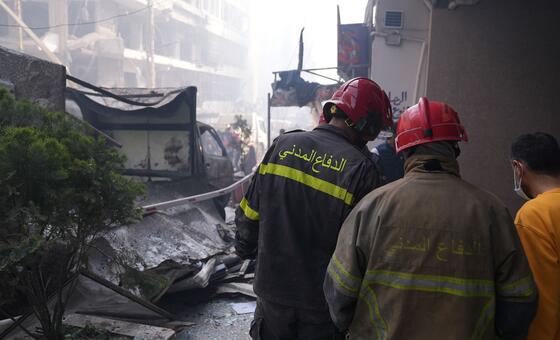
Mehr als zehn Tage nach der jüngsten Eskalation des Konflikts im Nahen Osten geraten die Gesundheitssysteme in der gesamten Region unter Druck, da Verletzungen und Vertreibungen zunehmen, die Angriffe auf das Gesundheitswesen anhalten und die Risiken für die öffentliche Gesundheit zunehmen. Die nationalen Gesundheitsbehörden im Iran melden mehr als 1.300 Todesfälle und 9.000 Verletzte und im Libanon mindestens 570 Todesfälle und mehr als 1.400 Verletzte. In Israel melden die Behörden 15 Tote und 2142 Verletzte. Gleichzeitig beeinträchtigt der Konflikt genau die Dienste, die Leben retten sollen. Im Iran hat die WHO seit dem 28. Februar 18 Angriffe auf das Gesundheitswesen bestätigt, die zu 8 Todesfällen unter Gesundheitspersonal führten. Im gleichen Zeitraum kam es im Libanon bei 25 Angriffen auf das Gesundheitswesen zu 16 Toten und 29 Verletzten. Diese Angriffe kosten nicht nur Menschenleben, sondern entziehen den Gemeinden auch die Versorgung, die sie am dringendsten benötigen. Gesundheitspersonal, Patienten und Gesundheitseinrichtungen müssen stets durch das humanitäre Völkerrecht geschützt werden. Über die unmittelbaren Auswirkungen hinaus birgt der Konflikt weitreichende Risiken für die öffentliche Gesundheit. Aktuelle Schätzungen gehen davon aus, dass mehr als 100 000 Menschen im Iran aufgrund der Unsicherheit in andere Gebiete des Landes umgesiedelt sind, und bis zu 700 000 Menschen wurden im Libanon intern vertrieben, viele davon in überfüllten Sammelunterkünften unter sich verschlechternden Bedingungen für die öffentliche Gesundheit und mit eingeschränktem Zugang zu sauberem Wasser, sanitären Einrichtungen und Hygiene. Diese Erkrankungen erhöhen das Risiko von Atemwegsinfektionen, Durchfallerkrankungen und anderen übertragbaren Krankheiten, insbesondere für die am stärksten gefährdeten Bevölkerungsgruppen wie Frauen und Kinder. Auch Umweltgefahren geben Anlass zur Sorge. Im Iran setzten Erdölbrände und Rauch aus beschädigter Infrastruktur umliegende Gemeinden giftigen Schadstoffen aus, die möglicherweise Atemprobleme, Augen- und Hautreizungen sowie kontaminierte Wasser- und Nahrungsquellen verursachen. Der Zugang zu Gesundheitsdiensten wird in mehreren Ländern zunehmend eingeschränkt. Im Libanon haben 49 primäre Gesundheitszentren und fünf Krankenhäuser aufgrund von Evakuierungsbefehlen des israelischen Militärs geschlossen, was die Verfügbarkeit wesentlicher Dienstleistungen aufgrund des steigenden medizinischen Bedarfs einschränkt. In den besetzten palästinensischen Gebieten verzögern verschärfte Bewegungseinschränkungen und Kontrollpunktschließungen die Bereitstellung von Krankenwagen und mobilen Kliniken. Zugang über mehrere Gouvernements im Westjordanland hinweg. In Gaza bleiben medizinische Evakuierungen seit dem 28. Februar ausgesetzt, während die Krankenhäuser aufgrund anhaltender Engpässe bei Medikamenten, medizinischen Hilfsgütern und Treibstoff weiterhin unter Druck stehen. Dieser wird rationiert, um wesentliche Gesundheitsdienste wie Notfall- und Traumaversorgung, Dienste für Mütter und Neugeborene sowie die Behandlung übertragbarer Krankheiten zu priorisieren. Vorübergehende Luftraumbeschränkungen haben den Transport medizinischer Hilfsgüter vom globalen Logistikzentrum der WHO in Dubai unterbrochen. Betroffen sind mehr als 50 Notversorgungsanfragen, die über 1,5 Millionen Menschen in 25 Ländern zugute kommen sollen, was zu erheblichen Rückständen führt. Zu den aktuellen vorrangigen Lieferungen gehören Lieferungen, die für Al Arish (Ägypten) zur Unterstützung der Gaza-Reaktion sowie für den Libanon und Afghanistan geplant sind. Die erste Lieferung mit Hilfsgütern zur Cholera-Bekämpfung für Mosambik wird voraussichtlich in der kommenden Woche das Drehkreuz verlassen. Die Eskalation erfolgt zu einer Zeit, in der der humanitäre Bedarf in der östlichen Mittelmeerregion bereits zu den höchsten der Welt zählt. In der gesamten Region benötigen 115 Millionen Menschen humanitäre Hilfe. fast die Hälfte aller Menschen in Not weltweit – während humanitäre Nothilfeaufrufe weiterhin zu 70 % unterfinanziert sind. Ohne Schutz der Gesundheitsversorgung, dauerhaften Zugang für humanitäre Hilfe und stärkere finanzielle und operative Unterstützung für die humanitäre Gesundheitshilfe wird die Belastung für gefährdete Bevölkerungsgruppen und bereits fragile Gesundheitssysteme weiter zunehmen. Die WHO fordert alle Parteien auf, Zivilisten und Gesundheitsversorgung zu schützen, einen ungehinderten und dauerhaften Zugang für humanitäre Hilfe zu gewährleisten und eine Deeskalation des Konflikts anzustreben, damit die Gemeinschaften beginnen können, sich zu erholen und sich dem Frieden zuzuwenden.

Read full article →
News Cover
WHO Feb 23, 2026

Die Angriffe auf das Gesundheitswesen der Ukraine haben im Jahr 2025 um 20 % zugenommen

Während die Ukraine in das fünfte Jahr eines umfassenden Krieges eintritt, hat ihre Bevölkerung im Jahr 2025 die höchste Zahl an Angriffen auf ihre Gesundheitsversorgung erlitten – Anstieg um fast 20 % im Vergleich zu 2024. Seit Beginn des umfassenden Krieges am 24. Februar 2022 hat die WHO mindestens 2881 Angriffe auf das Gesundheitswesen in der Ukraine dokumentiert, von denen Gesundheitspersonal, Einrichtungen, Krankenwagen und medizinische Lager betroffen waren. Diese haben tiefe Lücken in der Gesundheit der Menschen hinterlassen. Laut einer im Dezember 2025 durchgeführten WHO-Bewertung gaben 59 % der Menschen in Frontgebieten an, dass ihr Gesundheitszustand schlecht oder sehr schlecht sei, im Vergleich zu 47 % in Nichtfrontgebieten. „Nach vier Jahren Krieg steigt der Gesundheitsbedarf, aber viele Menschen können nicht die Pflege erhalten, die sie brauchen, auch weil Krankenhäuser und Kliniken regelmäßig angegriffen werden“, sagte Dr. Tedros Adhanom Ghebreyesus, Generaldirektor der WHO. „Die WHO arbeitet mit dem engagierten Gesundheitspersonal der Ukraine zusammen, um die Krankenhäuser mit den Mitteln zum Warmhalten und mit den Medikamenten, auf die die Menschen am meisten angewiesen sind, zu versorgen. Letztendlich ist Frieden die beste Medizin.“ Im Jahr 2025 erreichte die Unterstützung der WHO 1,9 Millionen Menschen in der gesamten Ukraine durch Leistungserbringung, medizinische Versorgung, Überweisungen und Kapazitätsaufbau, mit einem starken Fokus auf Frontlinien und schwer erreichbare Orte. „Vier Jahre Krieg haben zu einer ernsten Gesundheitskrise geführt.“ Krise in der Ukraine“, sagte Dr. Hans Henri P. Kluge, WHO-Regionaldirektor für Europa. „Der Bedarf an psychischer Gesundheit ist erschütternd: 72 % der befragten Menschen litten im vergangenen Jahr unter Angstzuständen oder Depressionen, doch nur jeder Fünfte suchte Hilfe.“ Herz-Kreislauf-Erkrankungen nehmen zu, jeder vierte Ukrainer leidet unter gefährlich hohem Blutdruck. Und 8 von 10 Menschen berichten, dass sie keinen Zugang zu den Medikamenten haben, die sie benötigen. Das ist nicht abstrakt – Es ist ein Herzpatient, der keine Blutdruckmedikamente finden kann, ein Amputierter, der Monate auf eine Prothese wartet, ein Teenager, der zu viel Angst hat, das Haus zu verlassen. Das Gesundheitssystem der Ukraine braucht unsere nachhaltige Unterstützung.“Angriffe auf das GesundheitswesenIn einem Jahr, das von der Hoffnung auf Friedensgespräche geprägt war, sah die Realität vor Ort anders aus. Die Angriffe auf das Gesundheitswesen nahmen zu und erreichten im dritten Quartal 2025 ihren Höhepunkt, als bei 184 Angriffen 12 Menschen ums Leben kamen und 110 Gesundheitspersonal und Patienten verletzt wurden. Gleichzeitig haben sich die Angriffe auf medizinische Lager im Jahr 2025 im Vergleich zum Vorjahr verdreifacht und die Logistik und Lieferketten gestört, die für die Versorgung im ganzen Land von entscheidender Bedeutung sind. In den letzten vier Jahren wurden bei Angriffen auf das Gesundheitswesen 233 Gesundheitspersonal und Patienten getötet und 930 verletzt. Solche Angriffe stellen einen Verstoß gegen das humanitäre Völkerrecht dar. Auswirkungen der Zerstörung auf grundlegende Gesundheitsdienste Dieser Winter war der härteste seit Kriegsbeginn. Mehrere Angriffe auf die Energieinfrastruktur führten dazu, dass Millionen Menschen ohne Heizung, Strom und Wasser waren. Viele der Blockheizkraftwerke der Ukraine wurden beschädigt oder zerstört. Allein in Kiew blieben bei einem Angriff im Januar 2026 fast 6000 Gebäude unter Minustemperaturen ohne Heizung, was schätzungsweise 600 000 Einwohner dazu veranlasste, aus der Hauptstadt zu fliehen „Hinter jedem dieser Systemzusammenbrüche stehen Familien, ältere Bewohner und Mitarbeiter des Gesundheitswesens, die weiterhin Leben retten müssen, während ihre eigenen Häuser nach vier Jahren Krieg immens sind – und die Nachfrage nach Gesundheitsversorgung war noch nie so groß“, sagte Dr. Jarno Habicht, WHO-Vertreter in der Ukraine. Frischgebackene Mütter, die nach der Geburt entlassen werden, Patienten, die sich von Verletzungen oder Herzinfarkten erholen, und diejenigen, die auf eine schwere Krebsoperation warten oder sich davon erholen, kehren nach Hause in Wohnungen ohne Heizung, Strom oder fließendes Wasser zurück. Die Versorgung, die in einem funktionierenden Krankenhaus beginnt, wird untergraben, wenn sich Patienten in eiskalten, dunklen Häusern erholen, wodurch medizinischer Fortschritt zu einem täglichen Kampf ums Überleben wird.Wachsende GesundheitsbedürfnisseDer Anstieg kriegsbedingter Traumaverletzungen hat zu einer wachsenden Nachfrage nach Impfstoffen geführt

Read full article →
News Cover
WHO Feb 05, 2026

Über vier Millionen Mädchen sind immer noch von weiblicher Genitalverstümmelung bedroht: UN-Führer fordern nachhaltiges Engagement und Investitionen zur Beendigung von FGM

Gemeinsame Erklärung des UNFPA-Exekutivdirektors, des UNICEF-Exekutivdirektors, des UN-Hochkommissars für Menschenrechte, des UN-Frauen-Exekutivdirektors, des WHO-Generaldirektors und des UNESCO-Generaldirektors zum Internationalen Tag der Nulltoleranz gegenüber weiblicher Genitalverstümmelung. Allein im Jahr 2026 wurden schätzungsweise 4,5 Millionen Mädchen getötet. viele unter fünf Jahren – sind dem Risiko einer weiblichen Genitalverstümmelung (FGM) ausgesetzt. Derzeit leben mehr als 230 Millionen Mädchen und Frauen mit ihren lebenslangen Folgen. Heute, am Internationalen Tag der Nulltoleranz gegenüber weiblicher Genitalverstümmelung, bekräftigen wir unsere Verpflichtung, die weibliche Genitalverstümmelung für jedes gefährdete Mädchen und jede gefährdete Frau zu beenden und weiterhin daran zu arbeiten, sicherzustellen, dass diejenigen, die dieser schädlichen Praxis ausgesetzt sind, Zugang zu hochwertigen und angemessenen Dienstleistungen haben. Weibliche Genitalverstümmelung ist eine Verletzung der Menschenrechte und kann aus keinem Grund gerechtfertigt werden. Es gefährdet das Verhalten von Mädchen. und die körperliche und geistige Gesundheit von Frauen und kann zu schwerwiegenden, lebenslangen Komplikationen führen, wobei die Behandlungskosten auf etwa 1,4 Milliarden US-Dollar pro Jahr geschätzt werden. Die Maßnahmen zur Beendigung der weiblichen Genitalverstümmelung in den letzten drei Jahrzehnten zeigen Wirkung: Fast zwei Drittel der Bevölkerung in Ländern, in denen sie weit verbreitet ist, befürworten ihre Abschaffung. Nach Jahrzehnten des langsamen Wandels beschleunigen sich die Fortschritte im Kampf gegen die weibliche Genitalverstümmelung: Die Hälfte aller Erfolge seit 1990 wurden im letzten Jahrzehnt erzielt, wodurch die Zahl der Mädchen, die FGM ausgesetzt sind, von einem von zwei auf eins von drei reduziert wurde. Wir müssen auf dieser Dynamik aufbauen und den Fortschritt beschleunigen, um das Ziel der nachhaltigen Entwicklung zu erreichen, die weibliche Genitalverstümmelung bis 2030 zu beenden. Wir wissen, was funktioniert. Gesundheitserziehung, die Einbindung von Religions- und Gemeindeführern, Eltern und Gesundheitspersonal sowie die Nutzung traditioneller und sozialer Medien sind wirksame Strategien zur Beendigung der Praxis. Wir müssen in von der Gemeinschaft geführte Bewegungen investieren – einschließlich Basis- und Jugendnetzwerken – und die Bildung durch formelle und gemeinschaftsbasierte Ansätze stärken. Wir müssen Präventionsbotschaften verstärken, indem wir vertrauenswürdige Meinungsführer, einschließlich Gesundheitspersonal, einbeziehen. Und wir müssen Überlebende unterstützen, indem wir sicherstellen, dass sie Zugang zu umfassender, kontextbezogener Gesundheitsversorgung, psychosozialer Unterstützung und Rechtsbeistand haben. Jeder Dollar, der in die Beendigung der weiblichen Genitalverstümmelung investiert wird, bringt eine zehnfache Rendite. Eine Investition von 2,8 Milliarden US-Dollar kann 20 Millionen Fälle verhindern und Investitionserträge in Höhe von 28 Milliarden US-Dollar generieren. Während wir uns dem Jahr 2030 nähern, sind über Jahrzehnte erzielte Gewinne gefährdet, da weltweite Investitionen und Unterstützung nachlassen. Finanzierungskürzungen und rückläufige internationale Investitionen in Gesundheits-, Bildungs- und Kinderschutzprogramme schränken bereits die Bemühungen ein, weibliche Genitalverstümmelung zu verhindern und Überlebende zu unterstützen. Darüber hinaus erschwert der zunehmende systematische Widerstand gegen Bemühungen zur Beendigung der weiblichen Genitalverstümmelung, gepaart mit gefährlichen Argumenten, dass sie akzeptabel sei, wenn sie von Ärzten oder Gesundheitspersonal durchgeführt werde, die Beseitigungsbemühungen zusätzlich. Ohne angemessene und vorhersehbare Finanzierung besteht die Gefahr, dass Programme zur Öffentlichkeitsarbeit zurückgefahren werden, Dienstleistungen an vorderster Front geschwächt werden und Fortschritte rückgängig gemacht werden – Millionen weiterer Mädchen gefährden wir in einem kritischen Moment auf dem Weg zur Erreichung des Ziels für 2030. Heute bekräftigen wir unser Engagement und unsere Bemühungen mit lokalen und globalen öffentlichen und privaten Partnern, einschließlich Überlebenden, die weibliche Genitalverstümmelung ein für alle Mal zu beenden. 

Read full article →
News Cover
WHO Jan 23, 2026

Countries progress negotiations in support of WHO Pandemic Agreement

The World Health Organization (WHO) Member States this week advanced their negotiations on the Pathogen Access and Benefit‑Sharing (PABS) system in a resumed session of the Intergovernmental Working Group (IGWG) on the WHO Pandemic Agreement. The PABS system is a core element of the agreement adopted by the World Health Assembly (WHA) in May 2025.During the session held on 20–22 January 2026, Member States continued text‑based negotiations on outstanding issues in the draft annex and exchanged views aimed at narrowing differences and identifying areas of convergence.“I am encouraged by the progress we have made in several areas, with signs of emerging consensus for some parts of the Pathogen Access and Benefit‑Sharing system,” said IGWG Bureau co‑chair Ambassador Tovar da Silva Nunes, of Brazil. “As we look ahead to the fifth session, the focus will be on the outstanding, complex issues. The resumed session has helped us gain a clearer picture of where we stand.” Established by the WHA, the IGWG is tasked, as a priority, with drafting and negotiating the PABS system, which is intended to enable safe, transparent and accountable sharing of pathogens with pandemic potential and their genetic sequence information, alongside the fair and equitable sharing of benefits arising from their use, including vaccines, therapeutics and diagnostics.The resumed session was held following a request by Member States to extend the fourth meeting of the IGWG, which convened in December 2025.“Member States have engaged in constructive discussions this week," said IGWG Bureau co-chair Mr Matthew Harpur, of the United Kingdom. "As we make progress towards the May deadline, I am encouraged by their willingness to work together and bridge differences to deliver an effective Pathogen Access and Benefit‑Sharing system."Further meetings of the IGWG are scheduled in the coming months as Member States continue their negotiations.“A strong Pathogen Access and Benefit‑Sharing system will be a cornerstone of a safer and more equitable world,” said Dr Tedros Adhanom Ghebreyesus, WHO Director-General. “I thank countries for their commitment to multilateral solutions.”The outcome of IGWG’s work will be submitted to the Seventy‑ninth World Health Assembly in May 2026 for its consideration. 

Read full article →
News Cover
WHO Jan 21, 2026

WHO renews commitment to a leprosy-free world, spotlighting partnership and progress ahead of World Leprosy Day

Access to treatment for leprosy is essential to global efforts to eliminate leprosy, says the World Health Organization (WHO) ahead of World Leprosy Day, to be observed on 25 January.Leprosy is an infectious disease caused by a type of bacteria, Mycobacterium leprae, and is one of the oldest diseases known to humanity. The disease predominantly affects the skin and peripheral nerves. Left untreated, the disease may cause progressive and permanent disabilities and causes stigma and social isolation. However, the disease can be cured with multidrug therapy (MDT).Efforts to eliminate leprosy have been leading to reductions in the number of new cases in many areas; of the 188 countries, areas or territories that submitted data in 2024, 55 reported zero cases. But still 172 717 new cases were detected worldwide and reported to WHO in the same year.Many partners, including pharmaceutical companies such as Novartis, have been strong supporters of efforts to eliminate leprosy. WHO has collaborated with Novartis since 2000 to provide MDT and clofazimine, free of cost, to all leprosy patients worldwide. This partnership remains one of the most sustained pharmaceutical donation programmes in global health.Marking 25 years of partnership, WHO and Novartis have extended a Memorandum of Understanding (MoU) for an additional 5 years (2026−2030). The extension makes provision for continued supply of MDT and clofazimine, and also includes funding for procurement and distribution of single dose rifampicin (SDR) for post-exposure prophylaxis (PEP).“The unwavering commitment of partners like Novartis over the past quarter-century has been foundational to the progress made against leprosy,” said Dr Jeremy Farrar, WHO Assistant Director-General for Health Promotion, Disease Prevention and Care. “Their steadfast support in ensuring free access to treatment has helped transform millions of lives and moved us closer to a world free from this ancient disease. This enduring collaboration exemplifies the power of global solidarity in health – a reminder that, together, we can overcome even the oldest and most entrenched health challenges when science, equity, and partnership align.”Availability of free MDT has made it possible to cure the disease, prevent disabilities, mitigate stigma, and has enabled affected individuals to continue working and leading normal lives. Additionally, clofazimine has ensured the treatment of lepra reactions, which are characterized by sudden, severe inflammatory episodes, leading to disabilities, if left untreated.“Leprosy is one of the oldest infectious diseases known to humanity and combatting it has been part of our company’s history since discovering the first effective cure,” said Dr Lutz Hegemann, President of Global Health at Novartis. “Over the last 25 years, we have reached millions of patients together with WHO, and we are committed to going further to pursue our vision of a world free of leprosy.”While significant progress has been made, sustaining and building on this momentum requires political commitment, community engagement and continued collaboration and partnership.The theme for this year’s World Leprosy Day is “Leprosy is curable, the real challenge is stigma”.This year also marks the 25th anniversary of Mr Yohei Sasakawa’s work as the WHO Goodwill Ambassador for Leprosy Elimination. He said, “One of the most stubborn challenges that I encounter on my travels is the social stigma attached to leprosy, which can be more problematic than the disease itself, and which can persist beyond the end of treatment. This is particularly true for people who have been left with residual disabilities as a result of leprosy. They may face various forms of discrimination, including forced divorce, lost educational opportunities and unfair dismissal. Even after being cured, they endure the unending pain of social exclusion.”As leprosy is one of the target diseases under the broader umbrella of Neglected Tropical Diseases (NTDs), this work also supports the unified global effort towards a world free of NTDs. Learn more about the collective action and join our campaign on World NTD Day 2026 on 30 January. Notes for editorsThe NTD Roadmap 2021-2030 aims at elimination of leprosy (interruption of transmission). The Global Leprosy Strategy 2021–2030 underpinning the Roadmap, shifts the paradigm beyond the achievement of ‘elimination of leprosy as a public health problem’ toward interruption of transmission and elimination of leprosy disease. Contact screening along with scale-up of preventive chemotherapy and mitigation of stigma and discrimination constitute key pillars of this strategy. Beyond working to ensure that every person affected by leprosy is detected early and treated promptly, WHO leads efforts to combat the discrimination that persons affected by leprosy too often face.  

Read full article →
News Cover
WHO Jan 12, 2026

Sudan: 1000 days of war deepen the world’s worst health and humanitarian crisis

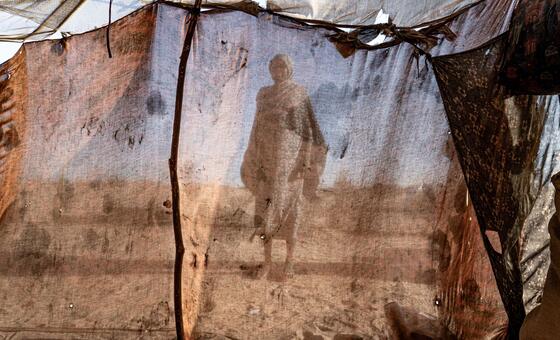
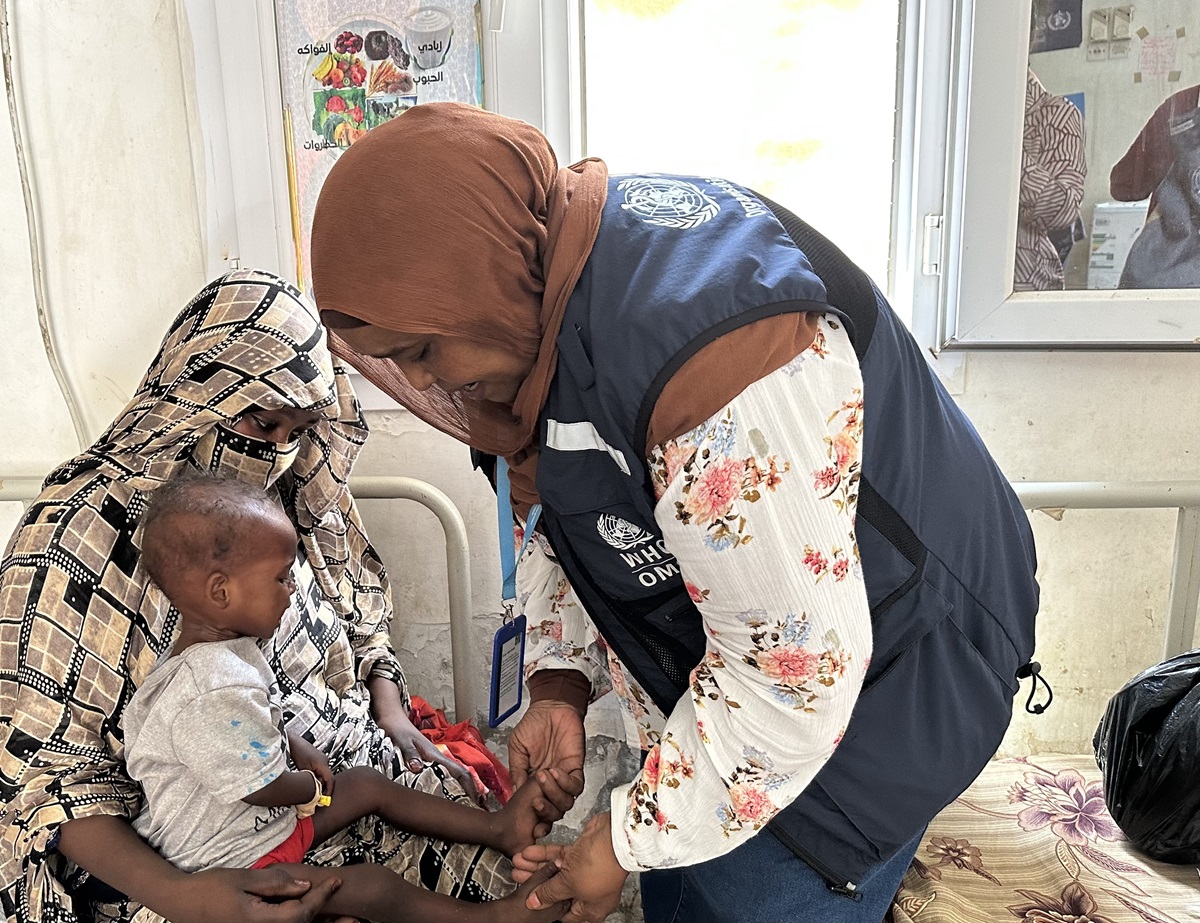
Today, the conflict in Sudan reaches its 1000th day, with over 20 million people requiring health assistance and 21 million desperately needing food.Nearly three years of continuous violence, severe access constraints, and reduced funding have turned Sudan into the worst humanitarian crisis globally. An estimated 33.7 million people will need humanitarian aid this year.The health system has been severely damaged by ongoing fighting, increasingly deadly attacks on health care, mass displacement, lack of essential medical supplies, and shortages of health personnel and funding. Despite sustained efforts by WHO and partners to restore and revive health services across the country, more than one third of health facilities (37%) remain non-functional, depriving millions of people of essential and lifesaving health services.Since the start of the conflict in April 2023, WHO has verified 201 attacks on health care, resulting in 1858 deaths and 490 injuries. These attacks, which violate international humanitarian law, undermine access to lifesaving care and put health care workers, patients and caregivers at grave risk.“One thousand days of conflict in Sudan have driven the health system to the brink of collapse. Under the strain of disease, hunger and a lack of access to basic services, people face a devastating situation,” said WHO Representative in Sudan, Dr Shible Sahbani. “WHO is doing what we can, where we can, and we know we are saving lives and rebuilding the health system. Despite the challenges, we are also working on recovery of the health system.”The level of displacement is unprecedented. An estimated 13.6 million people are currently displaced, making Sudan the largest displacement crisis in the world. Fueled by poor living conditions, overcrowding in displacement sites, disrupted health and water, sanitation and hygiene services, and a breakdown of routine immunization, disease outbreaks are spreading, compounding the crisis. WHO is currently supporting the response to outbreaks of cholera, dengue, malaria, and measles, with cholera being reported from all 18 states, dengue from 14 states, and malaria from 16 states. Access to preventive and curative care, including for the management of chronic conditions and severe malnutrition, remains limited.WHO works with Sudan’s Federal and State Ministries of Health and partners to improve access to critical health services across Sudan and rehabilitate the health system. Since the start of the conflict in April 2023, WHO has delivered 3378 metric tons of medicines and medical supplies worth about US$ 40 million, including diagnostic supplies, treatments for malnutrition, and diseases such as cholera, malaria, dengue, and emergency surgery, to 48 health partners for lifesaving operations. About 24 million people have received cholera vaccinations, and WHO has supported the country to introduce and scale up malaria vaccines. Additionally, more than 3.3 million people have accessed health care at WHO-supported hospitals, primary health care facilities, and temporary mobile clinics. More than 112 400 children with severe acute malnutrition with medical complications have received treatment at functional stabilization centres, all of which receive lifesaving WHO nutrition supplies. State and National public health laboratories have been equipped and strengthened to confirm disease outbreaks and enable a rapid response.“As the relentless conflict renders some areas inaccessible, particularly in the Darfur and Kordofan regions, the population’s health needs continue to increase,” Dr Sahbani said. “To meet these mounting needs and prevent the crisis from spiraling out of hand, WHO and humanitarian partners require safe and unimpeded access to all areas of Sudan, and increased financial resources.”Ultimately, WHO calls parties to the conflict to urgently work towards a ceasefire and peace for the people of Sudan. 

Read full article →