Medical News & Insights

Global and Chinese healthcare advancements at your fingertips

All News International China Medical Medical Breakthroughs
News Cover
WHO avr. 27, 2026

Efforts to eliminate hepatitis delivers gains but more action needed to meet 2030 targets

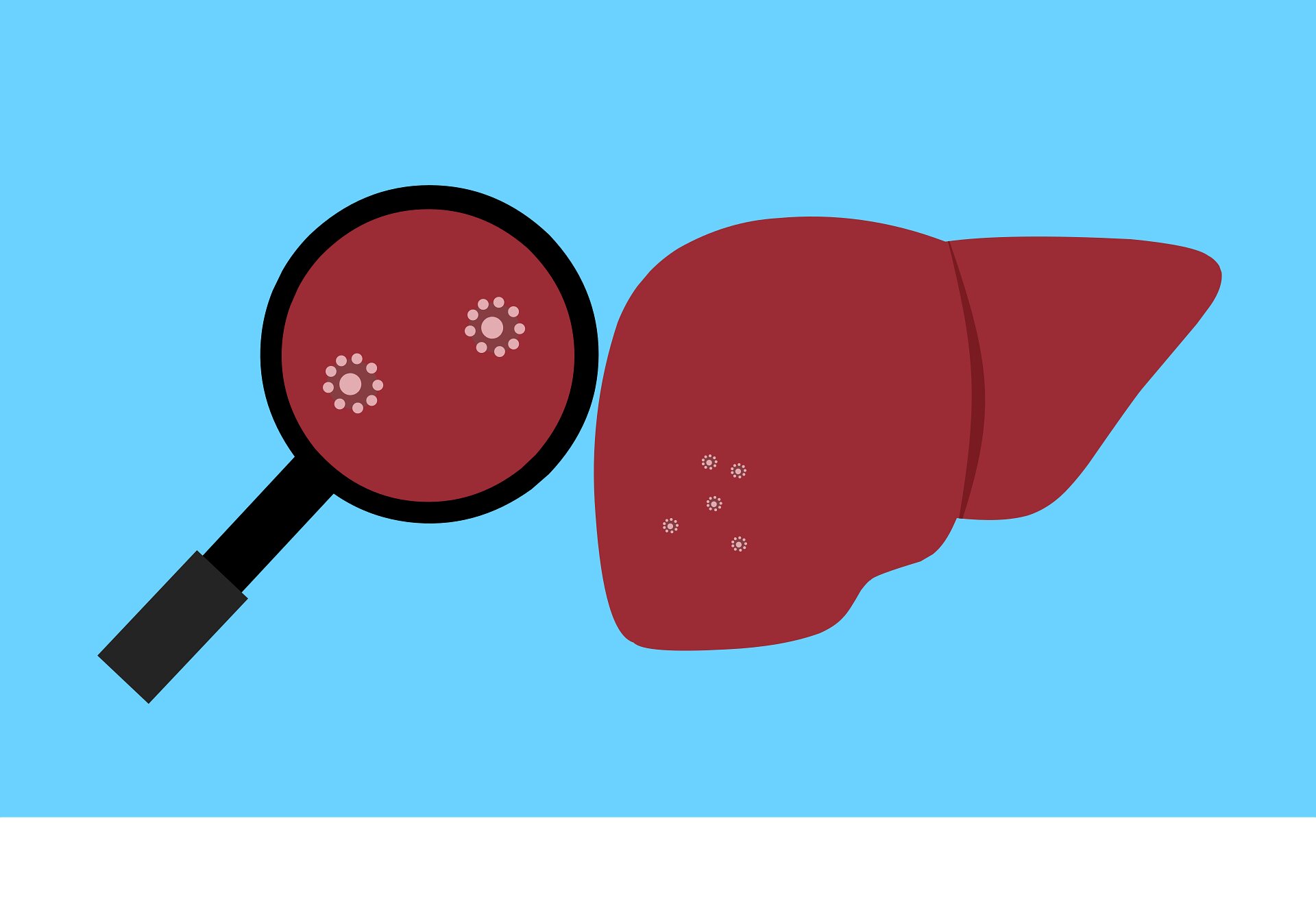
Global efforts to combat viral hepatitis are delivering measurable progress in reducing infections and deaths, but the disease remains a major global health challenge, according to a new World Health Organization (WHO) report released today at the World Hepatitis Summit.Viral hepatitis B and C – the two infections responsible for 95% of hepatitis-related deaths worldwide – claimed 1.34 million lives in 2024, the latest data show. At the same time, transmission continues, with more than 4900 new infections every day, or 1.8 million each year.The 2026 Global hepatitis report documents significant gains made since 2015. The annual number of new hepatitis B infections has dropped by 32% and hepatitis C-related deaths have fallen by 12% globally. Hepatitis B prevalence among children under five has also decreased to 0.6%, with 85 countries achieving or surpassing the 2030 target of 0.1%.These achievements reflect the impact of sustained, coordinated global and national action following the adoption of WHO viral hepatitis elimination targets by Member States at the World Health Assembly in 2016. However, the report warns that current rates of progress are insufficient to meet all 2030 elimination targets, underscoring the urgent need to accelerate prevention, testing, and treatment efforts worldwide.“Around the world, countries are showing that eliminating hepatitis is not a pipedream, it's possible with sustained political commitment, backed by reliable domestic financing,” said Dr Tedros Adhanom Ghebreyesus, WHO Director-General. “At the same time, this report shows that progress is too slow and uneven. Many people remain undiagnosed and untreated due to stigma, weak health systems and inequitable access to care. While we have the tools to eliminate hepatitis as a public health threat, urgent scale-up of prevention, diagnosis and treatment is needed if the world is to meet the 2030 targets.”Global burden and gaps in responseUpdated WHO estimates indicate that 287 million people were living with chronic hepatitis B or C infection in 2024.That year, 0.9 million people were newly infected with hepatitis B. The WHO African Region accounted for 68% of new hepatitis B infections, yet only 17% of newborns in the region received the hepatitis B birth-dose vaccination.A further 0.9 million hepatitis C infections were recorded in 2024. People who inject drugs accounted for 44% of new infections, highlighting the urgent need for stronger harm reduction services and safe injection practices.Of the 240 million people with chronic hepatitis B in 2024, fewer than 5% were receiving treatment. Only 20% of people with hepatitis C have been treated since 2015, when a new 12-week treatment with a cure rate of about 95% became available.As a result of limited access to prevention and care, in 2024 an estimated 1.1 million people died from hepatitis B and 240 000 from hepatitis C. Liver cirrhosis and hepatocellular carcinoma were the main causes of hepatitis related deaths. A large share of hepatitis B-related deaths occurred in the African and Western Pacific Regions.Ten countries – Bangladesh, China, Ethiopia, Ghana, India, Indonesia, Nigeria, the Philippines, South Africa and Viet Nam – accounted for 69% of hepatitis B related deaths worldwide in 2024. Hepatitis C-related deaths are more geographically dispersed. In 2024, ten countries accounted for 58% of the global total: China, India, Indonesia, Japan, Nigeria, Pakistan, the Russian Federation, South Africa, the United States of America and Viet Nam.Proven solutionsDespite these challenges, progress in countries such as Egypt, Georgia, Rwanda, and the United Kingdom demonstrates that eliminating hepatitis as a public health problem is achievable with sustained commitment and investment.Highly effective tools are already available:hepatitis B vaccine protects more than 95% of vaccinated people against both acute and chronic infections;long-term antiviral treatment for hepatitis B can help effectively manage chronic infection and prevent severe liver disease; and hepatitis C short-course curative therapy lasting 8-12 weeks can cure more than 95% of infections.“The data shows that progress is possible but also reveals where we are falling short. Every missed diagnosis and untreated infection due to chronic viral hepatitis represents a preventable death,” said Dr Tereza Kasaeva, Director, WHO Department for HIV, TB, Hepatitis and Sexually Transmitted Infections. “Countries must move faster to integrate hepatitis services for people living with hepatitis B and C into primary care, and to reach the communities most affected.”The report identifies priority actions to accelerate hepatis elimination as a public health threat. These include scaling up treatment for chronic hepatitis B infection, particularly in the WHO African and Western Pacific regions, and expanding access to hepatitis C treatment in the WHO Eastern Mediterranean Region.It also calls for stronger political commitment and financing, improved coverage of hepatitis B birth-dose vaccination and expanded antiviral prophylaxis to prevent mother-to-child transmission of HBV infection, particularly in the WHO African Region. In addition, the report emphasizes the need to improve injection safety in both health-care settings and community practices, including through strengthened harm reduction services for people who inject drugs. 

Read full article →
News Cover
WHO avr. 27, 2026

Practicing today for tomorrow’s emergencies – WHO convenes countries and partners to simulate response to major disease outbreak

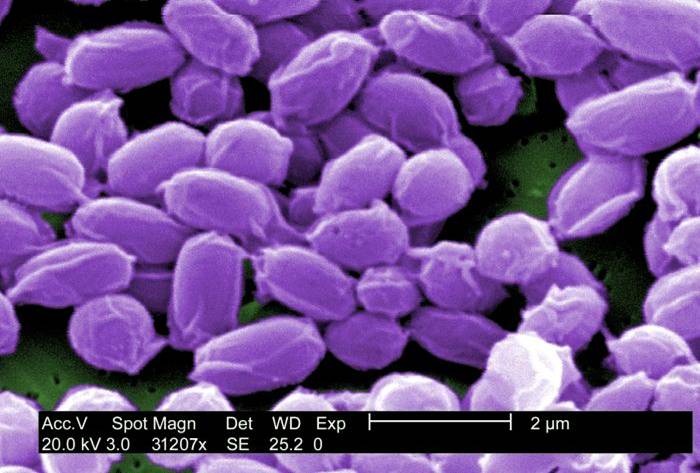
The World Health Organization (WHO) wrapped up Exercise Polaris II, a 2-day high-level simulation exercise, based around an outbreak of a fictional new bacterium spreading across the world. Bringing together 26 countries and territories, 600 health emergency experts and over 25 partners, the exercise, which took place on 22 and 23 April, allowed countries to test their preparedness for pandemics and other major health emergencies, including activating their emergency workforce structures, information flow and coordination with each other, partners and WHO.Building on the success of Polaris I held in April 2025, which centered on a fictional virus, each participating country activated its emergency coordination structure and worked under real-life conditions to share information, align policies and surge their workforce.“Exercise Polaris II showed what is possible when we act together. It demonstrated that global cooperation is not optional – it is essential,” said Dr Tedros Adhanom Ghebreyesus, WHO Director-General. “This is the purpose of the Global Health Emergency Corps: coordination across the emergency workforce, building trust, strengthening connections, and working as one across borders.”The simulation put two key WHO frameworks into practice, the Global Health Emergency Corps (GHEC) framework and the National health emergency alert and response framework, and explored the use of AI-enabled tools to support workforce organization and planning.The GHEC framework, published in June 2025, provides guidance on how countries can strengthen their health workforce to respond to emergencies based on the principles of sovereignty, equity and solidarity. It improves collaboration between countries by supporting information exchange and strengthening the deployment of regional and global emergency personnel when needed.The National health emergency alert and response framework, published in October 2025 outlines the key functions, coordination systems and actions needed for an effective response at local, sub-national and national levels.“By simulating the spread of a dangerous pathogen under real-life conditions, Exercise Polaris II helped us turn existing plans into action. It is not enough to have plans on paper – what matters is how they perform in practice,” said Edenilo Baltazar Barreira Filho, Director of the Public Health Emergencies Department, Ministry of Health, Brazil. The exercise also provided an opportunity to practice a coordinated provision of technical expertise and surge support to countries from over 25 national, regional and global health agencies and organizations, including Africa Centres for Disease Control and Prevention, the International Federation of Red Cross and Red Crescent Societies, Médecins Sans Frontières, Robert Koch Institute, UK-Med, UNICEF, and emergency networks such as the Global Outbreak Alert and Response Network, the Emergency Medical Teams initiative, Standby Partners, and the International Association of National Public Health Institutes.“Exercise Polaris II showed what it looks like when countries are prepared and ready to act together,” said Dr Chikwe Ihekweazu, Executive Director of WHO’s Health Emergencies Programme. “This reflects the spirit of the Global Health Emergency Corps: a well-organized, trained, coordinated and connected emergency workforce ready to respond wherever and whenever it is needed.”The second edition of the exercise saw a larger number of countries participate and collaborate through new networks such as the recently launched Health Emergency Leaders Network for Africa and the Eastern Mediterranean.Exercise Polaris II is part of HorizonX, WHO’s forward-looking, multi-year simulation exercise programme. It provides a vital platform to operationalize and practice emergency frameworks under real-life conditions, ensuring that collective readiness is not a periodic effort, but a continuous investment in global health security. Note to editorsParticipating countries and territories covering all WHO regions included Bangladesh, Brazil, Brunei, Colombia, Egypt, El Salvador, France, Georgia, Ghana, India, Indonesia, Jordan, Kenya, Kosovo*, Libya, Malaysia, Nepal, Oman, Paraguay, Philippines, Qatar, Republic of Congo, Rwanda, Suriname, Thailand, and Yemen.*All references to Kosovo on this page should be understood to be in the context of the United Nations Security Council resolution 1244 (1999).About WHODedicated to the well-being of all people and guided by science, the World Health Organization leads and champions global efforts to give everyone, everywhere an equal chance at a safe and healthy life. We are the United Nations’ agency for health that connects nations, partners and people on the front lines in 150+ locations – leading the world’s response to health emergencies, preventing disease, addressing the root causes of health issues and expanding access to medicines and health care. Our mission is to promote health, keep the world safe and serve the vulnerable.  “Together for health. Stand with science”, the theme of World Health Day 2026 marks a year-long campaign to highlight science as the foundation for protecting health and well-being worldwide. 

Read full article →
News Cover
WHO avr. 24, 2026

WHO prequalifies first-ever malaria treatment for newborns and infants, adds new diagnostic tests

Ahead of World Malaria Day on 25 April, the World Health Organization (WHO) has announced a significant step forward in the fight against malaria with the prequalification of the first treatment developed specifically for newborns and young infants weighing between two and five kilograms. The prequalification designation indicates that the medicine meets international standards of quality, safety and efficacy, and will help to expand access to quality-assured treatment for one of the most underserved patient groups.The newly prequalified treatment, artemether-lumefantrine, is the first antimalarial formulation designed specifically for the youngest malaria patients. Until now, infants with malaria have been treated with formulations intended for older children, which increase the risk of dosing errors, side effects and toxicity. WHO prequalification will enable public sector procurement, contributing to closing a long-standing treatment gap for some 30 million babies born each year in malaria-endemic areas of Africa."For centuries, malaria has stolen children from their parents, and health, wealth and hope from communities," said Dr Tedros Adhanom Ghebreyesus, WHO Director-General. "But today, the story is changing. New vaccines, diagnostic tests, next-generation mosquito nets and effective medicines, including those adapted for the youngest, are helping to turn the tide. Ending malaria in our lifetime is no longer a dream – it is a real possibility, but only with sustained political and financial commitment. Now we can. Now we must."New prequalified testsOn 14 April 2026, WHO also prequalified three new rapid diagnostic tests (RDTs) designed to address emerging diagnostic challenges for malaria. The most common malaria RDTs for P.falciparum parasite work by detecting the protein, known as HRP2. But based on reported studies and surveys in 46 countries, some strains of the malaria parasite have lost the gene that makes this protein – so they become "invisible" to HRP2-based RDTs, leading to false-negative results. In countries in the Horn of Africa, up to 80% of cases were missed, leading to delayed treatment, severe illness, and even death.The new tests address this issue by targeting a different parasite protein (pf-LDH) that the malaria parasite cannot easily shed. They provide a reliable, quality-assured alternative where HRP2-based tests are failing. WHO now recommends that countries switch to these alternative RDTs when more than 5% of cases are missed due to pf-hrp2 deletions. This ensures accurate diagnosis, appropriate treatment, and protects hard-won malaria control gains – especially for the most vulnerable communities.The announcements come as WHO and partners launch the 2026 World Malaria Day campaign, "Driven to End Malaria: Now We Can. Now We Must." The theme is a rallying cry to seize the moment – to protect lives now and fund a malaria-free future.According to the World malaria report 2025, there were an estimated 282 million cases and 610 000 deaths in 2024 – an increase from 2023. While 47 countries have been certified malaria-free and 37 countries reported fewer than 1000 cases in 2024, progress at the global level is stalling. Gains are at risk due to multiple challenges, including drug resistance, insecticide resistance, diagnostic failure, and severe reductions in international development assistance.Despite these challenges, substantial progress has been made, with an estimated 2.3 billion malaria infections prevented and 14 million lives saved worldwide since 2000.Twenty-five countries are now rolling out malaria vaccines, protecting millions of children, and next-generation mosquito nets make up 84% of all new nets distributed. These advances demonstrate what is possible when all partners work together to innovate and deliver on the promises towards ending malaria for all. About WHODedicated to the well-being of all people and guided by science, the World Health Organization leads and champions global efforts to give everyone, everywhere an equal chance at a safe and healthy life. We are the UN agency for health that connects nations, partners and people on the front lines in 150+ locations – leading the world’s response to health emergencies, preventing disease, addressing the root causes of health issues and expanding access to medicines and health care. Our mission is to promote health, keep the world safe and serve the vulnerable.“Together for health. Stand with science”, the theme of World Health Day 2026 marks a year-long campaign to highlight science as the foundation for protecting health and well-being worldwide. 

Read full article →
News Cover
WHO avr. 23, 2026

Largest catch-up initiative delivers over 100 million childhood vaccinations

The Big Catch-Up, launched during World Immunization Week 2023, has delivered over 100 million vaccine doses to an estimated 18.3 million children across 36 countriesAround 12.3 million were “zero-dose children” who had not previously received any vaccines and 15 million who had never received a measles vaccine. The initiative concluded in March 2026 and is on track to meet its target of catching up 21 million children – but agencies warn that many infants still miss out on lifesaving vaccines through routine immunization every year.The Big Catch-Up (BCU), a historic multi-year, multi-country effort to address vaccination declines driven largely by the COVID-19 pandemic, has reached an estimated 18.3 million children aged 1 to 5 across 36 countries with more than 100 million doses of life-saving vaccines, helping to narrow critical immunity gaps, announced Gavi, the Vaccine Alliance (Gavi), WHO, and UNICEF at the start of World Immunization Week.Of the 18.3 million children reached between 2023 and 2025, an estimated 12.3 million were “zero-dose children” who had not yet received a vaccine and 15 million had never received a measles vaccine. BCU also provided 23 million doses of inactivated polio vaccine (IPV) to un- and under-vaccinated children, an essential intervention to reach polio eradication. Programme implementation concluded on 31 March 2026. Although final data is still being compiled, the global initiative is forecasted to be on track to meet its target of reaching at least 21 million un- and under-immunized children.However, agencies warn that while catch-up vaccination is an important strategy for closing immunisation gaps, expanding the reach of routine immunization programmes remains the most effective and sustainable way to protect children and prevent outbreaks of vaccine-preventable diseases.Addressing the vaccine equity gapBeyond pandemic recovery, the BCU initiative focused on closing the vaccine equity gap. Millions of children every year miss the essential vaccinations they should receive before the age of one. Most of them live in fragile, conflict-affected, or underserved communities and are never caught up as they grow older.The 36 participating BCU countries across Africa and Asia currently account for 60% of all zero-dose worldwide. Pandemic-related immunisation programme disruptions exacerbated this issue, and, in these countries, added millions more zero-dose children to those who already chronically miss out. To address this issue, the Big Catch-Up looked beyond infant immunization, for the first-time ever systematically leveraging routine immunisation systems to make deep inroads into the accumulated global cohort of older children between the ages of 1 to 5 – “older” because they should have received critical routine vaccines before the age of 1 – who remain vulnerable due to missed vaccinations.BCU catalysed long-lasting systems to identify, screen, vaccinate and monitor coverage rates in these older children – including updates to policies on age eligibility. Countries also oriented and trained health workers to identify, screen and vaccinate missed children as part of routine care and engaged with communities and civil society to support catch-up efforts. By expanding the reach of immunization to millions of previously missed children and their communities, and investing in systemic improvements, the BCU drive has made it easier for the countries to ensure these populations and others like them continue to receive essential health and immunization services in the future.Among the participating countries, 12 countries (Burkina Faso, Democratic People’s Republic of Korea, Ethiopia, Kenya, Madagascar, Mauritania, Niger, Pakistan, Somalia, Togo, United Republic of Tanzania, and Zambia) reported reaching more than 60% of all zero-dose children under the age of 5 who had previously missed DTP1. In Ethiopia, more than 2.5 million previously zero-dose children received DTP1. The country also delivered nearly 5 million doses of IPV and more than 4 million doses of measles vaccine, among other key vaccines, to un- and under-vaccinated children. Countries outside this group also reached large numbers of children. In Nigeria, for example, 2 million previously zero-dose children were reached with DTP1, and 3.4 million doses of IPV were administered alongside millions of doses of other vaccines.While these 36 countries received Gavi funding and technical assistance from WHO and UNICEF through BCU, many other countries also implemented activities during this period to accelerate efforts to catch-up missed children and recover immunisation services following pandemic-related backsliding.“As the largest ever international effort to reach missed children with life-saving vaccines, the Big Catch-Up shows what is possible when governments, partners and communities work together to protect the most vulnerable in society,” said Dr Sania Nishtar, CEO of Gavi, the Vaccine Alliance. “Thanks to this accomplishment, not only are millions of children now protected from preventable diseases but so are their communities, for generations to come.” "By protecting children who missed out on vaccinations because of disruptions to health services caused by COVID-19, the Big Catch-Up has helped to undo one of the pandemic's major negative consequences," said Dr Tedros Adhanom Ghebreyesus, Director-General of the World Health Organization. “The success of the Big Catch-Up is a testament to health workers and national immunization programmes, which are now better equipped to find and vaccinate children missed by routine services."   "Vaccinations save lives,” said UNICEF Executive Director Catherine Russell.  “This initiative shows what's possible when countries have the resources, tools, and political will to reach children with lifesaving vaccines. We've caught up with some of the children who missed routine vaccinations during the pandemic – but many more remain out of reach. The gains made through the Big Catch-Up must be sustained through investment in strong, reliable immunisation systems, especially at a time where measles is resurging."Looking at the challenges aheadThrough the Big Catch-Up, for the first time ever, countries and global partners successfully reached 12.3 million “older” zero dose children between the ages of 1 to 5. However, in 2024, an estimated 14.3 million infants under the age of one globally failed to receive a single vaccine through routine immunization programmes. Despite BCU demonstrating progress is possible with leadership and targeted investment and support, lowering this annual number of infants who miss out will require building systems that consistently reach the hardest to reach communities – against a backdrop of rising birth cohorts, conflict and displacement, funding cuts, and strained health systems.The consequences of chronic gaps in routine immunisation are plain to see. Measles outbreaks, for example, are rising in every region with around 11 million cases in 2024, and the number of countries facing large outbreaks has almost tripled since 2021. This surge is driven by persistent gaps in measles vaccination through routine immunization programmes, compounded by declining vaccine confidence in some previously high-coverage communities.Large-scale catch-up efforts are resource intensive and should serve only as a gap-filling measure that is complementary to routine immunization. Timely vaccination according to national immunisation schedules provides optimal protection and continues to be the most sustainable way to safeguard children and communities.For every generation, vaccines workWHO, UNICEF, and Gavi, along with countries and communities, are marking World Immunization Week (24–30 April 2026) with a joint campaign, "For every generation, vaccines work," calling on countries to sustain and expand vaccination coverage at every age. At the midpoint of the Immunisation Agenda 2030 (IA2030), and central to Gavi's 2026–2030 strategy (Gavi 6.0), the priority remains the same: reaching zero-dose children and advancing equity in the hardest-to-reach communities, particularly in countries grappling with conflict, instability, or fragile health systems. Maintaining that momentum will require expanding long-term domestic investments in immunization programmes and reliable commitments from partners and donors. Notes to editorsUseful linksPhotos and broll - UNICEFWHO catch up immunisationThe Big Catch-Up: An Essential Immunisation Recovery Plan for 2023 and BeyondAbout Gavi, the Vaccine AllianceGavi, the Vaccine Alliance is a public-private partnership that helps vaccinate more than half the world’s children against some of the world’s deadliest diseases. The Vaccine Alliance brings together developing country and donor governments, the World Health Organization, UNICEF, the World Bank, the vaccine industry, technical agencies, civil society, the Gates Foundation and other private sector partners. View the full list of donor governments and other leading organisations that fund Gavi’s work here.Since its inception in 2000, Gavi has helped to immunise a whole generation – over 1.2 billion children – and prevented more than 20.6 million future deaths, helping to halve child mortality in 78 lower‑income countries. Gavi also plays a key role in improving global health security by supporting health systems as well as funding global stockpiles for Ebola, cholera, meningococcal and yellow fever vaccines. After two decades of progress, Gavi is now focused on protecting the next generation, above all the zero-dose children who have not received even a single vaccine shot. The Vaccine Alliance employs innovative finance and the latest technology – from drones to biometrics – to save lives, prevent outbreaks before they can spread and help countries on the road to self-sufficiency. Learn more at www.gavi.org and connect with us on Bluesky, Facebook, Instagram, LinkedIn, TikTok, X and YouTube.About UNICEFUNICEF, the United Nations agency for children, works to protect the rights of every child, everywhere, especially the most disadvantaged children and in the toughest places to reach. Across more than 190 countries and territories, we do whatever it takes to help children survive, thrive, and fulfil their potential. For more information about UNICEF and its work, please visit: www.unicef.org Follow UNICEF on X (Twitter), Facebook, Instagram, and YouTubeAbout WHODedicated to the health and well-being of all people and guided by science, the World Health Organization leads and champions global efforts to give everyone, everywhere, an equal chance at a safe and healthy life. We are the UN agency for health. We connect nations, partners and people on the front lines in 150+ locations – leading the world’s response to health emergencies, preventing disease, addressing the root causes of health issues and expanding access to medicines and health care. Our mission is to promote health, keep the world safe and serve the vulnerable. www.who.int     

Read full article →
News Cover
WHO avr. 23, 2026

WHO reports measurable health impact in 2025 amid transition to new strategy

The World Health Organization (WHO) today released its Results Report, highlighting measurable improvements in people’s health worldwide in 2025, despite funding cuts affecting both the organization and the broader global health sector.Published at a pivotal moment for global health, the Results Report demonstrates that WHO’s impact was strongest in areas where its technical leadership and comparative advantage were fully leveraged.The report finds significant progress across all three “Triple Billion” targets under WHO’s Thirteenth General Programme of Work (GPW13) for 2019–2025.an estimated 567 million additional people were covered by essential health services without experiencing catastrophic health spending in 2025, compared with the baseline in 2018 – an increase of 136 million since 2024;an estimated 698 million additional people were better protected from health emergencies in 2025, compared with the baseline in 2018 – an increase of 61 million since 2024; andan estimated 1.75 billion additional people living healthier lives in 2025, compared with the baseline in 2018 – an increase of 300 million since 2024.Despite this progress, the report cautions that important ambitions remain unmet, leaving with the world off track to meet the health-related Sustainable Development Goals by 2030.Nevertheless, this final snapshot under GPW 13 provides clear evidence of the value of a strong and sustainably financed WHO, reflecting enduring collaboration between WHO and its Member States at global, regional and country levels.“The Results Report 2025 shows that with support from WHO and partners, countries have delivered tangible benefits for millions of people,” said Dr Tedros Adhanom Ghebreyesus, WHO Director-General. “At the same time, these gains cannot be taken for granted. Protecting and expanding them will require sustained support and investment, so that together we can continue advancing the vision set out in WHO’s Constitution: the highest attainable standard of health as a right for all.”The WHO Results Report is released annually ahead of the World Health Assembly to assess progress and review achievements and challenges in implementing WHO’s programme budget.Compared with previous editions, the 2025 report features stronger evidence-based reporting and clearer prioritization across country, regional and global levels, providing a more data-driven picture of where progress has been made and where further effort is needed. The full report will be presented by the Director-General at the Seventy-ninth World Health Assembly (18–23 May 2026).Significant impact and areas of improvementThis latest Results Report shows meaningful – but incomplete – progress across 46 outcome indicators and 121 output indicators that are specifically focused on the performance of the WHO Secretariat. These indicators are aligned with the 2030 Agenda for Sustainable Development reflecting joint accountability between WHO and its Member States.Overall, approximately half of the output indicators were not achieved, particularly in emergency-prone and resource-constrained settings. For all three targets, financial pressures and WHO’s realignment process had several immediate consequences, such as reduced human resource capacity for delivery, limited technical support, and slowing programme implementation.Progress towards universal health coverage was driven by expanded coverage of services for communicable diseases, including HIV and tuberculosis, prevention of bacterial diseases through improved sanitation and an expanding health workforce. However, gaps persist in areas such as diabetes management, measles surveillance and financial protection.Progress under protection from health emergencies reflects advances in pandemic preparedness, early warning systems, prevention and response capacity. These gains were supported in part by the adopted Pandemic Agreement and the revised International Health Regulations. Areas requiring complex implementation – such as disease detection, emergency response, and polio eradication and transition – remain more challenging, reflecting constraints in country capacity, financing and operations.Progress towards better health and well-being was driven by improvements in access to clean household energy, water, sanitation and hygiene, and reductions in air pollution, tobacco use and alcohol consumption. WHO’s global guidance, technical tools, standards and networks played a significant role in supporting these achievements.Examples of achievements in 2025The Results Report highlights several areas where WHO’s technical leadership and convening role delivered clear impact:antimicrobial resistance: expanded surveillance and evidence generation through the Global Antimicrobial Resistance and Use Surveillance System (GLASS), for policy-decision making;mental health: strengthened emergency mental health and psychosocial support systems, increasing country coverage from 28% to 48%;HPV vaccination: expanded vaccine coverage with simplified single-dose schedules, raising global coverage from 17% in 2019 to 31% in 2024;pandemic preparedness: adoption of the Pandemic Agreement and amendments to the International Health Regulations (IHR), to ensure that the world is better prepared for future pandemics;humanitarian response: responded to 66 emergencies across 88 countries in 2025; delivering for instance 33 million medical consultations through health partners in Gaza.environmental health: updated global air pollution roadmap to cut deaths attributed to poor air quality by 50% by 2040; andOne Health: strengthened high-level engagement and multisectoral dialogue and collaboration through the Quadripartite partnership, to better protect people, animals and the planet from future health crises.Looking aheadThe report notes that a large share of WHO’s funding remains highly earmarked for specific thematic areas, which continues to limit strategic allocation in line with organizational priorities.As the global financial landscape becomes more constrained, sustained and flexible financing will be essential to safeguard health gains, reduce persistent inequities, and enable WHO to deliver on its mandate – particularly in countries and communities most in need – for a healthier, safer, and fairer world for all.Editor’s noteEstablished under GPW 13, WHO’s Triple Billion targets aimed to ensure that, by the end of 2025 compared with 2018 levels, one billion more people benefit from universal health coverage; one billion more people are better protected from health emergencies; and one billion more people enjoy better health and well-being. 

Read full article →
News Cover
WHO avr. 22, 2026

WHO certifies the Bahamas for eliminating mother-to-child transmission of HIV

In a landmark achievement for Caribbean public health, the World Health Organization (WHO) congratulates The Bahamas for becoming the latest Caribbean nation to be certified as having eliminated the mother-to-child transmission of HIV.“I congratulate The Bahamas on this outstanding achievement, which solidifies years of political commitment, and the dedication of health workers,” said Dr Tedros Adhanom Ghebreyesus, WHO Director-General. “By ensuring that children are born free of HIV, we are securing a healthier, brighter future for the next generation.”“This achievement reflects sustained political commitment and strong national leadership, alongside the dedication and compassion of the health workforce,” said Dr Jarbas Barbosa, Director of the Pan American Health Organization (PAHO) and WHO Regional Director for the Americas. “As we look ahead, this milestone is not only a moment of national pride but also an opportunity to build on this success, advancing efforts to end HIV and other communicable diseases as public health threats across the Caribbean and the Americas.”Foundations of successThe Bahamas achieved this milestone by pioneering a comprehensive and inclusive health-care model. Key to this success has been the provision of universal antenatal care to all pregnant women, regardless of nationality or legal status, across both public and private facilities. This approach is supported by a strong, integrated laboratory network and a rigorous testing protocol that screens women at their first antenatal appointment and again in the third trimester.Elimination of mother-to-child transmission (EMTCT) interventions in The Bahamas are fully integrated into antenatal care standards and norms and implemented under the Maternal and Child Health (MCH) programme. MCH coordinates with the National Infectious Disease Programme, which oversees the prevention and treatment of HIV and other sexually transmitted infections (STI). This includes the introduction of pre-exposure prophylaxis (PrEP) for HIV prevention, also offered to pregnant women. To ensure continuity of care, the health system maintains adequate monitoring for HIV-positive mothers and exposed infants, provides multi-month dispensing of antiretroviral medicines, and offers STI treatment and family planning services free of charge.“For years, The Bahamas have been working very hard to address the situation of HIV/AIDS,” said Dr Michael Darville, Minister of Health and Wellness of The Bahamas. “A lot of people have been involved in us achieving this great milestone – our nurses in our public health system, our nurses and doctors in our tertiary health-care system and, by extension, all of the clinics spread throughout our archipelago.”From Cuba, the first country in the world to be certified, and Brazil – certified last year, The Bahamas now joins a prestigious group of 12 countries and territories in the Region of the Americas at the forefront of the EMTCT movement. The Bahamas will continue efforts to sustain these standards through integrated primary care and continuous surveillance.The road to eliminationTo receive WHO certification, countries must prove they have sustained the following:reducing the mother-to-child transmission rate of HIV to less than 2%;achieving fewer than 5 new pediatric HIV infections per 1000 live births; andmaintaining 95% or higher coverage for antenatal care, HIV testing, and treatment for pregnant women.“Latin America and the Caribbean has long been a beacon of progress in this global effort. From Cuba – the first country in the world to be certified – to Brazil’s certification last year, and now to The Bahamas, the region continues to lead with ambition and determination. Today, more than half of all countries and territories that have achieved elimination are from this region. This is a legacy of leadership that inspires the world,” said Anurita Bains, Global Associate Director for HIV/AIDS at UNICEF.“The Bahamas are showing that eliminating mother-to-child transmission HIV and other sexually transmitted infections is possible,” said Winnie Byanyima, UNAIDS Executive Director. “This achievement reflects political will for steady investment in primary health care and the work of health teams and people living with and most affected by HIV. When women can test early in pregnancy, start treatment quickly, and stay in care, every child has a better chance of being born free of HIV and other STIs.”The Bahamas’ success is part of the broader EMTCT Plus Initiative, which aims to eliminate mother-to-child transmission of HIV, syphilis, hepatitis B, and congenital Chagas disease. Implemented in collaboration with UNICEF and UNAIDS, the initiative is embedded within PAHO’s Elimination Initiative, a regional effort to eliminate more than 30 communicable diseases and related conditions in the Americas by 2030.

Read full article →
News Cover
WHO mars 17, 2026

Les progrès dans la réduction des décès d’enfants ralentissent alors que 4,9 millions d’enfants meurent avant l’âge de cinq ans

On estime que 4,9 millions d'enfants sont morts avant leur cinquième anniversaire en 2024, dont 2,3 millions de nouveau-nés, selon de nouvelles estimations publiées aujourd'hui. La plupart de ces décès pourraient être évités grâce à des interventions éprouvées et peu coûteuses et à un accès à des soins de santé de qualité. Selon le rapport - Niveaux et tendances de la mortalité infantile - Dans le monde, les décès d'enfants de moins de cinq ans ont diminué de plus de moitié depuis 2000. Cependant, depuis 2015, le rythme de réduction de la mortalité infantile a ralenti de plus de 60 pour cent. pour la première fois - intègre pleinement les estimations sur les causes de décès.*Pour la première fois, le rapport estime les décès directement causés par la malnutrition aiguë sévère (MAS), constatant que plus de 100 000 enfants âgés de 1 à 59 mois - ou 5 pour cent - en sont décédés en 2024. Le bilan est bien plus lourd si l’on considère les effets indirects, car la malnutrition affaiblit l’immunité des enfants et augmente leur risque de mourir de maladies infantiles courantes. Les données sur la mortalité ne parviennent souvent pas non plus à prendre en compte la MAS comme cause sous-jacente de décès, ce qui suggère que le fardeau est probablement considérablement sous-estimé. Parmi les pays où le nombre de décès directs est le plus élevé figurent le Pakistan, la Somalie et le Soudan. Les décès de nouveau-nés représentent près de la moitié de tous les décès d'enfants de moins de cinq ans, ce qui reflète des progrès plus lents dans la prévention des décès au moment de la naissance. Les principales causes chez les nouveau-nés étaient les complications liées à une naissance prématurée (36 pour cent) et les complications pendant le travail et l'accouchement (21 pour cent). Les infections, notamment la septicémie néonatale et les anomalies congénitales, étaient également des causes importantes. Au-delà du premier mois, les maladies infectieuses telles que le paludisme, la diarrhée et la pneumonie étaient des causes majeures de mortalité. Le paludisme reste la principale cause de mortalité dans ce groupe d'âge (17 %). la plupart des décès se produisant dans les zones endémiques d’Afrique subsaharienne. Après de fortes baisses entre 2000 et 2015, les progrès vers la réduction de la mortalité due au paludisme ont ralenti ces dernières années. Les décès restent concentrés dans une poignée de pays endémiques. comme le Tchad, la République démocratique du Congo, le Niger et le Nigeria - où les conflits, les chocs climatiques, les moustiques envahissants, la résistance aux médicaments et d’autres menaces biologiques continuent d’affecter l’accès à la prévention et au traitement. Les décès d’enfants restent fortement concentrés dans un petit nombre de régions. En 2024, l’Afrique subsaharienne représentait 58 pour cent de tous les décès d’enfants de moins de cinq ans. Dans la région, les principales maladies infectieuses sont responsables de 54 pour cent de tous les décès d’enfants de moins de cinq ans. En Europe et en Amérique du Nord, cette proportion tombe à 9 pour cent et en Australie et en Nouvelle-Zélande, elle chute encore à 6 pour cent. Ces disparités marquées reflètent un accès inégal à des interventions éprouvées qui sauvent des vies. En Asie du Sud, qui représente 25 pour cent de tous les décès d'enfants de moins de cinq ans, la mortalité était en grande partie due à des complications au cours du premier mois de vie - et donc à des complications. y compris l'accouchement prématuré, l'asphyxie/traumatisme à la naissance, les anomalies congénitales et les infections néonatales. Ces conditions largement évitables soulignent la nécessité urgente d’investir dans des soins prénatals de qualité, dans un personnel de santé qualifié à la naissance, dans les soins aux nouveau-nés de petite taille et malades et dans les services essentiels aux nouveau-nés. Les pays fragiles et touchés par un conflit continuent de supporter une part disproportionnée du fardeau. Les enfants nés dans ces contextes sont près de trois fois plus susceptibles de mourir avant leur cinquième anniversaire que ceux ailleurs. Le rapport révèle également qu'environ 2,1 millions d'enfants, d'adolescents et de jeunes âgés de 5 à 24 ans sont morts en 2024. Les maladies infectieuses et les blessures restent les principales causes chez les jeunes enfants, tandis que les risques évoluent à l'adolescence : l'automutilation est la principale cause de décès chez les filles âgées de 15 à 19 ans et les accidents de la route chez les garçons. Le paysage mondial du financement du développement exerce une pression croissante sur les programmes essentiels de santé maternelle, néonatale et infantile. Les enquêtes, les systèmes d’information sur la santé et les fonctions essentielles qui sous-tendent des soins efficaces ont tous besoin d’un financement durable non seulement pour protéger les progrès réalisés, mais aussi pour les accélérer. Les faits montrent que les investissements dans la santé infantile restent parmi les mesures de développement les plus rentables. Interventions éprouvées et à faible coût - tels que les vaccins, le traitement de la malnutrition aiguë sévère et les soins qualifiés à la naissance - livrer une partie de

Read full article →
News Cover
WHO mars 11, 2026

Le conflit aggrave la crise sanitaire au Moyen-Orient, selon l'OMS

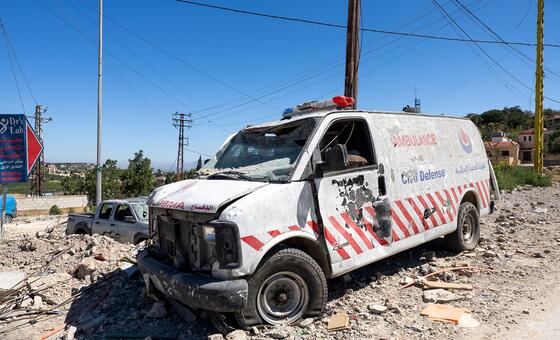
Plus de dix jours après le début de la dernière escalade du conflit au Moyen-Orient, les systèmes de santé de toute la Région sont mis à rude épreuve à mesure que les blessures et les déplacements augmentent, que les attaques contre les soins de santé se poursuivent et que les risques pour la santé publique augmentent. Les autorités sanitaires nationales en Iran signalent plus de 1 300 décès et 9 000 blessés, et au Liban, au moins 570 décès et plus de 1 400 blessés. En Israël, les autorités font état de 15 morts et 2 142 blessés. Dans le même temps, le conflit affecte les services mêmes censés sauver des vies. En Iran, l'OMS a vérifié 18 attaques contre les soins de santé depuis le 28 février, entraînant 8 décès parmi le personnel de santé. Au cours de la même période au Liban, 25 attaques contre les soins de santé ont fait 16 morts et 29 blessés. Ces attaques coûtent non seulement des vies, mais privent également les communautés de soins au moment où elles en ont le plus besoin. Les agents de santé, les patients et les établissements de santé doivent toujours être protégés par le droit international humanitaire. Au-delà de son impact immédiat, le conflit crée des risques plus larges pour la santé publique. Les estimations actuelles indiquent que plus de 100 000 personnes en Iran ont déménagé vers d’autres régions du pays en raison de l’insécurité, et jusqu’à 700 000 personnes ont été déplacées à l’intérieur du pays au Liban, dont beaucoup se trouvent dans des abris collectifs surpeuplés, dans des conditions de santé publique qui se détériorent, avec un accès limité à l’eau potable, à l’assainissement et à l’hygiène. Ces conditions augmentent le risque d'infections respiratoires, de maladies diarrhéiques et d'autres maladies transmissibles, en particulier pour les populations les plus vulnérables, comme les femmes et les enfants. Les risques environnementaux sont également une préoccupation croissante. En Iran, les incendies de pétrole et la fumée provenant des infrastructures endommagées ont exposé les communautés voisines à des polluants toxiques susceptibles de provoquer des problèmes respiratoires, des irritations des yeux et de la peau, ainsi que de contaminer l'eau et les sources alimentaires. L'accès aux services de santé est de plus en plus restreint dans plusieurs pays. Au Liban, 49 centres de soins de santé primaires et cinq hôpitaux ont été fermés suite aux ordres d'évacuation émis par l'armée israélienne, réduisant ainsi la disponibilité des services essentiels à mesure que les besoins médicaux augmentent. Dans le territoire palestinien occupé, les restrictions de mouvement accrues et la fermeture des points de contrôle retardent les ambulances et les cliniques mobiles. accès à plusieurs gouvernorats de Cisjordanie. À Gaza, les évacuations médicales restent suspendues depuis le 28 février, tandis que les hôpitaux continuent de fonctionner sous pression en raison de pénuries persistantes de médicaments, de fournitures médicales et de carburant, qui sont rationnés pour donner la priorité aux services de santé essentiels tels que les soins d'urgence et de traumatologie, les services maternels et néonatals et la gestion des maladies transmissibles. Les restrictions temporaires de l'espace aérien ont perturbé le mouvement des fournitures médicales depuis le centre logistique mondial de l'OMS à Dubaï. Plus de 50 demandes de fournitures d'urgence, destinées à bénéficier à plus de 1,5 million de personnes dans 25 pays, sont concernées, ce qui entraîne d'importants retards. Les expéditions prioritaires actuelles comprennent des fournitures prévues pour Al Arish, en Égypte, pour soutenir la réponse à Gaza, ainsi qu'au Liban et en Afghanistan. La première cargaison, contenant des fournitures de lutte contre le choléra pour le Mozambique, devrait quitter le centre dans la semaine à venir. Cette escalade survient à un moment où les besoins humanitaires dans la région de la Méditerranée orientale étaient déjà parmi les plus élevés au monde. Dans toute la région, 115 millions de personnes ont besoin d’une aide humanitaire ; près de la moitié de toutes les personnes dans le besoin dans le monde - tandis que les appels humanitaires d’urgence sanitaire restent sous-financés à 70 %. Sans protection des soins de santé, sans accès humanitaire durable et sans soutien financier et opérationnel plus fort à la réponse humanitaire en matière de santé, la pression sur les populations vulnérables et les systèmes de santé déjà fragiles continuera de croître. L'OMS appelle toutes les parties à protéger les civils et les soins de santé, à garantir un accès humanitaire sans entrave et durable et à poursuivre la désescalade du conflit afin que les communautés puissent commencer à se rétablir et à avancer vers la paix.

Read full article →
News Cover
WHO févr. 23, 2026

Les attaques contre les systèmes de santé ukrainiens ont augmenté de 20 % en 2025

Alors que l’Ukraine entre dans la cinquième année d’une guerre à grande échelle, sa population a subi le plus grand nombre d’attaques contre ses soins de santé en 2025. en hausse de près de 20 % par rapport à 2024. Depuis le début de la guerre à grande échelle le 24 février 2022, l'OMS a recensé au moins 2 881 attaques contre les soins de santé en Ukraine, affectant des agents de santé, des installations, des ambulances et des entrepôts médicaux. Les services de santé sont soumis à une pression intense sur deux fronts : les attaques directes contre les soins de santé et les effets en cascade des frappes sur les infrastructures civiles, notamment les centrales thermiques qui soutiennent le réseau électrique du pays. Celles-ci ont laissé de profondes lacunes dans la santé des gens. Selon une évaluation de l'OMS réalisée en décembre 2025, 59 % des habitants des zones de première ligne ont déclaré que leur santé était mauvaise ou très mauvaise, contre 47 % dans les zones situées hors ligne de front. « Après quatre années de guerre, les besoins de santé augmentent, mais de nombreuses personnes ne peuvent pas obtenir les soins dont elles ont besoin, en partie parce que les hôpitaux et les cliniques sont régulièrement attaqués », a déclaré le Dr Tedros Adhanom Ghebreyesus, directeur général de l'OMS. "L'OMS travaille aux côtés des agents de santé dévoués d'Ukraine pour fournir aux hôpitaux les moyens de rester au chaud et les médicaments sur lesquels les gens comptent le plus. En fin de compte, le meilleur remède est la paix." crise en Ukraine", a déclaré le Dr Hans Henri P. Kluge, directeur régional de l'OMS pour l'Europe. "Les besoins en matière de santé mentale sont énormes : 72 % des personnes interrogées ont souffert d'anxiété ou de dépression au cours de l'année écoulée, mais seulement une sur cinq a demandé de l'aide. Les maladies cardiovasculaires sont en plein essor : un Ukrainien sur quatre souffre d’une tension artérielle dangereusement élevée. Et 8 personnes sur 10 déclarent ne pas avoir accès aux médicaments dont elles ont besoin. Ce n'est pas abstrait - c'est un patient cardiaque qui ne trouve pas de médicaments contre l'hypertension, une personne amputée qui attend des mois une prothèse, un adolescent qui a trop peur pour quitter la maison. Le système de santé ukrainien a besoin de notre soutien continu. »Attaques contre les soins de santéAu cours d’une année marquée par l’espoir de pourparlers de paix, la réalité sur le terrain a été différente. Les attaques contre les soins de santé se sont intensifiées, atteignant un pic au troisième trimestre 2025, lorsque 184 attaques ont coûté la vie à 12 personnes et blessé 110 agents de santé et patients. Dans le même temps, les attaques contre les entrepôts médicaux ont triplé en 2025 par rapport à l’année précédente, perturbant la logistique et les chaînes d’approvisionnement essentielles à la fourniture de soins dans tout le pays. Au cours des quatre dernières années, 233 agents de santé et patients ont été tués et 930 blessés lors d'attaques contre les soins de santé. De telles attaques constituent des violations du droit international humanitaire.Impact de la destruction sur les services de santé essentielsCet hiver a été le plus rigoureux depuis le début de la guerre, avec de multiples frappes sur les infrastructures énergétiques laissant des millions de personnes sans chauffage, sans électricité et sans eau. De nombreuses centrales de production combinée de chaleur et d'électricité en Ukraine ont été endommagées ou détruites. Rien qu'à Kiev, une attaque en janvier 2026 a laissé près de 6 000 bâtiments sans chauffage dans des conditions glaciales, poussant environ 600 000 habitants à fuir la capitale. "La prochaine attaque recommence. Derrière chacune de ces pannes de système se cachent des familles, des résidents âgés et des agents de santé qui doivent continuer à sauver des vies alors que leurs propres maisons sont sans chauffage, sans eau ni électricité. L'épuisement professionnel après quatre années de guerre est immense et la demande de soins de santé n'a jamais été aussi élevée", a déclaré le Dr Jarno Habicht, représentant de l'OMS en Ukraine. L'impact ne s'arrête pas à la porte de l'hôpital. Les nouvelles mères qui ont accouché après avoir accouché, les patientes qui se remettent de blessures ou de crises cardiaques, et celles qui attendent ou se remettent d'une opération chirurgicale critique contre le cancer rentrent chez elles dans des appartements sans chauffage, électricité ou eau courante. Les soins qui commencent dans un hôpital fonctionnel sont compromis lorsque les patients se rétablissent dans des maisons glaciales et sombres, transformant le progrès médical en une lutte quotidienne pour la survie. Des besoins de santé croissants L'augmentation des traumatismes liés à la guerre a entraîné une demande croissante de soins de santé

Read full article →
News Cover
WHO févr. 05, 2026

Plus de quatre millions de filles risquent toujours de subir des mutilations génitales féminines : les dirigeants de l'ONU appellent à un engagement et à des investissements durables pour mettre fin aux MGF

Déclaration conjointe du Directeur exécutif de l'UNFPA, du Directeur exécutif de l'UNICEF, du Haut-Commissaire des Nations Unies aux droits de l'homme, du Directeur exécutif d'ONU Femmes, du Directeur général de l'OMS et du Directeur général de l'UNESCO à l'occasion de la Journée internationale de tolérance zéro à l'égard des mutilations génitales féminines. Rien qu'en 2026, environ 4,5 millions de filles - beaucoup ont moins de cinq ans - risquent de subir une mutilation génitale féminine (MGF). Actuellement, plus de 230 millions de filles et de femmes vivent avec ses conséquences à vie. Aujourd'hui, à l'occasion de la Journée internationale de tolérance zéro à l'égard des mutilations génitales féminines, nous réaffirmons notre engagement à mettre fin aux mutilations génitales féminines pour chaque fille et chaque femme à risque, et à continuer à œuvrer pour garantir que les personnes soumises à cette pratique néfaste aient accès à des services de qualité et appropriés. Cela compromet les filles» et la santé physique et mentale des femmes et peut entraîner des complications graves qui dureront toute la vie, avec des coûts de traitement estimés à environ 1,4 milliard de dollars chaque année. Les interventions visant à mettre fin aux mutilations génitales féminines au cours des trois dernières décennies ont un impact, avec près des deux tiers de la population des pays où elles sont répandues exprimant leur soutien à son élimination. Après des décennies de lents changements, les progrès dans la lutte contre les mutilations génitales féminines s’accélèrent : la moitié de tous les progrès depuis 1990 ont été réalisés au cours de la dernière décennie, réduisant le nombre de filles soumises aux MGF d’une sur deux à une sur trois. Nous devons tirer parti de cette dynamique et accélérer les progrès pour atteindre l’objectif de développement durable visant à mettre fin aux mutilations génitales féminines d’ici 2030. Nous savons ce qui fonctionne. L’éducation sanitaire, la participation des dirigeants religieux et communautaires, des parents et des agents de santé ainsi que l’utilisation des médias traditionnels et sociaux sont des stratégies efficaces pour mettre fin à cette pratique. Nous devons investir dans des mouvements dirigés par les communautés. y compris les réseaux de base et de jeunes - et renforcer l’éducation grâce à des approches formelles et communautaires. Nous devons amplifier les messages de prévention en impliquant des leaders d’opinion de confiance, notamment les agents de santé. Et nous devons soutenir les survivantes en garantissant qu’elles aient accès à des soins de santé complets et adaptés au contexte, à un soutien psychosocial et à une assistance juridique. Chaque dollar investi pour mettre fin aux mutilations génitales féminines rapporte un rendement décuplé. Un investissement de 2,8 milliards de dollars américains peut prévenir 20 millions de cas et générer 28 milliards de dollars américains de retours sur investissement. À l’approche de 2030, les progrès réalisés au fil des décennies sont menacés à mesure que les investissements et le soutien mondiaux diminuent. Les coupes budgétaires et la baisse des investissements internationaux dans les programmes de santé, d’éducation et de protection de l’enfance limitent déjà les efforts visant à prévenir les mutilations génitales féminines et à soutenir les survivantes. En outre, le refus systématique et croissant des efforts visant à mettre fin aux mutilations génitales féminines, aggravé par des arguments dangereux selon lesquels elles sont acceptables lorsqu'elles sont pratiquées par des médecins ou des agents de santé, ajoutent des obstacles supplémentaires aux efforts d'élimination. Sans un financement adéquat et prévisible, les programmes de sensibilisation communautaire risquent d'être réduits, les services de première ligne affaiblis et les progrès inversés. mettant des millions de filles supplémentaires en danger à un moment critique dans la lutte pour atteindre l'objectif de 2030. Aujourd'hui, nous réaffirmons notre engagement et nos efforts avec des partenaires publics et privés locaux et mondiaux, y compris les survivantes, pour mettre fin une fois pour toutes aux mutilations génitales féminines.

Read full article →
News Cover
WHO janv. 23, 2026

Countries progress negotiations in support of WHO Pandemic Agreement

The World Health Organization (WHO) Member States this week advanced their negotiations on the Pathogen Access and Benefit‑Sharing (PABS) system in a resumed session of the Intergovernmental Working Group (IGWG) on the WHO Pandemic Agreement. The PABS system is a core element of the agreement adopted by the World Health Assembly (WHA) in May 2025.During the session held on 20–22 January 2026, Member States continued text‑based negotiations on outstanding issues in the draft annex and exchanged views aimed at narrowing differences and identifying areas of convergence.“I am encouraged by the progress we have made in several areas, with signs of emerging consensus for some parts of the Pathogen Access and Benefit‑Sharing system,” said IGWG Bureau co‑chair Ambassador Tovar da Silva Nunes, of Brazil. “As we look ahead to the fifth session, the focus will be on the outstanding, complex issues. The resumed session has helped us gain a clearer picture of where we stand.” Established by the WHA, the IGWG is tasked, as a priority, with drafting and negotiating the PABS system, which is intended to enable safe, transparent and accountable sharing of pathogens with pandemic potential and their genetic sequence information, alongside the fair and equitable sharing of benefits arising from their use, including vaccines, therapeutics and diagnostics.The resumed session was held following a request by Member States to extend the fourth meeting of the IGWG, which convened in December 2025.“Member States have engaged in constructive discussions this week," said IGWG Bureau co-chair Mr Matthew Harpur, of the United Kingdom. "As we make progress towards the May deadline, I am encouraged by their willingness to work together and bridge differences to deliver an effective Pathogen Access and Benefit‑Sharing system."Further meetings of the IGWG are scheduled in the coming months as Member States continue their negotiations.“A strong Pathogen Access and Benefit‑Sharing system will be a cornerstone of a safer and more equitable world,” said Dr Tedros Adhanom Ghebreyesus, WHO Director-General. “I thank countries for their commitment to multilateral solutions.”The outcome of IGWG’s work will be submitted to the Seventy‑ninth World Health Assembly in May 2026 for its consideration. 

Read full article →
News Cover
WHO janv. 21, 2026

WHO renews commitment to a leprosy-free world, spotlighting partnership and progress ahead of World Leprosy Day

Access to treatment for leprosy is essential to global efforts to eliminate leprosy, says the World Health Organization (WHO) ahead of World Leprosy Day, to be observed on 25 January.Leprosy is an infectious disease caused by a type of bacteria, Mycobacterium leprae, and is one of the oldest diseases known to humanity. The disease predominantly affects the skin and peripheral nerves. Left untreated, the disease may cause progressive and permanent disabilities and causes stigma and social isolation. However, the disease can be cured with multidrug therapy (MDT).Efforts to eliminate leprosy have been leading to reductions in the number of new cases in many areas; of the 188 countries, areas or territories that submitted data in 2024, 55 reported zero cases. But still 172 717 new cases were detected worldwide and reported to WHO in the same year.Many partners, including pharmaceutical companies such as Novartis, have been strong supporters of efforts to eliminate leprosy. WHO has collaborated with Novartis since 2000 to provide MDT and clofazimine, free of cost, to all leprosy patients worldwide. This partnership remains one of the most sustained pharmaceutical donation programmes in global health.Marking 25 years of partnership, WHO and Novartis have extended a Memorandum of Understanding (MoU) for an additional 5 years (2026−2030). The extension makes provision for continued supply of MDT and clofazimine, and also includes funding for procurement and distribution of single dose rifampicin (SDR) for post-exposure prophylaxis (PEP).“The unwavering commitment of partners like Novartis over the past quarter-century has been foundational to the progress made against leprosy,” said Dr Jeremy Farrar, WHO Assistant Director-General for Health Promotion, Disease Prevention and Care. “Their steadfast support in ensuring free access to treatment has helped transform millions of lives and moved us closer to a world free from this ancient disease. This enduring collaboration exemplifies the power of global solidarity in health – a reminder that, together, we can overcome even the oldest and most entrenched health challenges when science, equity, and partnership align.”Availability of free MDT has made it possible to cure the disease, prevent disabilities, mitigate stigma, and has enabled affected individuals to continue working and leading normal lives. Additionally, clofazimine has ensured the treatment of lepra reactions, which are characterized by sudden, severe inflammatory episodes, leading to disabilities, if left untreated.“Leprosy is one of the oldest infectious diseases known to humanity and combatting it has been part of our company’s history since discovering the first effective cure,” said Dr Lutz Hegemann, President of Global Health at Novartis. “Over the last 25 years, we have reached millions of patients together with WHO, and we are committed to going further to pursue our vision of a world free of leprosy.”While significant progress has been made, sustaining and building on this momentum requires political commitment, community engagement and continued collaboration and partnership.The theme for this year’s World Leprosy Day is “Leprosy is curable, the real challenge is stigma”.This year also marks the 25th anniversary of Mr Yohei Sasakawa’s work as the WHO Goodwill Ambassador for Leprosy Elimination. He said, “One of the most stubborn challenges that I encounter on my travels is the social stigma attached to leprosy, which can be more problematic than the disease itself, and which can persist beyond the end of treatment. This is particularly true for people who have been left with residual disabilities as a result of leprosy. They may face various forms of discrimination, including forced divorce, lost educational opportunities and unfair dismissal. Even after being cured, they endure the unending pain of social exclusion.”As leprosy is one of the target diseases under the broader umbrella of Neglected Tropical Diseases (NTDs), this work also supports the unified global effort towards a world free of NTDs. Learn more about the collective action and join our campaign on World NTD Day 2026 on 30 January. Notes for editorsThe NTD Roadmap 2021-2030 aims at elimination of leprosy (interruption of transmission). The Global Leprosy Strategy 2021–2030 underpinning the Roadmap, shifts the paradigm beyond the achievement of ‘elimination of leprosy as a public health problem’ toward interruption of transmission and elimination of leprosy disease. Contact screening along with scale-up of preventive chemotherapy and mitigation of stigma and discrimination constitute key pillars of this strategy. Beyond working to ensure that every person affected by leprosy is detected early and treated promptly, WHO leads efforts to combat the discrimination that persons affected by leprosy too often face.  

Read full article →
News Cover
WHO janv. 12, 2026

Sudan: 1000 days of war deepen the world’s worst health and humanitarian crisis

Today, the conflict in Sudan reaches its 1000th day, with over 20 million people requiring health assistance and 21 million desperately needing food.Nearly three years of continuous violence, severe access constraints, and reduced funding have turned Sudan into the worst humanitarian crisis globally. An estimated 33.7 million people will need humanitarian aid this year.The health system has been severely damaged by ongoing fighting, increasingly deadly attacks on health care, mass displacement, lack of essential medical supplies, and shortages of health personnel and funding. Despite sustained efforts by WHO and partners to restore and revive health services across the country, more than one third of health facilities (37%) remain non-functional, depriving millions of people of essential and lifesaving health services.Since the start of the conflict in April 2023, WHO has verified 201 attacks on health care, resulting in 1858 deaths and 490 injuries. These attacks, which violate international humanitarian law, undermine access to lifesaving care and put health care workers, patients and caregivers at grave risk.“One thousand days of conflict in Sudan have driven the health system to the brink of collapse. Under the strain of disease, hunger and a lack of access to basic services, people face a devastating situation,” said WHO Representative in Sudan, Dr Shible Sahbani. “WHO is doing what we can, where we can, and we know we are saving lives and rebuilding the health system. Despite the challenges, we are also working on recovery of the health system.”The level of displacement is unprecedented. An estimated 13.6 million people are currently displaced, making Sudan the largest displacement crisis in the world. Fueled by poor living conditions, overcrowding in displacement sites, disrupted health and water, sanitation and hygiene services, and a breakdown of routine immunization, disease outbreaks are spreading, compounding the crisis. WHO is currently supporting the response to outbreaks of cholera, dengue, malaria, and measles, with cholera being reported from all 18 states, dengue from 14 states, and malaria from 16 states. Access to preventive and curative care, including for the management of chronic conditions and severe malnutrition, remains limited.WHO works with Sudan’s Federal and State Ministries of Health and partners to improve access to critical health services across Sudan and rehabilitate the health system. Since the start of the conflict in April 2023, WHO has delivered 3378 metric tons of medicines and medical supplies worth about US$ 40 million, including diagnostic supplies, treatments for malnutrition, and diseases such as cholera, malaria, dengue, and emergency surgery, to 48 health partners for lifesaving operations. About 24 million people have received cholera vaccinations, and WHO has supported the country to introduce and scale up malaria vaccines. Additionally, more than 3.3 million people have accessed health care at WHO-supported hospitals, primary health care facilities, and temporary mobile clinics. More than 112 400 children with severe acute malnutrition with medical complications have received treatment at functional stabilization centres, all of which receive lifesaving WHO nutrition supplies. State and National public health laboratories have been equipped and strengthened to confirm disease outbreaks and enable a rapid response.“As the relentless conflict renders some areas inaccessible, particularly in the Darfur and Kordofan regions, the population’s health needs continue to increase,” Dr Sahbani said. “To meet these mounting needs and prevent the crisis from spiraling out of hand, WHO and humanitarian partners require safe and unimpeded access to all areas of Sudan, and increased financial resources.”Ultimately, WHO calls parties to the conflict to urgently work towards a ceasefire and peace for the people of Sudan. 

Read full article →