Medical News & Insights

Global and Chinese healthcare advancements at your fingertips

All News International China Medical Medical Breakthroughs
News Cover
WHO 六月 15, 2026

Open letter to leaders of G7, G20, BRICS and all nations on finalizing the WHO Pandemic Agreement’s Pathogen Access and Benefit Sharing annex

Dear Leaders of the G7, the G20, BRICS and of all nations,We write to you together, from Geneva and from Brasília, with one shared conviction: that the world must finish what it started, and that you can help it do so.We begin not with an institution or an annex, but with a memory the whole world shares. Not so long ago, our hospitals overflowed. Families said goodbye to the people they loved through glass, or by telephone, or not at all. Children lost grandparents. Doctors and nurses, exhausted beyond anything we had a right to ask of them, kept going anyway. Estimates from WHO and others put the lives lost at up to twenty million. Humanity promised itself, in the rawness of that grief, that it would not face such a day again unprepared.A little over a year ago, the world kept the first part of that promise. After the deadliest pandemic in a century, the nations of the world chose cooperation over division and adopted the WHO Pandemic Agreement to strengthen how countries can work together to prevent, prepare for, and respond to pandemics. In a divided world, that outcome was not to be taken for granted. It was an act of hope, and an act of faith in one another. We write to you now because that hope is not yet fulfilled, and because it lies within your hands to help fulfil it.One piece remains. To respond to future pandemics in time, countries must be able to quickly identify pathogens with pandemic potential and share their genetic information and material so scientists can develop tools: the tests, the treatments, the vaccines that decide who lives and who does not. The system that makes this possible, fairly and on equal footing, is the Pathogen Access and Benefit-Sharing annex. It is the last piece of the puzzle, not only for the Pandemic Agreement but for everything WHO and Member States have built from the hard lessons of COVID-19. Until it is finished, the Agreement cannot enter into force. The promise stays unkept.We will not pretend the road has been easy. When Member States closed their most recent session on the first of May, they had made real progress, but agreed that more time was needed. The hardest questions, including how the benefits of shared pathogens are defined and shared, how the system is governed, and how equity is guaranteed on equal footing, are difficult for a reason. They are the very questions that went unanswered last time, while people who could have been protected were not. The world is wrestling with them now precisely because they matter so much.Negotiators will meet again from 6 to 17 July. We believe in them, and we have seen their dedication up close. But we also know there are moments when good people, doing their best around a negotiating table, need their leaders to lift their eyes to the horizon. This is one of those moments, and it is yours.So we come to you, plainly, with three requests.First, political will at the highest level. The remaining issues will not be solved by technical effort alone. They need the clear signal that only a head of government can give: that finishing this annex is a national priority, and that your negotiators may reach for consensus with courage rather than caution. Solidarity is our best immunity, but solidarity has to be chosen, and it has to be chosen at the top. We know, too, that you may be asked if the Pandemic Agreement compromises state sovereignty. It does not, and the PABS annex, as an integral part of it, will not either. Article 22, paragraph 2 says so plainly: nothing in the Agreement gives WHO any authority to direct or alter a country’s laws or policies, or to require measures such as lockdowns, travel restrictions or vaccination mandates. Those decisions remain with sovereign states. So we ask you, concretely, to instruct your negotiators to come to the July session ready to conclude, and to give them the flexibility to close the remaining gaps and finalize the annex in this round.Second, a spirit of equity. The PABS system rests on a simple, fair bargain: those who share dangerous pathogens quickly must be able to trust that the vaccines and treatments born from that sharing will reach their own people too. Every one of us has a stake on both sides of it. When Brazil held the G20 presidency in 2024, it led the G20 to recognize, for the first time, inequality as a driver of pandemics. This is not charity, and it is not only conscience. It is also strategy: PABS exists to stop an outbreak at its source, and containing a threat where it begins is far cheaper, in lives and in resources, than fighting a pandemic once it has spread to every continent. A virus left to burn anywhere will, in time, find everyone. There is a further reason equity matters, one that governments and industries everywhere will grasp at once: predictability. Today the rules for accessing a pathogen and sharing what flows from it are improvised case by case, often mid-crisis. PABS replaces that with a single framework known in advance, stable rules that let laboratories and partners across the world move at the speed an outbreak demands. Legal certainty does not compete with equity; it makes equity work. We ask you to ensure the annex carries equity in its operational detail, not only in its preamble, so that access and benefit-sharing are guaranteed in practice.Third, a sense of urgency. The next pandemic will not wait for us. Scientists estimate there is close to a one in four chance of another pandemic within the coming decade, and the ground beneath our old assumptions is shifting. Climate change, changing land use and evolving agriculture are redrawing the map of where dangerous pathogens emerge; the comfortable belief that outbreaks begin only in distant places is no longer true, and future hotspots may arise in or near your own countries. At the same time, advances in biotechnology, matched unevenly by biosafety, raise the risk of accidental or deliberate release. None of these dangers respect a border. So we ask you to treat 17 July as a deadline, not a milestone, and to say so publicly, sending your negotiators, and the world, the unambiguous signal that this is the round in which the work is finished.And we already know the price of being unready. The last pandemic took lives on a staggering scale, with estimates from WHO and others putting the toll at up to twenty million, and the International Monetary Fund estimates it cost the world economy over thirteen trillion dollars in lost output, a loss borne in every nation, in shuttered businesses, broken supply chains and a generation of disrupted schooling. Against that, the investment in a system that catches an outbreak early is small. As we write these words, an Ebola outbreak is being fought across two countries, with no approved vaccine and no cure, by responders who are risking their own lives to protect strangers. That is not a distant abstraction. It is happening now. Every month this annex stays unfinished is a month the world is less ready than it could be, and people are less safe than they deserve to be.The nations of the world, together, have stood at every great turning point in the story of human health. Together we helped wipe smallpox from the earth. We pushed polio to the very edge of history. We turned back the tide of HIV, tuberculosis and malaria, and in doing so helped save more lives than any of us will ever be able to count. Finishing this Agreement is not a departure from that legacy. It is its natural next chapter, and it is within reach.We made a promise to the millions we lost, and to the families who carry their absence still. Let us be the generation that keeps that promise. Finalizing this Agreement, through a shared commitment to one another, is our collective promise to protect humanity. Let us keep it, together, and in time.With respect, and in the shared cause of protecting human life, Luiz Inácio Lula da SilvaPresidentFederative Republic of Brazil Dr Tedros Adhanom GhebreyesusDirector-GeneralWorld Health Organization 

Read full article →
News Cover
WHO 六月 05, 2026

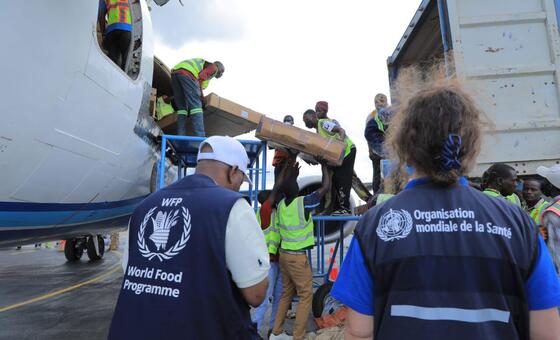
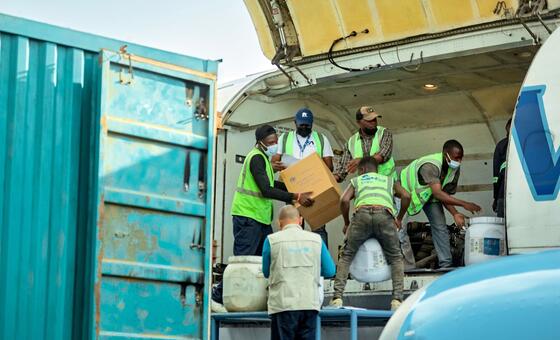
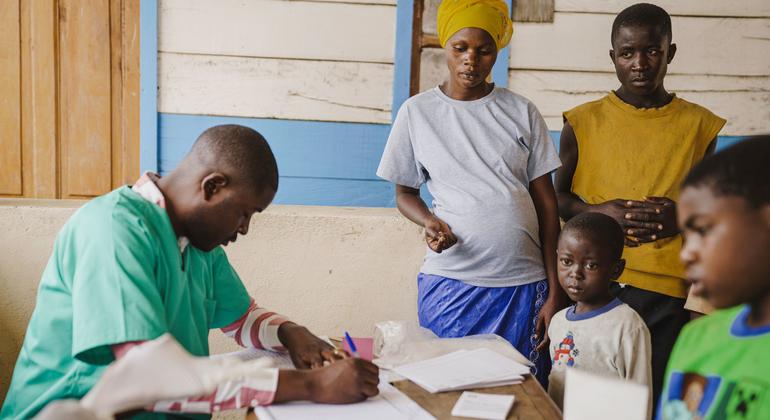
Africa CDC and WHO launch joint continental Ebola response plan

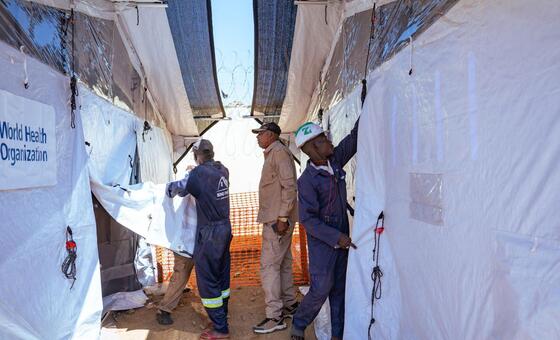
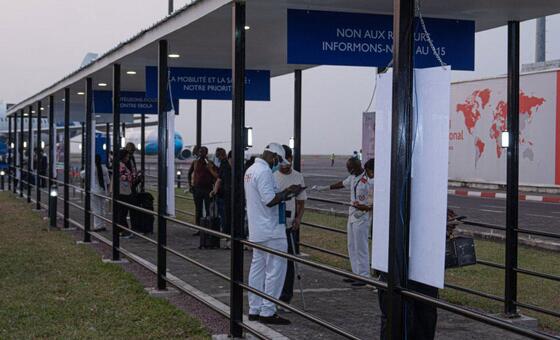
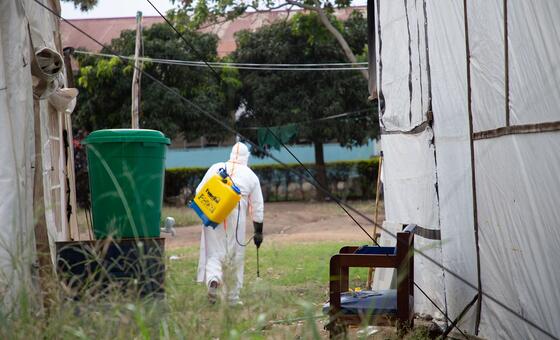
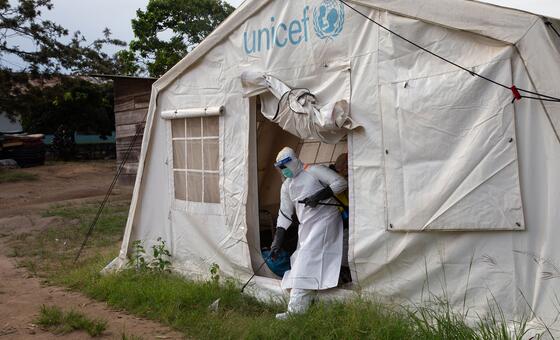
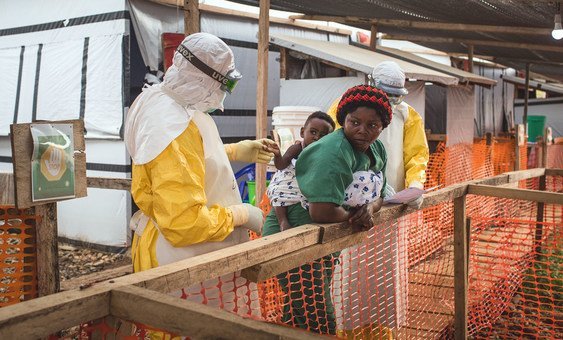
The Africa Centres for Disease Control and Prevention (Africa CDC) and the World Health Organization (WHO) today launched a joint continental preparedness and response plan on the ongoing Ebola outbreak caused by the Bundibugyo virus. The plan aims to raise US$ 518 million to support African countries together with partners to prepare for, rapidly detect and respond to the outbreak.The six-month plan, covering June to November 2026, brings together governments, partners and communities under a unified ‘One Response’ approach to strengthen outbreak response measures, including emergency coordination, disease surveillance, laboratory testing, infection prevention and control, clinical care, community engagement, research, logistics and support for essential health services.The plan complements national response plans launched by the Governments of the Democratic Republic of the Congo and Uganda.“The only way to beat this outbreak is through close partnership, working together under the leadership of the affected countries in one coordinated effort, guided by a simple principle: one plan, one budget, one team,” said Dr Tedros Adhanom Ghebreyesus, WHO Director-General. “Containing Ebola depends on political commitment, sustained financing, and the trust and engagement of communities. This plan places communities at the centre, because without their participation, contact tracing falters, safe care is delayed, and transmission continues.”Dr Jean Kaseya, Director-General of Africa CDC, said: “Ebola moves fast. Africa must move faster. This joint plan gives the continent a clear path to act with speed and unity: to save lives, support the affected countries and protect neighbouring communities. With Member States, WHO and partners, Africa CDC is turning commitment into action and resources into response for the communities at risk.”The plan also focuses on protecting vulnerable populations, strengthening cross-border collaboration, and supporting countries to respond quickly to new cases. At a time when there are no licensed vaccines or therapeutics specifically approved for the Bundibugyo species of Ebola, the plan aims to strengthen health systems to ensure resilience even as countries respond to acute health emergencies.Implementation of preparedness and response activities is already underway across affected and at-risk countries. Furthermore, in 10 priority countries critical measures are being strengthened to enhance public health emergency preparedness and ensure early detection and swift response.The plan emphasizes the need to maintain support for other ongoing health emergencies, including mpox, cholera and measles, to prevent disruptions to critical response efforts and safeguard progress towards stronger, more resilient health systems.This coordinated effort comes as response operations accelerate in the Democratic Republic of the Congo, where authorities, with support from Africa CDC, WHO and partners, are ramping up efforts to curb the spread of the virus and end the outbreak.Africa CDC and WHO urge Member States to strengthen screening and public health measures at points of entry and enhance cross-border coordination and solidarity to support a timely, effective and evidence-based response to the outbreak.Through the joint preparedness and response plan, the continent is mobilising its collective expertise and resources to reinforce response measures, acting as one to control the outbreak and protect communities across the region. Its successful implementation will require strong political commitment, sustained investment and close collaboration among governments, health workers, communities and partners.Drawing on lessons learned from previous Ebola outbreaks and recent public health emergencies, the plan also provides a pathway to broadly strengthen Africa’s capacity to prevent, detect and respond to future health threats while protecting lives and livelihoods.About Africa CDCThe Africa Centres for Disease Control and Prevention (Africa CDC) is the public health agency of the African Union. As an autonomous institution, Africa CDC supports AU Member States to strengthen health systems, improve disease surveillance, and enhance emergency preparedness and response. Africa CDC works with Member States, Regional Economic Communities and partners to prevent, detect and respond quickly and effectively to disease threats and outbreaks across the continent.For more information, visit www.africacdc.org and follow Africa CDC on LinkedIn, X, Facebook and YouTube. About WHODedicated to the well-being of all people and guided by science, the World Health Organization leads and champions global efforts to give everyone, everywhere an equal chance at a safe and healthy life.We are the UN agency for health that connects nations, partners and people on the front lines in 150+ locations – leading the world’s response to health emergencies, preventing disease, addressing the root causes of health issues and expanding access to medicines and health care. Our mission is to promote health, keep the world safe and serve the vulnerable. “Together for health. Stand with science”, the theme of World Health Day 2026 marks a year-long campaign to highlight science as the foundation for protecting health and well-being worldwide. 

Read full article →
News Cover
WHO 五月 31, 2026

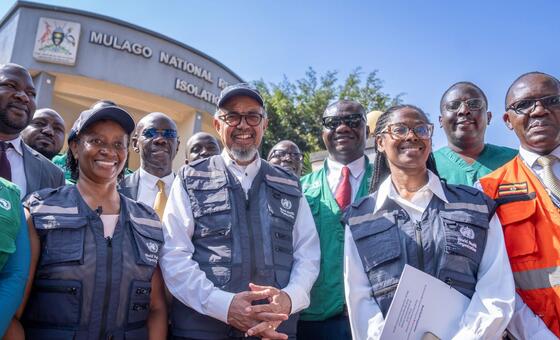
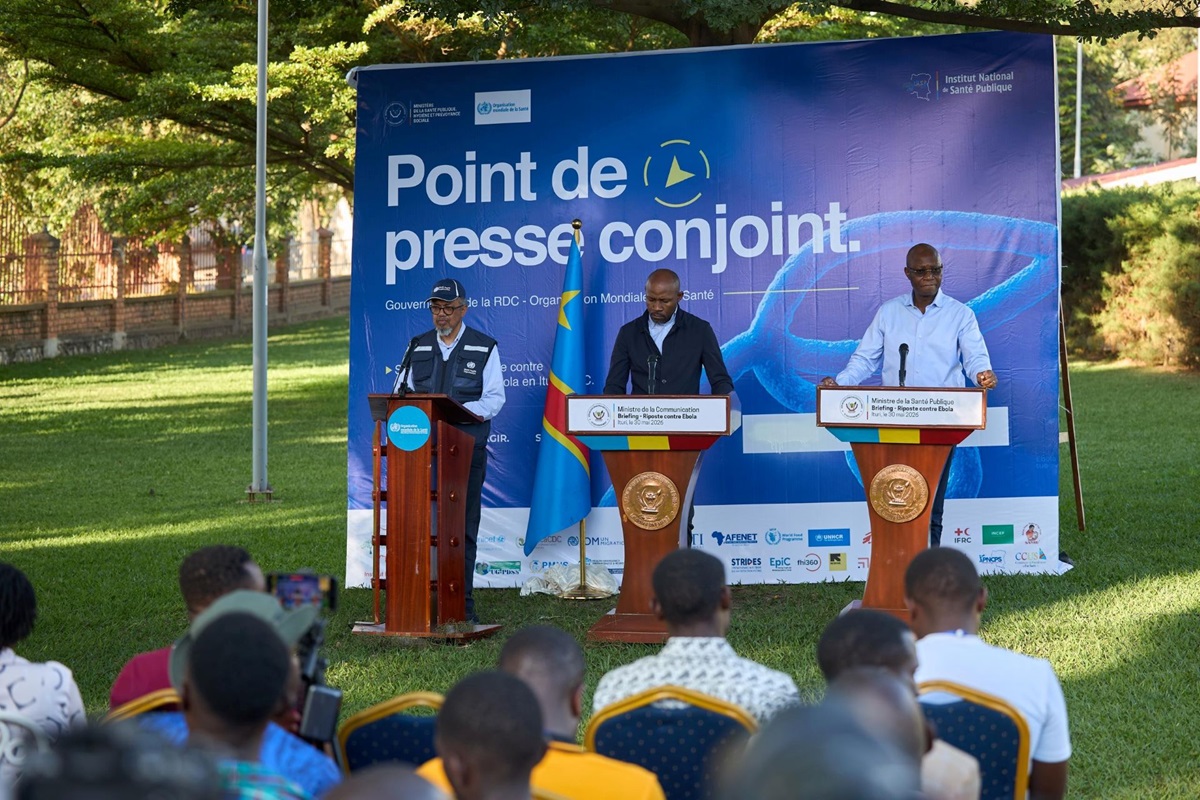
Joint statement by the Government of the Democratic Republic of the Congo and WHO concerning the outbreak of Ebola disease caused by the Bundibugyo virus

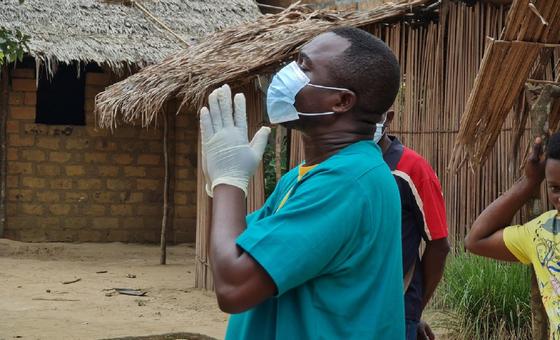
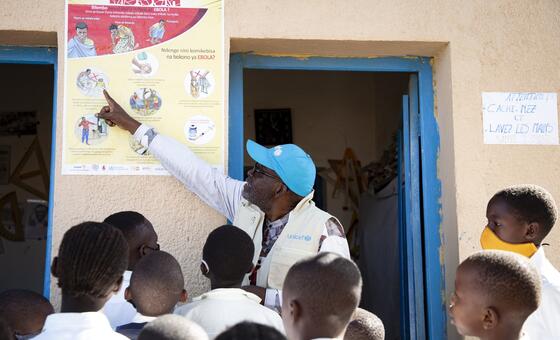
The Government of the Democratic Republic of the Congo (DRC) and the World Health Organization (WHO) reaffirm their strong partnership and shared commitment to protect the health and well-being of the people of Ituri Province and the nation at large, following the joint mission to Bunia led by Dr Samuel Roger Kamba, Minister of Health, Mr. Patrick Muyaya Katembwe, Minister of Communication and Medias, and the visit of WHO Director-General Dr Tedros Adhanom Ghebreyesus. This high-level visit comes at a challenging time, as the country responds to an outbreak of Ebola disease caused by the Bundibugyo virus. The Ministry of Health reports a rapidly evolving situation, with cases and deaths notified in several health zones of Ituri, North Kivu and South Kivu. The Government, with support from WHO and partners, is intensifying surveillance, laboratory testing and patient care to interrupt transmission as quickly as possibleThe Government of the DRC is firmly leading a comprehensive national response, working closely with provincial authorities in Ituri and neighbouring provinces. WHO, alongside the broader United Nations system and health and humanitarian partners, is fully committed to supporting these efforts. Together, DRC authorities, WHO and partners are working to strengthen coordination, mobilize additional resources, and ensure that life-saving interventions reach affected communities quickly and equitablyCentral to this response is the recognition that communities are at the heart of the solution. Success will depend on the trust, engagement and leadership of local communities. National and provincial authorities, with support from WHO and partners, are intensifying dialogue with community leaders, women's groups, youth representatives, religious leaders and the private sector to better understand local concerns and co-develop solutions that are culturally appropriate and effective.While the Bundibugyo strain presents additional challenges, including the absence of a licensed vaccine or specific treatment, proven public health measures remain effective in slowing transmission and potential full recovery. The Ministry of Health, WHO and partners are working to rapidly undertake randomized control trials on candidate vaccines and treatments.Persistent challenges include early detection and isolation of cases, contact tracing, safe and dignified burials, robust infection prevention and control in health facilities, and strong community awareness. The Government and WHO call on all communities to continue adopting protective behaviours, including regular hand hygiene, early care seeking in health facilities, and sharing accurate information.The DRC brings unparalleled experience to this response, having successfully contained multiple previous Ebola outbreaks. This experience, combined with strong political leadership at the highest level of the State and renewed international solidarity, provides a firm foundation for bringing the current outbreak under control. Both parties emphasize that outbreak response must maintain primary health care and essential services and strengthen long-term health system resilience. Investments made today in laboratories, health workers, surveillance systems and essential services will leave a legacy for the people of Ituri and the DRC as a whole.We sincerely thank our international partners for the support already provided to response operations, and we encourage sustained solidarity to bring this outbreak under control. Cooperation between countries must also ensure that borders remain open, and that entry controls do not obstruct the flow of desperately needed medical supplies and personnel.Together, DRC authorities, WHO, Africa CDC and partners are working to strengthen coordination, mobilize additional resources, and ensure that life-saving interventions reach affected communities quickly and equitably.

Read full article →
News Cover
WHO 五月 28, 2026

Message by the WHO Director-General to the people of the Democratic Republic of the Congo

To the people of DRC, especially to the people of Ituri Jambo kwenu wakahaji wa Ituri Mbote na bino, bato ya Ituri My name is Tedros, and I am the Director-General of the World Health Organization (WHO). But today, I am not writing to you as an official. I am writing to you as someone who knows your region, who has walked your streets, and who cares deeply about what happens to you and your families. I am writing because I want to be with you in these moments. And I want you to know that you are not alone. Ebola is not new to me personally. From 2018 to 2020, I came fourteen times to North Kivu, the epicentre of the outbreak at that time. Fourteen visits to Beni, Butembo, Katwa, Goma, and many other communities. During that outbreak, Ebola spread across North Kivu, South Kivu, and reached parts of Ituri as well. I was alongside families who had lost their loved ones. I met health workers risking their lives every day. I met community leaders, traditional healers, religious leaders and business leaders who refused to abandon their people. I saw men and women show extraordinary courage in the most difficult of circumstances. The people there, who saw me coming back again and again, wanted to give me a name that belonged to their community. They asked me whether I was the first, second, or third child of my parents. When I told them I was the firstborn, they gave me the name Dr. Paluku. I carry that name with pride. It is not just a name. It is a bond. It is a reminder that this work is not about titles or institutions. It is about people. It is about you. That outbreak was one of the most complex in history. It did not unfold in a stable, peaceful environment. It happened in the middle of armed conflict, with communities displaced, supply routes disrupted, and health workers operating under constant threat. People were fleeing violence while also trying to protect themselves and their families from a deadly disease. I remember being in Beni on more than one occasion while fighting was taking place on the outskirts of the city. We could hear it. And yet the health workers around me did not stop. They kept working. That kind of courage is something I will never forget. The challenges of that time are not so different from what you are facing today in Ituri. I understand that. I have seen it with my own eyes. Mistrust ran deep, and the security situation cost us precious time. Our health workers were attacked. Clinics were targeted. People who were only trying to save lives found themselves caught in the middle of a conflict they did not start. Lives were lost that we might have saved, and that weighs on me still. But I also witnessed something remarkable. When we listened, when communities felt respected and heard, things began to change. Trust grew slowly, then more quickly. People came forward. And together, we managed to contain the outbreak. We did it. The people of DRC did it. I will never forget that. Ebola is now back. This time, the outbreak is hitting Ituri province the hardest. More than 90% of all cases have been reported in Ituri province, with a small number of cases also reported in North Kivu and South Kivu. I know how frightening that is, and I know that the people of Ituri are bearing a burden that is not easy to carry. I know that many of you are exhausted. You are already carrying so much: malaria, hunger, insecurity, and the daily struggle to keep your families safe. And now Ebola. It is not fair, and I will not pretend otherwise. But I also want to say something else about Ituri, because this province deserves to be seen for more than its hardships. Ituri is a place of remarkable energy. It is a province of vibrant commerce, of entrepreneurial spirit, of communities that have refused to be defined by the conflicts around them. The markets of Bunia buzz with life. Traders, farmers, teachers, and young people building their futures against all odds. That spirit, that refusal to give up, is exactly what we need now. It is the foundation on which we will build our response. We do not come to Ituri with only medicine and expertise. We come to join a community that already knows how to fight for its survival. I want to say a special word to the young people of Ituri. You are growing up in circumstances that no young person should have to face. And yet what I see, again and again, is not despair but determination. You are the future of this province and this country. In this outbreak, you have a vital role to play. Talk to your friends and your families. Share what you know about Ebola. Help break the fear and the silence that allow this virus to spread. Your voice carries further than you know, and we need it now more than ever. And to the health workers of Ituri, I want to say this: you are seen, and you are not alone. Every day you go to work knowing the risks, and you go anyway. You do it for your patients, for your communities, for your families. You are the backbone of this response. Without you, none of this is possible. I know the conditions are hard. I know the resources are often not enough. I know that fear and exhaustion are real. Please know that WHO stands with you, that we are working to get you the support you need, and that your courage and dedication are known and deeply valued far beyond the borders of this province. I also know that the security situation in parts of this region remains very difficult. Conflict and displacement make everything harder, including reaching people who need care and keeping health workers safe. I want to be honest: this is one of our greatest challenges. We cannot do this work if those who are trying to help are prevented from doing so or put in danger. We are working closely with all relevant partners to ensure that the response can reach every community that needs it, and that no one is left behind because of where they live or what is happening around them. That is why today I am making a direct appeal to all warring parties in this region: please, declare a ceasefire. Even briefly. Even just enough to let health workers through. People are dying from Ebola who do not have to die. Children are sick. Families are suffering. No cause, no conflict, no grievance is worth condemning innocent people to death from a preventable disease. A ceasefire, even a temporary one, would save lives. I urge you, I implore you: give us the space to help the people who need it most. I also know that there is anger and mistrust in some communities, and I understand why. Trust must be earned, it cannot be assumed. We have not always done things correctly. But I promise you, we are here to learn as much as we are here to help. I need to be honest with you about something important. Most previous Ebola outbreaks in DRC were caused by a virus called Ebola Zaire, for which we have vaccines and treatments. This outbreak is caused by a different virus called Ebola Bundibugyo. There are currently no approved vaccines or treatments for it. This is serious, and you deserve to hear that plainly. But I also want you to know this: while there are no specific treatments for Bundibugyo, there is much we can do together to prevent the spread of this virus and save lives. Early supportive care in our treatment centers can make a real difference. If you or someone you know falls ill, please do not wait. Coming forward early can make the difference between life and death. And everything we do, we will do with you. We will listen to you, we will share information with you, and we are here to help. And for those we cannot save, we will mourn with you. We will help you grieve your lost loved ones with safe and dignified burials. We are working under the leadership of the Government of DRC, together with all relevant partners, united around one goal: to stop this outbreak and protect your communities. No one is working alone. No one is working at cross purposes. We are coordinated, we are committed, and we are here. That is why I am coming to Bunia. I will be there in person, alongside my colleagues, meeting your leaders, listening to your concerns, and doing everything in my power to help you. I will not be managing this from a comfortable office far away. This is the 17th Ebola outbreak in DRC. Together, you have overcome every single one before. That is not a small thing. That is a testament to the strength and resilience of your communities. I have seen that strength with my own eyes. My brothers and sisters of Ituri, I want you to know that the world is watching your courage. You are not forgotten. Together, we will overcome this outbreak, as you have overcome every challenge before. Your resilience is the light that guides us all. We will get through this one too. Not because of anyone, but because of you. Our teams are already on the ground, and they will stay for as long as necessary. And when this outbreak is over, we will not quietly disappear. We will not forget you. We will stay, and we will keep working with you to build health systems that protect every person in every community.I look forward to seeing you in Bunia soon. Until then, please know that you are in my thoughts.With respect and solidarity,PalukuTedrosTedros Adhanom GhebreyesusDirector-General, World Health Organization 

Read full article →
News Cover
WHO 五月 20, 2026

Seventy-ninth World Health Assembly honours global champions advancing primary health care

Today, the World Health Assembly recognized individuals and institutions whose contributions to global health have gone far beyond the call of duty. Six laureates representing diverse backgrounds and contexts were honoured by the President of the Seventy-ninth World Health Assembly, Dr Víctor Elias Atallah Lajam of Dominican Republic, together with representatives of the foundations that have provided these prizes over the last 40 years, and WHO Director-General Dr Tedros Adhanom Ghebreyesus.The 2026 prizes celebrate the remarkable dedication of the six awardees to advancing primary health care, reducing inequities and bringing the goal of health for all closer to reality. Selected by WHO’s Executive Board in February 2026, the 2026 laureates reflect a shared commitment to improving health outcomes through scientific excellence, innovation and community outreach. Their work ranges from strengthening primary health care systems and advancing disease control to empowering communities and expanding access to essential services for the most vulnerable populations.This year marks 20 years since the passing of Dr LEE Jong-wook, WHO’s sixth Director-General, who passed away unexpectedly during the World Health Assembly in 2006. One of the prizes awarded today, the Dr LEE Jong-wook Memorial Prize for Public Health, honours his legacy and enduring contribution to global health.Winners of the 2026 public health prizesSasakawa Health PrizeThe Banconi Community Health Association (ASACOBA), MaliRecognized for its pioneering role in strengthening community-based primary health care and empowering underserved populations through locally driven health services.United Arab Emirates Health Foundation PrizeDr Worawit Tontiwattanasap, ThailandRecognized for transforming access to health services for rural, stateless and cross-border populations through outreach services, training and policy advocacy.State of Kuwait Health Promotion Foundation’s His Highness Sheikh Sabah Al-Ahmad Al-Jaber Al-Sabah Prize for the Promotion of Healthy AgeingProfessor Bruno Vellas, FranceRecognized for advancing and developing innovative, community-based approaches to care for older people.SingHealth, SingaporeRecognized for its integrated, cross-sectoral and community-centred strategies supporting healthy ageing and age-friendly environments.Dr LEE Jong-wook Memorial Prize for Public Health Professor Mohammad Abul Faiz, BangladeshRecognized for his lifelong contribution to public health, particularly in addressing diseases affecting rural, poor and marginalized populations.Nelson Mandela Award for Health PromotionDr Amr Mohamed Kandeel, EgyptRecognized for his leadership in building a resilient, prevention-oriented public health system integrating disease control, digital innovation and equity. About WHO public health prizes and awardsEvery year, during the World Health Assembly, public health prizes and awards are presented to individuals and institutions from around the world for their outstanding contributions to public health.Public health foundation prizes are awarded following nominations submitted by WHO Member States and former laureates. Selection panels composed of representatives of the prize foundations and WHO Executive Board Members review candidates and make recommendations. The WHO Executive Board designates the winners each year, and the awards are presented during a plenary session of the World Health Assembly.Over the past 15 years, more than 80 laureates from over 50 WHO Member States have received public health prizes. In 2026, nearly 100 nominations were submitted from across all six WHO regions, reflecting a significant increase in global engagement in recognizing public health excellence.About WHO Dedicated to the well-being of all people and guided by science, the World Health Organization leads and champions global efforts to give everyone, everywhere an equal chance at a safe and healthy life. We are the UN agency for health that connects nations, partners and people on the front lines in 150+ locations – leading the world’s response to health emergencies, preventing disease, addressing the root causes of health issues and expanding access to medicines and health care. Our mission is to promote health, keep the world safe and serve the vulnerable.“Together for health. Stand with science”, the theme of World Health Day 2026 marks a year-long campaign to highlight science as the foundation for protecting health and well-being worldwide. 

Read full article →
News Cover
WHO 五月 18, 2026

World Health Assembly opens in Geneva, Switzerland

The Seventy-ninth session of the World Health Assembly (WHA79) opened in Geneva, Switzerland today, with the election of Dr Víctor Elías Atallah Lajam of the Dominican Republic as the President of the Health Assembly.   The elected Vice-Presidents are Dr Mohamed Ali Al-Ghouj of Libya, Dr Assa Badiallo Touré of Mali, Mrs Katarzyna Drążek -Laskowska of Poland, Mrs Neesha Mehta of Nepal, and Mr Elias Kapavore of Papua New Guinea. Dr Timur Sultangaziyev of Kazakhstan and Dr Kwabena Mintah Akandoh of Ghana are the Chairs of the Committee A and Committee B, respectively. During the high-level welcome, H.E. Elisabeth Baume‑Schneider, Federal Councillor of the Swiss Confederation, addressed the Health Assembly on behalf of the host country, followed by remarks from H.E. John Dramani Mahama, President of Ghana and Special Guest of Honour.   Delegates also heard video messages from H.E. António Guterres, United Nations Secretary‑General, H.E. Ahmad Al Sharaa, President of the Syrian Arab Republic, and H.E. Mia Mottley, Prime Minister of Barbados. Dr Tedros Adhanom Ghebreyesus, WHO Director‑General, addressed the Assembly and then presented the Awards for Global Health to Dr Tore Godal, Dr Merceline Dahl-Regis, Dr Mike Ryan and Dr Heba El Sewedy, recognizing their lifetime achievements and exceptional contributions to improving the health and well-being of communities worldwide. Special Guest, H.E. Pedro Sanchez, Prime Minister of Spain, addressed the Assembly at the conclusion of the afternoon session in the Plenary.  

Read full article →
News Cover
WHO 五月 18, 2026

Director-General presents Award for Global Health to four distinguished leaders

At the Seventy-ninth World Health Assembly in Geneva, WHO Director-General Dr Tedros Adhanom Ghebreyesus has presented four distinguished leaders with the Award for Global Health, recognizing their lifetime achievements and exceptional contributions to improving the health and well-being of communities worldwide.This year’s laureates are Dr Tore Godal, Dr Merceline Dahl-Regis, Dr Mike Ryan and Dr Heba El Sewedy. They were celebrated during the High-Level Welcome of the World Health Assembly (WHA), held this year under the theme “Reshaping global health: a shared responsibility.”Established in 2019, the Director-General’s Awards for Global Health recognize individuals whose leadership and commitment have delivered tangible improvements in health outcomes around the world.“I am honoured to present the Global Health Leaders Awards to four individuals who have made outstanding lifetime contributions to global health,” said Dr Tedros.  Dr Tore Godal was recognized for his transformative leadership in immunization and infectious diseases. Throughout his distinguished career, he played a pivotal role in elevating vaccines as a global development priority and helped establish major initiatives including Gavi, the Vaccine Alliance, Roll Back Malaria and CEPI, the Coalition for Epidemic Preparedness Innovations. He also played a pivotal role in the fight against neglected diseases when leading WHO’s Tropical Diseases Programme, and expanding work on leprosy and malaria. He helped expand community-based ivermectin distribution and onchocerciasis control efforts, which contributed to protecting large populations from river blindness. Dr Godal’s work has translated scientific research into large-scale public health action, protecting millions of lives.Dr Merceline Dahl-Regis was recognized for her lifelong commitment in expanding immunization and disease elimination in the Region of the Americas and beyond. Her contributions were instrumental in achieving the elimination of measles and rubella in the Americas – the first region in the world to reach this milestone. Her advocacy and support of the regional Dual Elimination Initiative also supported the elimination of mother-to-child transmission of syphilis and HIV in the Americas. Through research, community engagement and regional collaboration, she has advanced a holistic approach to health and development and had a profound impact on the lives of many people in the Americas and globally.Dr Mike Ryan was honoured for his leadership in strengthening global preparedness for and response to health emergencies. A founder of the Global Outbreak Alert and Response Network (GOARN), he has shaped international systems for detecting and responding to epidemics, and – when serving as the Executive Director of WHO’s Health Emergencies Programme – led operational responses to SARS, cholera, Ebola, polio and COVID-19. His leadership during major outbreaks and humanitarian crises working in some of the most challenging environments has demonstrated an unwavering commitment to protecting vulnerable communities and advancing global health security.Dr Heba Elsewedy received the award for her dedication to humanitarian action and social justice. Through the Ahl Masr Foundation, which she founded in 2013, she has pioneered comprehensive approaches to the prevention and treatment of trauma and burn injuries, while promoting awareness, dignity and the reintegration of survivors. Dr Heba Elsewedy's foundation has been instrumental in providing medical and psychological support to burn victims, as well as humanitarian aid to those affected by the Gaza conflict. Her work has transformed lives and stands as a model of compassionate, people-centred care, and a source of inspiration for many young public health advocates.From steering large-public health actions, to leading scientific innovations, engaging with communities and protecting people against emergencies and infectious diseases, the 2026 awardees reflect the diversity of approaches needed to achieve the highest possible level of health for all. Their achievements serve as a source of inspiration for current and future generations working for a healthier, safer and more equitable world for all. 

Read full article →
News Cover
WHO 五月 09, 2026

Message by the WHO Director-General to the people of Tenerife regarding the hantavirus response

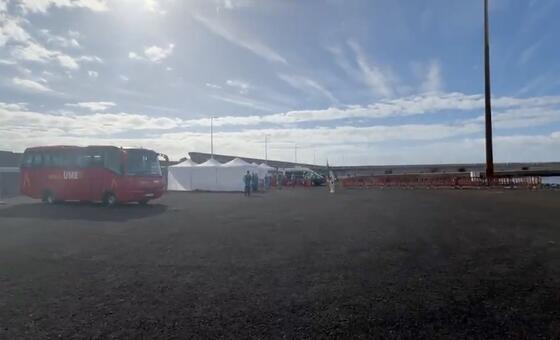
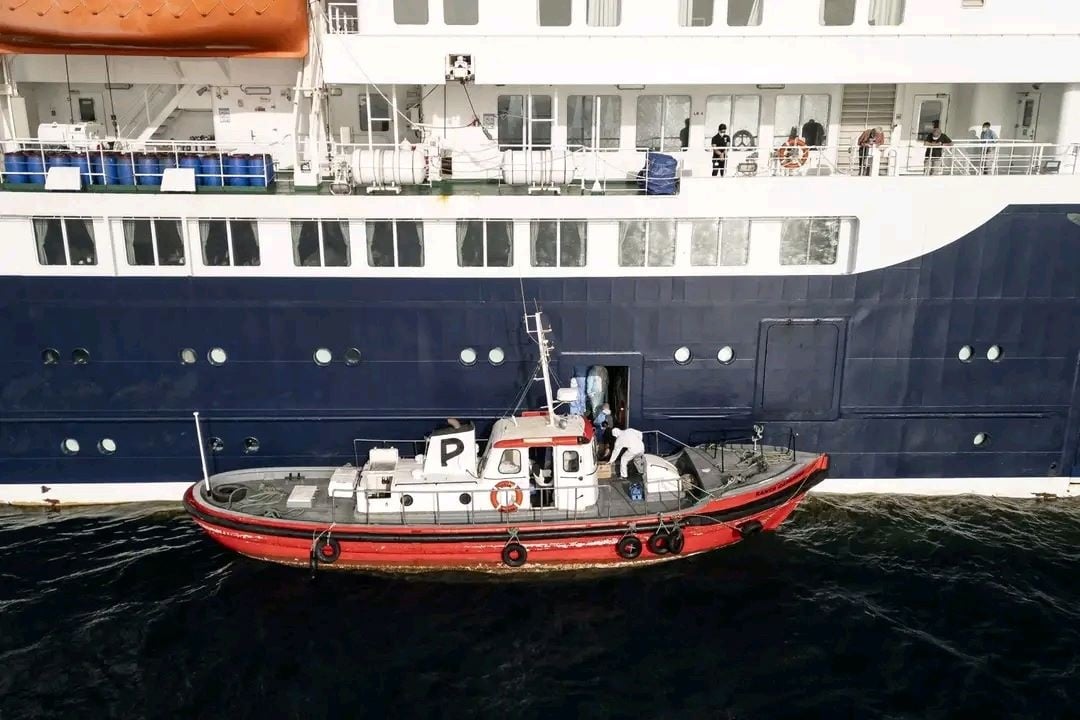
To the people of Tenerife,My name is Tedros, and I serve as the Director-General of the World Health Organization, the United Nations agency responsible for global public health. It is not common for me to write directly to the people of a single community, but today I feel it is not only appropriate, it is necessary.I want to speak to you directly, not through press releases or technical briefings, but as one human being to another, because you deserve that.I know you are worried. I know that when you hear the word “outbreak” and watch a ship sail toward your shores, memories surface that none of us have fully put to rest. The pain of 2020 is still real, and I do not dismiss it for a single moment.But I need you to hear me clearly: this is not another COVID. The current public health risk from hantavirus remains low. My colleagues and I have said this unequivocally, and I will say it again to you now.The virus aboard the MV Hondius is the Andes strain of hantavirus. It is serious. Three people have lost their lives, and our hearts go out to their families. The risk to you, living your daily life in Tenerife, is low. This is the WHO’s assessment, and we do not make it lightly.Right now, there are no symptomatic passengers on board. A WHO expert is on that ship. Medical supplies are in place. Spain’s authorities have prepared a careful, step-by-step plan: passengers will be ferried ashore at the industrial port of Granadilla, far from residential areas, in sealed, guarded vehicles, through a completely cordoned-off corridor, and repatriated directly to their home countries. You will not encounter them. Your families will not encounter them.I also want to say something else, something that goes beyond the science.I personally thanked Prime Minister Sanchez for Spain’s decision to receive this ship. I called it an act of solidarity and moral duty. Because that is what it is. I want you to know that the WHO’s request to Spain was not made arbitrarily. It was made in full accordance with the International Health Regulations, the legally binding framework that defines the rights and obligations of countries and the WHO when responding to public health events of international concern. Under those rules, the nearest port with sufficient medical capacity must be identified to ensure the safety and dignity of those on board. Tenerife met that standard. Spain honoured it. Nearly 150 people from 23 countries have been at sea for weeks, some of them grieving, all of them frightened, all of them longing for home. Tenerife has been chosen because it has the medical capacity, the infrastructure, and the humanity to help them reach safety.And because I believe that so deeply, I will be there myself. I intend to travel to Tenerife to observe this operation firsthand, to stand alongside the health workers, port staff, and officials who are making it happen, and to personally pay my respects to an island that has responded to a difficult situation with grace, solidarity, and compassion. Your humanity deserves to be witnessed, not just acknowledged from a distance.As I have said many times: viruses do not care about politics, and they do not respect borders. The best immunity any of us has is solidarity.Tenerife is demonstrating that solidarity today. The ship’s captain, Jan Dobrogowski, crew and the company operating the vessel have shown exemplary collaboration at this challenging time.  On behalf of the World Health Organization, and on behalf of those passengers and their families around the world, I thank the people of Tenerife and everyone else involved.Please take care of yourselves and of each other. Trust in the preparations that have been made. And know that the WHO stands with you, and with every person on that ship, every step of the way.With respect, care, and gratitude,TedrosDr Tedros Adhanom GhebreyesusDirector-General, World Health Organization

Read full article →
News Cover
WHO 五月 07, 2026

WHO’s response to hantavirus cases linked to a cruise ship

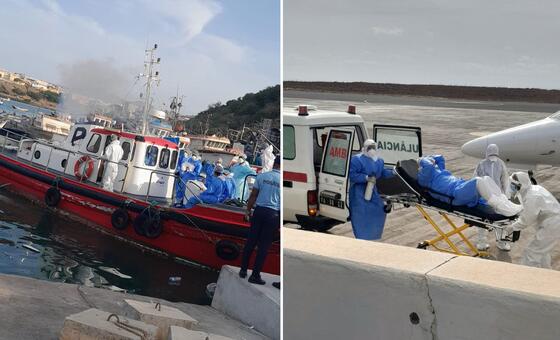
Dr Tedros Adhanom Ghebreyesus, WHO Director-General, briefed media today on a cluster of hantavirus cases linked to a cruise ship, the MV Hondius.Eight cases have been reported so far, including three deaths. Five of the 8 cases have been confirmed as hantavirus.The hantavirus involved is the Andes virus, the only species known to be capable of limited transmission between humans, linked to close and prolonged contact.Describing the situation, Dr Tedros said, “While this is a serious incident, WHO assesses the public health risk as low.” He noted that given the incubation period, “it’s possible that more cases may be reported.”WHO is coordinating closely with multiple countries under the International Health Regulations or IHR, rules that define the rights and obligations of countries and WHO in responding to public health events. This event demonstrates why the IHR exist, demonstrating the importance of global cooperation and solidarity in responding to health threats that know no borders.“Our priorities are to ensure the affected patients receive care, that the remaining passengers on the ship are kept safe and treated with dignity, and to prevent any further spread of the virus,” Dr Tedros said.WHO has taken a number of actions since it was notified of the situation on Saturday, 2 May 2026. The latest of these include deploying an expert on board the ship, to support a comprehensive medical assessment of all passengers and crew, while gathering critical information to evaluate their risk of infection.WHO has arranged for the shipment of 2500 diagnostic kits from Argentina to laboratories in five countries to strengthen testing capacity. The Organization is also developing step-by-step operational guidance for the safe and respectful disembarkation and onward travel of passengers and crew when they arrive.Watch the full press conference 

Read full article →
News Cover
WHO 五月 01, 2026

WHO Member States agree to extend negotiations on Pathogen Access and Benefit Sharing annex

Member States of the World Health Organization (WHO) have progressed work on the Pathogen Access and Benefit Sharing (PABS) annex, a key part of the WHO Pandemic Agreement, and today agreed additional time was needed to finalize the framework for ensuring a better, more equitable, response to future pandemics.Countries today ended the resumed session of the sixth meeting of the Intergovernmental Working Group (IGWG) on the WHO Pandemic Agreement in Geneva, focused on the PABS system. The outcome of this work will be presented to the Seventy-ninth World Health Assembly (WHA) later this month. Given the need for further negotiations, the Assembly will be asked to consider continuing IGWG’s work as mandated in Resolution WHA78.1 and submit the outcome to the next Assembly in May 2027, or earlier by a special session of WHA in 2026.“Real progress was made on the PABS annex and I am confident through continued negotiations differences will be overcome,” said Dr Tedros Adhanom Ghebreyesus, WHO Director-General. “Member States should continue approaching the outstanding issues with a sense of urgency because the next pandemic is a matter of when, not if. The PABS annex is the last piece of the puzzle not only for the Pandemic Agreement but all initiatives that WHO and Member States have implemented as a result of lessons learned from the COVID-19 pandemic.”The PABS system is intended to ensure, on equal footing, the rapid sharing of pathogens with pandemic potential and the fair and equitable sharing of benefits arising from their use, such as vaccines, diagnostics and therapeutics. Finalizing the PABS Annex is necessary so countries can proceed with signature and ratification of the Pandemic Agreement. “Finalizing a document of such technical and legal complexity requires precision and dedication, both of which the Member States have demonstrated in full,” said IGWG Bureau Co-Chair Ambassador Tovar da Silva Nunes of Brazil. “We are not there yet, but with an extension of our negotiations, we will get there.”IGWG Co-Chair Mr Matthew Harpur said: “WHO Member States have demonstrated strong and continuing commitment to negotiations on a Pathogen Access and Benefit Sharing system annex. The IGWG Bureau is confident we are moving in the right direction to finalize the PABS annex, and in doing so provide the WHO Pandemic Agreement with the framework needed to ensure countries are better, and more equitably, prepared and protected for the next pandemic.”The IGWG will hold its seventh meeting from 6 to 17 July 2026.In May 2025, the World Health Assembly adopted the WHO Pandemic Agreement to strengthen how countries prevent, prepare for, and respond to pandemics. It also established an open-ended Intergovernmental Working Group (IGWG) to carry out key tasks, including drafting and negotiating the PABS system.   

Read full article →
News Cover
WHO 四月 27, 2026

Efforts to eliminate hepatitis delivers gains but more action needed to meet 2030 targets

Global efforts to combat viral hepatitis are delivering measurable progress in reducing infections and deaths, but the disease remains a major global health challenge, according to a new World Health Organization (WHO) report released today at the World Hepatitis Summit.Viral hepatitis B and C – the two infections responsible for 95% of hepatitis-related deaths worldwide – claimed 1.34 million lives in 2024, the latest data show. At the same time, transmission continues, with more than 4900 new infections every day, or 1.8 million each year.The 2026 Global hepatitis report documents significant gains made since 2015. The annual number of new hepatitis B infections has dropped by 32% and hepatitis C-related deaths have fallen by 12% globally. Hepatitis B prevalence among children under five has also decreased to 0.6%, with 85 countries achieving or surpassing the 2030 target of 0.1%.These achievements reflect the impact of sustained, coordinated global and national action following the adoption of WHO viral hepatitis elimination targets by Member States at the World Health Assembly in 2016. However, the report warns that current rates of progress are insufficient to meet all 2030 elimination targets, underscoring the urgent need to accelerate prevention, testing, and treatment efforts worldwide.“Around the world, countries are showing that eliminating hepatitis is not a pipedream, it's possible with sustained political commitment, backed by reliable domestic financing,” said Dr Tedros Adhanom Ghebreyesus, WHO Director-General. “At the same time, this report shows that progress is too slow and uneven. Many people remain undiagnosed and untreated due to stigma, weak health systems and inequitable access to care. While we have the tools to eliminate hepatitis as a public health threat, urgent scale-up of prevention, diagnosis and treatment is needed if the world is to meet the 2030 targets.”Global burden and gaps in responseUpdated WHO estimates indicate that 287 million people were living with chronic hepatitis B or C infection in 2024.That year, 0.9 million people were newly infected with hepatitis B. The WHO African Region accounted for 68% of new hepatitis B infections, yet only 17% of newborns in the region received the hepatitis B birth-dose vaccination.A further 0.9 million hepatitis C infections were recorded in 2024. People who inject drugs accounted for 44% of new infections, highlighting the urgent need for stronger harm reduction services and safe injection practices.Of the 240 million people with chronic hepatitis B in 2024, fewer than 5% were receiving treatment. Only 20% of people with hepatitis C have been treated since 2015, when a new 12-week treatment with a cure rate of about 95% became available.As a result of limited access to prevention and care, in 2024 an estimated 1.1 million people died from hepatitis B and 240 000 from hepatitis C. Liver cirrhosis and hepatocellular carcinoma were the main causes of hepatitis related deaths. A large share of hepatitis B-related deaths occurred in the African and Western Pacific Regions.Ten countries – Bangladesh, China, Ethiopia, Ghana, India, Indonesia, Nigeria, the Philippines, South Africa and Viet Nam – accounted for 69% of hepatitis B related deaths worldwide in 2024. Hepatitis C-related deaths are more geographically dispersed. In 2024, ten countries accounted for 58% of the global total: China, India, Indonesia, Japan, Nigeria, Pakistan, the Russian Federation, South Africa, the United States of America and Viet Nam.Proven solutionsDespite these challenges, progress in countries such as Egypt, Georgia, Rwanda, and the United Kingdom demonstrates that eliminating hepatitis as a public health problem is achievable with sustained commitment and investment.Highly effective tools are already available:hepatitis B vaccine protects more than 95% of vaccinated people against both acute and chronic infections;long-term antiviral treatment for hepatitis B can help effectively manage chronic infection and prevent severe liver disease; and hepatitis C short-course curative therapy lasting 8-12 weeks can cure more than 95% of infections.“The data shows that progress is possible but also reveals where we are falling short. Every missed diagnosis and untreated infection due to chronic viral hepatitis represents a preventable death,” said Dr Tereza Kasaeva, Director, WHO Department for HIV, TB, Hepatitis and Sexually Transmitted Infections. “Countries must move faster to integrate hepatitis services for people living with hepatitis B and C into primary care, and to reach the communities most affected.”The report identifies priority actions to accelerate hepatis elimination as a public health threat. These include scaling up treatment for chronic hepatitis B infection, particularly in the WHO African and Western Pacific regions, and expanding access to hepatitis C treatment in the WHO Eastern Mediterranean Region.It also calls for stronger political commitment and financing, improved coverage of hepatitis B birth-dose vaccination and expanded antiviral prophylaxis to prevent mother-to-child transmission of HBV infection, particularly in the WHO African Region. In addition, the report emphasizes the need to improve injection safety in both health-care settings and community practices, including through strengthened harm reduction services for people who inject drugs. 

Read full article →
News Cover
WHO 四月 27, 2026

Practicing today for tomorrow’s emergencies – WHO convenes countries and partners to simulate response to major disease outbreak

The World Health Organization (WHO) wrapped up Exercise Polaris II, a 2-day high-level simulation exercise, based around an outbreak of a fictional new bacterium spreading across the world. Bringing together 26 countries and territories, 600 health emergency experts and over 25 partners, the exercise, which took place on 22 and 23 April, allowed countries to test their preparedness for pandemics and other major health emergencies, including activating their emergency workforce structures, information flow and coordination with each other, partners and WHO.Building on the success of Polaris I held in April 2025, which centered on a fictional virus, each participating country activated its emergency coordination structure and worked under real-life conditions to share information, align policies and surge their workforce.“Exercise Polaris II showed what is possible when we act together. It demonstrated that global cooperation is not optional – it is essential,” said Dr Tedros Adhanom Ghebreyesus, WHO Director-General. “This is the purpose of the Global Health Emergency Corps: coordination across the emergency workforce, building trust, strengthening connections, and working as one across borders.”The simulation put two key WHO frameworks into practice, the Global Health Emergency Corps (GHEC) framework and the National health emergency alert and response framework, and explored the use of AI-enabled tools to support workforce organization and planning.The GHEC framework, published in June 2025, provides guidance on how countries can strengthen their health workforce to respond to emergencies based on the principles of sovereignty, equity and solidarity. It improves collaboration between countries by supporting information exchange and strengthening the deployment of regional and global emergency personnel when needed.The National health emergency alert and response framework, published in October 2025 outlines the key functions, coordination systems and actions needed for an effective response at local, sub-national and national levels.“By simulating the spread of a dangerous pathogen under real-life conditions, Exercise Polaris II helped us turn existing plans into action. It is not enough to have plans on paper – what matters is how they perform in practice,” said Edenilo Baltazar Barreira Filho, Director of the Public Health Emergencies Department, Ministry of Health, Brazil. The exercise also provided an opportunity to practice a coordinated provision of technical expertise and surge support to countries from over 25 national, regional and global health agencies and organizations, including Africa Centres for Disease Control and Prevention, the International Federation of Red Cross and Red Crescent Societies, Médecins Sans Frontières, Robert Koch Institute, UK-Med, UNICEF, and emergency networks such as the Global Outbreak Alert and Response Network, the Emergency Medical Teams initiative, Standby Partners, and the International Association of National Public Health Institutes.“Exercise Polaris II showed what it looks like when countries are prepared and ready to act together,” said Dr Chikwe Ihekweazu, Executive Director of WHO’s Health Emergencies Programme. “This reflects the spirit of the Global Health Emergency Corps: a well-organized, trained, coordinated and connected emergency workforce ready to respond wherever and whenever it is needed.”The second edition of the exercise saw a larger number of countries participate and collaborate through new networks such as the recently launched Health Emergency Leaders Network for Africa and the Eastern Mediterranean.Exercise Polaris II is part of HorizonX, WHO’s forward-looking, multi-year simulation exercise programme. It provides a vital platform to operationalize and practice emergency frameworks under real-life conditions, ensuring that collective readiness is not a periodic effort, but a continuous investment in global health security. Note to editorsParticipating countries and territories covering all WHO regions included Bangladesh, Brazil, Brunei, Colombia, Egypt, El Salvador, France, Georgia, Ghana, India, Indonesia, Jordan, Kenya, Kosovo*, Libya, Malaysia, Nepal, Oman, Paraguay, Philippines, Qatar, Republic of Congo, Rwanda, Suriname, Thailand, and Yemen.*All references to Kosovo on this page should be understood to be in the context of the United Nations Security Council resolution 1244 (1999).About WHODedicated to the well-being of all people and guided by science, the World Health Organization leads and champions global efforts to give everyone, everywhere an equal chance at a safe and healthy life. We are the United Nations’ agency for health that connects nations, partners and people on the front lines in 150+ locations – leading the world’s response to health emergencies, preventing disease, addressing the root causes of health issues and expanding access to medicines and health care. Our mission is to promote health, keep the world safe and serve the vulnerable.  “Together for health. Stand with science”, the theme of World Health Day 2026 marks a year-long campaign to highlight science as the foundation for protecting health and well-being worldwide. 

Read full article →
News Cover
WHO 四月 24, 2026

WHO prequalifies first-ever malaria treatment for newborns and infants, adds new diagnostic tests

Ahead of World Malaria Day on 25 April, the World Health Organization (WHO) has announced a significant step forward in the fight against malaria with the prequalification of the first treatment developed specifically for newborns and young infants weighing between two and five kilograms. The prequalification designation indicates that the medicine meets international standards of quality, safety and efficacy, and will help to expand access to quality-assured treatment for one of the most underserved patient groups.The newly prequalified treatment, artemether-lumefantrine, is the first antimalarial formulation designed specifically for the youngest malaria patients. Until now, infants with malaria have been treated with formulations intended for older children, which increase the risk of dosing errors, side effects and toxicity. WHO prequalification will enable public sector procurement, contributing to closing a long-standing treatment gap for some 30 million babies born each year in malaria-endemic areas of Africa."For centuries, malaria has stolen children from their parents, and health, wealth and hope from communities," said Dr Tedros Adhanom Ghebreyesus, WHO Director-General. "But today, the story is changing. New vaccines, diagnostic tests, next-generation mosquito nets and effective medicines, including those adapted for the youngest, are helping to turn the tide. Ending malaria in our lifetime is no longer a dream – it is a real possibility, but only with sustained political and financial commitment. Now we can. Now we must."New prequalified testsOn 14 April 2026, WHO also prequalified three new rapid diagnostic tests (RDTs) designed to address emerging diagnostic challenges for malaria. The most common malaria RDTs for P.falciparum parasite work by detecting the protein, known as HRP2. But based on reported studies and surveys in 46 countries, some strains of the malaria parasite have lost the gene that makes this protein – so they become "invisible" to HRP2-based RDTs, leading to false-negative results. In countries in the Horn of Africa, up to 80% of cases were missed, leading to delayed treatment, severe illness, and even death.The new tests address this issue by targeting a different parasite protein (pf-LDH) that the malaria parasite cannot easily shed. They provide a reliable, quality-assured alternative where HRP2-based tests are failing. WHO now recommends that countries switch to these alternative RDTs when more than 5% of cases are missed due to pf-hrp2 deletions. This ensures accurate diagnosis, appropriate treatment, and protects hard-won malaria control gains – especially for the most vulnerable communities.The announcements come as WHO and partners launch the 2026 World Malaria Day campaign, "Driven to End Malaria: Now We Can. Now We Must." The theme is a rallying cry to seize the moment – to protect lives now and fund a malaria-free future.According to the World malaria report 2025, there were an estimated 282 million cases and 610 000 deaths in 2024 – an increase from 2023. While 47 countries have been certified malaria-free and 37 countries reported fewer than 1000 cases in 2024, progress at the global level is stalling. Gains are at risk due to multiple challenges, including drug resistance, insecticide resistance, diagnostic failure, and severe reductions in international development assistance.Despite these challenges, substantial progress has been made, with an estimated 2.3 billion malaria infections prevented and 14 million lives saved worldwide since 2000.Twenty-five countries are now rolling out malaria vaccines, protecting millions of children, and next-generation mosquito nets make up 84% of all new nets distributed. These advances demonstrate what is possible when all partners work together to innovate and deliver on the promises towards ending malaria for all. About WHODedicated to the well-being of all people and guided by science, the World Health Organization leads and champions global efforts to give everyone, everywhere an equal chance at a safe and healthy life. We are the UN agency for health that connects nations, partners and people on the front lines in 150+ locations – leading the world’s response to health emergencies, preventing disease, addressing the root causes of health issues and expanding access to medicines and health care. Our mission is to promote health, keep the world safe and serve the vulnerable.“Together for health. Stand with science”, the theme of World Health Day 2026 marks a year-long campaign to highlight science as the foundation for protecting health and well-being worldwide. 

Read full article →
News Cover
WHO 四月 23, 2026

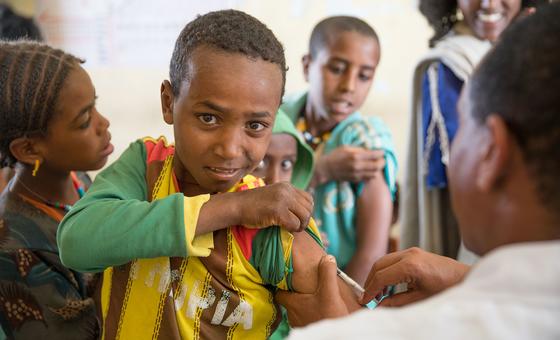
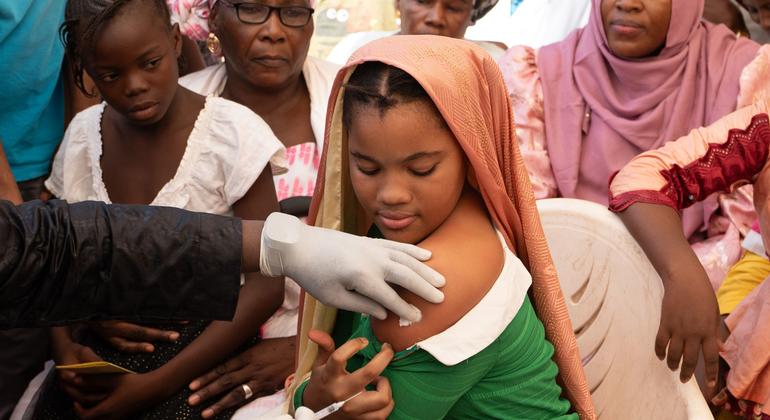
Largest catch-up initiative delivers over 100 million childhood vaccinations

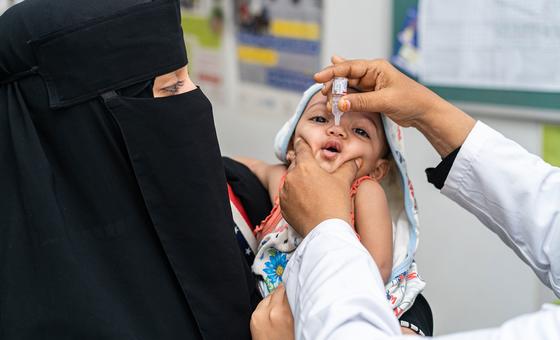
The Big Catch-Up, launched during World Immunization Week 2023, has delivered over 100 million vaccine doses to an estimated 18.3 million children across 36 countriesAround 12.3 million were “zero-dose children” who had not previously received any vaccines and 15 million who had never received a measles vaccine. The initiative concluded in March 2026 and is on track to meet its target of catching up 21 million children – but agencies warn that many infants still miss out on lifesaving vaccines through routine immunization every year.The Big Catch-Up (BCU), a historic multi-year, multi-country effort to address vaccination declines driven largely by the COVID-19 pandemic, has reached an estimated 18.3 million children aged 1 to 5 across 36 countries with more than 100 million doses of life-saving vaccines, helping to narrow critical immunity gaps, announced Gavi, the Vaccine Alliance (Gavi), WHO, and UNICEF at the start of World Immunization Week.Of the 18.3 million children reached between 2023 and 2025, an estimated 12.3 million were “zero-dose children” who had not yet received a vaccine and 15 million had never received a measles vaccine. BCU also provided 23 million doses of inactivated polio vaccine (IPV) to un- and under-vaccinated children, an essential intervention to reach polio eradication. Programme implementation concluded on 31 March 2026. Although final data is still being compiled, the global initiative is forecasted to be on track to meet its target of reaching at least 21 million un- and under-immunized children.However, agencies warn that while catch-up vaccination is an important strategy for closing immunisation gaps, expanding the reach of routine immunization programmes remains the most effective and sustainable way to protect children and prevent outbreaks of vaccine-preventable diseases.Addressing the vaccine equity gapBeyond pandemic recovery, the BCU initiative focused on closing the vaccine equity gap. Millions of children every year miss the essential vaccinations they should receive before the age of one. Most of them live in fragile, conflict-affected, or underserved communities and are never caught up as they grow older.The 36 participating BCU countries across Africa and Asia currently account for 60% of all zero-dose worldwide. Pandemic-related immunisation programme disruptions exacerbated this issue, and, in these countries, added millions more zero-dose children to those who already chronically miss out. To address this issue, the Big Catch-Up looked beyond infant immunization, for the first-time ever systematically leveraging routine immunisation systems to make deep inroads into the accumulated global cohort of older children between the ages of 1 to 5 – “older” because they should have received critical routine vaccines before the age of 1 – who remain vulnerable due to missed vaccinations.BCU catalysed long-lasting systems to identify, screen, vaccinate and monitor coverage rates in these older children – including updates to policies on age eligibility. Countries also oriented and trained health workers to identify, screen and vaccinate missed children as part of routine care and engaged with communities and civil society to support catch-up efforts. By expanding the reach of immunization to millions of previously missed children and their communities, and investing in systemic improvements, the BCU drive has made it easier for the countries to ensure these populations and others like them continue to receive essential health and immunization services in the future.Among the participating countries, 12 countries (Burkina Faso, Democratic People’s Republic of Korea, Ethiopia, Kenya, Madagascar, Mauritania, Niger, Pakistan, Somalia, Togo, United Republic of Tanzania, and Zambia) reported reaching more than 60% of all zero-dose children under the age of 5 who had previously missed DTP1. In Ethiopia, more than 2.5 million previously zero-dose children received DTP1. The country also delivered nearly 5 million doses of IPV and more than 4 million doses of measles vaccine, among other key vaccines, to un- and under-vaccinated children. Countries outside this group also reached large numbers of children. In Nigeria, for example, 2 million previously zero-dose children were reached with DTP1, and 3.4 million doses of IPV were administered alongside millions of doses of other vaccines.While these 36 countries received Gavi funding and technical assistance from WHO and UNICEF through BCU, many other countries also implemented activities during this period to accelerate efforts to catch-up missed children and recover immunisation services following pandemic-related backsliding.“As the largest ever international effort to reach missed children with life-saving vaccines, the Big Catch-Up shows what is possible when governments, partners and communities work together to protect the most vulnerable in society,” said Dr Sania Nishtar, CEO of Gavi, the Vaccine Alliance. “Thanks to this accomplishment, not only are millions of children now protected from preventable diseases but so are their communities, for generations to come.” "By protecting children who missed out on vaccinations because of disruptions to health services caused by COVID-19, the Big Catch-Up has helped to undo one of the pandemic's major negative consequences," said Dr Tedros Adhanom Ghebreyesus, Director-General of the World Health Organization. “The success of the Big Catch-Up is a testament to health workers and national immunization programmes, which are now better equipped to find and vaccinate children missed by routine services."   "Vaccinations save lives,” said UNICEF Executive Director Catherine Russell.  “This initiative shows what's possible when countries have the resources, tools, and political will to reach children with lifesaving vaccines. We've caught up with some of the children who missed routine vaccinations during the pandemic – but many more remain out of reach. The gains made through the Big Catch-Up must be sustained through investment in strong, reliable immunisation systems, especially at a time where measles is resurging."Looking at the challenges aheadThrough the Big Catch-Up, for the first time ever, countries and global partners successfully reached 12.3 million “older” zero dose children between the ages of 1 to 5. However, in 2024, an estimated 14.3 million infants under the age of one globally failed to receive a single vaccine through routine immunization programmes. Despite BCU demonstrating progress is possible with leadership and targeted investment and support, lowering this annual number of infants who miss out will require building systems that consistently reach the hardest to reach communities – against a backdrop of rising birth cohorts, conflict and displacement, funding cuts, and strained health systems.The consequences of chronic gaps in routine immunisation are plain to see. Measles outbreaks, for example, are rising in every region with around 11 million cases in 2024, and the number of countries facing large outbreaks has almost tripled since 2021. This surge is driven by persistent gaps in measles vaccination through routine immunization programmes, compounded by declining vaccine confidence in some previously high-coverage communities.Large-scale catch-up efforts are resource intensive and should serve only as a gap-filling measure that is complementary to routine immunization. Timely vaccination according to national immunisation schedules provides optimal protection and continues to be the most sustainable way to safeguard children and communities.For every generation, vaccines workWHO, UNICEF, and Gavi, along with countries and communities, are marking World Immunization Week (24–30 April 2026) with a joint campaign, "For every generation, vaccines work," calling on countries to sustain and expand vaccination coverage at every age. At the midpoint of the Immunisation Agenda 2030 (IA2030), and central to Gavi's 2026–2030 strategy (Gavi 6.0), the priority remains the same: reaching zero-dose children and advancing equity in the hardest-to-reach communities, particularly in countries grappling with conflict, instability, or fragile health systems. Maintaining that momentum will require expanding long-term domestic investments in immunization programmes and reliable commitments from partners and donors. Notes to editorsUseful linksPhotos and broll - UNICEFWHO catch up immunisationThe Big Catch-Up: An Essential Immunisation Recovery Plan for 2023 and BeyondAbout Gavi, the Vaccine AllianceGavi, the Vaccine Alliance is a public-private partnership that helps vaccinate more than half the world’s children against some of the world’s deadliest diseases. The Vaccine Alliance brings together developing country and donor governments, the World Health Organization, UNICEF, the World Bank, the vaccine industry, technical agencies, civil society, the Gates Foundation and other private sector partners. View the full list of donor governments and other leading organisations that fund Gavi’s work here.Since its inception in 2000, Gavi has helped to immunise a whole generation – over 1.2 billion children – and prevented more than 20.6 million future deaths, helping to halve child mortality in 78 lower‑income countries. Gavi also plays a key role in improving global health security by supporting health systems as well as funding global stockpiles for Ebola, cholera, meningococcal and yellow fever vaccines. After two decades of progress, Gavi is now focused on protecting the next generation, above all the zero-dose children who have not received even a single vaccine shot. The Vaccine Alliance employs innovative finance and the latest technology – from drones to biometrics – to save lives, prevent outbreaks before they can spread and help countries on the road to self-sufficiency. Learn more at www.gavi.org and connect with us on Bluesky, Facebook, Instagram, LinkedIn, TikTok, X and YouTube.About UNICEFUNICEF, the United Nations agency for children, works to protect the rights of every child, everywhere, especially the most disadvantaged children and in the toughest places to reach. Across more than 190 countries and territories, we do whatever it takes to help children survive, thrive, and fulfil their potential. For more information about UNICEF and its work, please visit: www.unicef.org Follow UNICEF on X (Twitter), Facebook, Instagram, and YouTubeAbout WHODedicated to the health and well-being of all people and guided by science, the World Health Organization leads and champions global efforts to give everyone, everywhere, an equal chance at a safe and healthy life. We are the UN agency for health. We connect nations, partners and people on the front lines in 150+ locations – leading the world’s response to health emergencies, preventing disease, addressing the root causes of health issues and expanding access to medicines and health care. Our mission is to promote health, keep the world safe and serve the vulnerable. www.who.int     

Read full article →
News Cover
WHO 四月 23, 2026

WHO reports measurable health impact in 2025 amid transition to new strategy

The World Health Organization (WHO) today released its Results Report, highlighting measurable improvements in people’s health worldwide in 2025, despite funding cuts affecting both the organization and the broader global health sector.Published at a pivotal moment for global health, the Results Report demonstrates that WHO’s impact was strongest in areas where its technical leadership and comparative advantage were fully leveraged.The report finds significant progress across all three “Triple Billion” targets under WHO’s Thirteenth General Programme of Work (GPW13) for 2019–2025.an estimated 567 million additional people were covered by essential health services without experiencing catastrophic health spending in 2025, compared with the baseline in 2018 – an increase of 136 million since 2024;an estimated 698 million additional people were better protected from health emergencies in 2025, compared with the baseline in 2018 – an increase of 61 million since 2024; andan estimated 1.75 billion additional people living healthier lives in 2025, compared with the baseline in 2018 – an increase of 300 million since 2024.Despite this progress, the report cautions that important ambitions remain unmet, leaving with the world off track to meet the health-related Sustainable Development Goals by 2030.Nevertheless, this final snapshot under GPW 13 provides clear evidence of the value of a strong and sustainably financed WHO, reflecting enduring collaboration between WHO and its Member States at global, regional and country levels.“The Results Report 2025 shows that with support from WHO and partners, countries have delivered tangible benefits for millions of people,” said Dr Tedros Adhanom Ghebreyesus, WHO Director-General. “At the same time, these gains cannot be taken for granted. Protecting and expanding them will require sustained support and investment, so that together we can continue advancing the vision set out in WHO’s Constitution: the highest attainable standard of health as a right for all.”The WHO Results Report is released annually ahead of the World Health Assembly to assess progress and review achievements and challenges in implementing WHO’s programme budget.Compared with previous editions, the 2025 report features stronger evidence-based reporting and clearer prioritization across country, regional and global levels, providing a more data-driven picture of where progress has been made and where further effort is needed. The full report will be presented by the Director-General at the Seventy-ninth World Health Assembly (18–23 May 2026).Significant impact and areas of improvementThis latest Results Report shows meaningful – but incomplete – progress across 46 outcome indicators and 121 output indicators that are specifically focused on the performance of the WHO Secretariat. These indicators are aligned with the 2030 Agenda for Sustainable Development reflecting joint accountability between WHO and its Member States.Overall, approximately half of the output indicators were not achieved, particularly in emergency-prone and resource-constrained settings. For all three targets, financial pressures and WHO’s realignment process had several immediate consequences, such as reduced human resource capacity for delivery, limited technical support, and slowing programme implementation.Progress towards universal health coverage was driven by expanded coverage of services for communicable diseases, including HIV and tuberculosis, prevention of bacterial diseases through improved sanitation and an expanding health workforce. However, gaps persist in areas such as diabetes management, measles surveillance and financial protection.Progress under protection from health emergencies reflects advances in pandemic preparedness, early warning systems, prevention and response capacity. These gains were supported in part by the adopted Pandemic Agreement and the revised International Health Regulations. Areas requiring complex implementation – such as disease detection, emergency response, and polio eradication and transition – remain more challenging, reflecting constraints in country capacity, financing and operations.Progress towards better health and well-being was driven by improvements in access to clean household energy, water, sanitation and hygiene, and reductions in air pollution, tobacco use and alcohol consumption. WHO’s global guidance, technical tools, standards and networks played a significant role in supporting these achievements.Examples of achievements in 2025The Results Report highlights several areas where WHO’s technical leadership and convening role delivered clear impact:antimicrobial resistance: expanded surveillance and evidence generation through the Global Antimicrobial Resistance and Use Surveillance System (GLASS), for policy-decision making;mental health: strengthened emergency mental health and psychosocial support systems, increasing country coverage from 28% to 48%;HPV vaccination: expanded vaccine coverage with simplified single-dose schedules, raising global coverage from 17% in 2019 to 31% in 2024;pandemic preparedness: adoption of the Pandemic Agreement and amendments to the International Health Regulations (IHR), to ensure that the world is better prepared for future pandemics;humanitarian response: responded to 66 emergencies across 88 countries in 2025; delivering for instance 33 million medical consultations through health partners in Gaza.environmental health: updated global air pollution roadmap to cut deaths attributed to poor air quality by 50% by 2040; andOne Health: strengthened high-level engagement and multisectoral dialogue and collaboration through the Quadripartite partnership, to better protect people, animals and the planet from future health crises.Looking aheadThe report notes that a large share of WHO’s funding remains highly earmarked for specific thematic areas, which continues to limit strategic allocation in line with organizational priorities.As the global financial landscape becomes more constrained, sustained and flexible financing will be essential to safeguard health gains, reduce persistent inequities, and enable WHO to deliver on its mandate – particularly in countries and communities most in need – for a healthier, safer, and fairer world for all.Editor’s noteEstablished under GPW 13, WHO’s Triple Billion targets aimed to ensure that, by the end of 2025 compared with 2018 levels, one billion more people benefit from universal health coverage; one billion more people are better protected from health emergencies; and one billion more people enjoy better health and well-being. 

Read full article →
News Cover
WHO 四月 22, 2026

WHO certifies the Bahamas for eliminating mother-to-child transmission of HIV

In a landmark achievement for Caribbean public health, the World Health Organization (WHO) congratulates The Bahamas for becoming the latest Caribbean nation to be certified as having eliminated the mother-to-child transmission of HIV.“I congratulate The Bahamas on this outstanding achievement, which solidifies years of political commitment, and the dedication of health workers,” said Dr Tedros Adhanom Ghebreyesus, WHO Director-General. “By ensuring that children are born free of HIV, we are securing a healthier, brighter future for the next generation.”“This achievement reflects sustained political commitment and strong national leadership, alongside the dedication and compassion of the health workforce,” said Dr Jarbas Barbosa, Director of the Pan American Health Organization (PAHO) and WHO Regional Director for the Americas. “As we look ahead, this milestone is not only a moment of national pride but also an opportunity to build on this success, advancing efforts to end HIV and other communicable diseases as public health threats across the Caribbean and the Americas.”Foundations of successThe Bahamas achieved this milestone by pioneering a comprehensive and inclusive health-care model. Key to this success has been the provision of universal antenatal care to all pregnant women, regardless of nationality or legal status, across both public and private facilities. This approach is supported by a strong, integrated laboratory network and a rigorous testing protocol that screens women at their first antenatal appointment and again in the third trimester.Elimination of mother-to-child transmission (EMTCT) interventions in The Bahamas are fully integrated into antenatal care standards and norms and implemented under the Maternal and Child Health (MCH) programme. MCH coordinates with the National Infectious Disease Programme, which oversees the prevention and treatment of HIV and other sexually transmitted infections (STI). This includes the introduction of pre-exposure prophylaxis (PrEP) for HIV prevention, also offered to pregnant women. To ensure continuity of care, the health system maintains adequate monitoring for HIV-positive mothers and exposed infants, provides multi-month dispensing of antiretroviral medicines, and offers STI treatment and family planning services free of charge.“For years, The Bahamas have been working very hard to address the situation of HIV/AIDS,” said Dr Michael Darville, Minister of Health and Wellness of The Bahamas. “A lot of people have been involved in us achieving this great milestone – our nurses in our public health system, our nurses and doctors in our tertiary health-care system and, by extension, all of the clinics spread throughout our archipelago.”From Cuba, the first country in the world to be certified, and Brazil – certified last year, The Bahamas now joins a prestigious group of 12 countries and territories in the Region of the Americas at the forefront of the EMTCT movement. The Bahamas will continue efforts to sustain these standards through integrated primary care and continuous surveillance.The road to eliminationTo receive WHO certification, countries must prove they have sustained the following:reducing the mother-to-child transmission rate of HIV to less than 2%;achieving fewer than 5 new pediatric HIV infections per 1000 live births; andmaintaining 95% or higher coverage for antenatal care, HIV testing, and treatment for pregnant women.“Latin America and the Caribbean has long been a beacon of progress in this global effort. From Cuba – the first country in the world to be certified – to Brazil’s certification last year, and now to The Bahamas, the region continues to lead with ambition and determination. Today, more than half of all countries and territories that have achieved elimination are from this region. This is a legacy of leadership that inspires the world,” said Anurita Bains, Global Associate Director for HIV/AIDS at UNICEF.“The Bahamas are showing that eliminating mother-to-child transmission HIV and other sexually transmitted infections is possible,” said Winnie Byanyima, UNAIDS Executive Director. “This achievement reflects political will for steady investment in primary health care and the work of health teams and people living with and most affected by HIV. When women can test early in pregnancy, start treatment quickly, and stay in care, every child has a better chance of being born free of HIV and other STIs.”The Bahamas’ success is part of the broader EMTCT Plus Initiative, which aims to eliminate mother-to-child transmission of HIV, syphilis, hepatitis B, and congenital Chagas disease. Implemented in collaboration with UNICEF and UNAIDS, the initiative is embedded within PAHO’s Elimination Initiative, a regional effort to eliminate more than 30 communicable diseases and related conditions in the Americas by 2030.

Read full article →
News Cover
WHO 三月 17, 2026

减少儿童死亡率的进展放缓,490 万名儿童在五岁前死亡

根据今天发布的最新估计,预计 2024 年将有 490 万儿童在五岁生日之前死亡,其中包括 230 万新生儿。通过经过验证的低成本干预措施和获得优质医疗保健,大多数死亡都是可以预防的。 儿童死亡率的水平和趋势 –自 2000 年以来,全球五岁以下儿童死亡率已下降一半以上。然而,自 2015 年以来,儿童死亡率下降的速度已放缓 60% 以上。今年的报告提供了迄今为止最清晰、最详细的情况,说明了有多少儿童、青少年和青年正在死亡、他们在哪里死亡以及——第一次——全面整合了对死亡原因的估计。*该报告首次估计了严重急性营养不良 (SAM) 直接导致的死亡,发现超过 100 名 1-59 个月的儿童 -或 5% – 2024 年死于该病。考虑到间接影响时,死亡人数要高得多,因为营养不良会削弱儿童的免疫力,并增加他们死于常见儿童疾病的风险。死亡率数据也经常未能将 SAM 作为潜在的死亡原因,这表明这一负担可能被大大低估了。直接死亡人数最高的一些国家包括巴基斯坦、索马里和苏丹。新生儿死亡占所有五岁以下儿童死亡的近一半,反映出在预防出生前后死亡方面进展缓慢。新生儿的主要原因是早产并发症(36%)以及临产和分娩期间的并发症(21%)。包括新生儿败血症和先天畸形在内的感染也是重要原因。第一个月之后,疟疾、腹泻、肺炎等传染病是主要杀手。疟疾仍然是这个年龄段的最大杀手(17%)——大多数死亡发生在撒哈拉以南非洲的流行地区。在 2000 年至 2015 年期间急剧下降之后,近年来降低疟疾死亡率的进展放缓。死亡仍然集中在少数流行国家——例如乍得、刚果民主共和国、尼日尔和尼日利亚——冲突、气候冲击、侵入性蚊子、耐药性和其他生物威胁继续影响获得预防和治疗的机会。儿童死亡仍然主要集中在少数地区。 2024 年,撒哈拉以南非洲地区的五岁以下儿童死亡人数占所有死亡人数的 58%。在该地区,主要传染病造成 54% 的五岁以下儿童死亡。在欧洲和北美,这一比例下降至 9%,在澳大利亚和新西兰,进一步下降至 6%。这些明显的差异反映了获得行之有效的救生干预措施的机会不平等。在南亚,五岁以下儿童死亡人数占所有死亡人数的 25%,死亡率主要是由出生后第一个月的并发症造成的——包括早产、出生窒息/创伤、先天性异常和新生儿感染。这些基本上可以预防的疾病凸显出迫切需要投资于优质产前护理、熟练的出生保健人员、小新生儿和患病新生儿的护理以及基本的新生儿服务。脆弱和受冲突影响的国家继续承担着不成比例的负担。在这些环境中出生的儿童五岁生日前死亡的可能性是其他地方的近三倍。报告还发现,2024 年估计有 210 万 5 岁 – 24 岁儿童、青少年和青少年死亡。传染病和伤害仍然是幼儿的主要原因,而青春期的风险发生了变化:自残是 15 – 19 岁女孩死亡的主要原因,也是男孩道路交通伤害的主要原因。 全球发展的转变融资环境使重要的孕产妇、新生儿和儿童健康项目面临越来越大的压力。调查、卫生信息系统和支撑有效护理的核心功能都需要持续的资金,不仅是为了保护所取得的进展,而且是为了加速进展。证据表明,对儿童健康的投资仍然是最具成本效益的发展措施之一。行之有效的低成本干预措施——例如疫苗、严重急性营养不良的治疗以及熟练的出生护理——交付一些

Read full article →
News Cover
WHO 三月 11, 2026

世卫组织表示,冲突加剧了整个中东地区的健康危机

中东冲突最近升级十多天后,由于受伤和流离失所增加、医疗保健遭受攻击持续、公共卫生风险增加,整个地区的卫生系统正面临压力。伊朗国家卫生当局报告有超过 1300 人死亡和 9000 人受伤,黎巴嫩报告至少有 570 人死亡和 1400 多人受伤。在以色列,当局报告已造成 15 人死亡、2142 人受伤。与此同时,冲突正在影响旨在拯救生命的服务。在伊朗,自 2 月 28 日以来,世卫组织已核实发生 18 起针对医疗保健的袭击事件,导致 8 名卫生工作者死亡。同期,黎巴嫩发生了 25 起针对医疗机构的袭击,造成 16 人死亡、29 人受伤。这些袭击不仅造成生命损失,而且剥夺了社区最需要的护理。卫生工作者、患者和卫生设施必须始终受到国际人道法的保护。除了直接影响之外,冲突还造成了更广泛的公共卫生风险。目前估计,伊朗有超过 100 万人因不安全局势而搬迁到该国其他地区,黎巴嫩有多达 700 万人在境内流离失所,其中许多人住在拥挤的集体避难所,公共卫生条件不断恶化,获得安全用水、环境卫生和个人卫生的机会有限。这些情况增加了呼吸道感染、腹泻病和其他传染病的风险,特别是对于妇女和儿童等最脆弱的人群。环境危害也引起了人们的关注。在伊朗,石油火灾和受损基础设施产生的烟雾使附近社区暴露在有毒污染物中,这些污染物可能导致呼吸问题、眼睛和皮肤刺激以及水和食物来源受到污染。在一些国家,获得医疗服务的机会越来越受到限制。在黎巴嫩,49 个初级卫生保健中心和 5 家医院在以色列军方发布疏散命令后关闭,随着医疗需求的增加,基本服务的供应减少。在巴勒斯坦被占领土,行动限制的增加和检查站的关闭导致救护车和流动诊所的延误。进入西岸几个省份。在加沙,医疗后送自 2 月 28 日以来一直处于暂停状态,而由于药品、医疗用品和燃料持续短缺,医院继续在紧张的状态下运营,这些物资正在配给,以优先提供紧急和创伤护理、孕产妇和新生儿服务以及传染病管理等基本卫生服务。临时空域限制扰乱了来自世卫组织迪拜全球物流中心的医疗用品的运输。旨在使 25 个国家超过 150 万人受益的 50 多项紧急供应请求受到影响,导致订单严重积压。目前的优先运输包括计划运往埃及阿里什以支持加沙应对工作的物资,以及黎巴嫩和阿富汗。第一批货物包括为莫桑比克提供的霍乱应对物资,预计将于下周从该枢纽出发。事态升级之际,东地中海地区的人道主义需求已经成为世界上最高的地区之一。整个地区有 1.15 亿人需要人道主义援助 –全球近一半有需要的人 –而人道主义卫生紧急呼吁仍有 70% 的资金不足。 如果没有医疗保健保障、持续的人道主义援助准入以及对人道主义卫生应对行动提供更强有力的财政和业务支持,弱势群体和本已脆弱的卫生系统所承受的压力将继续加大。世卫组织呼吁各方保护平民和医疗保健,确保畅通无阻和持续的人道主义援助准入,并努力缓和冲突,以便社区能够开始恢复并走向和平。

Read full article →
News Cover
WHO 二月 23, 2026

2025 年针对乌克兰医疗保健的攻击将增加 20%

随着乌克兰进入全面战争的第五个年头,其人民的医疗保健在 2025 年遭受了最多的攻击——与 2024 年相比增加了近 20%。自 2022 年 2 月 24 日全面战争开始以来,世卫组织记录了乌克兰至少发生了 2881 起针对医疗保健的袭击事件,影响到卫生工作者、设施、救护车和医疗仓库。卫生服务在两个方面面临巨大压力:对医疗保健的直接攻击,以及对民用基础设施(包括支撑该国电网的火力发电厂)的袭击的连锁影响。这些给人们的健康留下了深刻的差距。根据世卫组织 2025 年 12 月进行的评估,前线地区有 59% 的人表示自己的健康状况很差或非常差,而非前线地区的这一比例为 47%。 世卫组织总干事谭德塞博士表示:“经过四年的战争,健康需求不断增加,但许多人无法获得所需的护理,部分原因是医院和诊所经常遭到袭击。” “世卫组织正在与乌克兰敬业的卫生工作者一起努力,为医院提供保暖手段以及人们最依赖的药品。归根结底,最好的药物是和平。”到2025年,世卫组织通过提供服务、医疗用品、转诊和能力建设为乌克兰全国190万人提供支持,重点关注前线和难以到达的地点。“四年的战争在乌克兰造成了严重的健康危机世卫组织欧洲区域主任汉斯·亨利·克鲁格博士说:“乌克兰的心理健康需求令人震惊:72%的受访者在过去一年中经历过焦虑或抑郁,但只有五分之一的人寻求帮助。心血管疾病正在激增,四分之一的乌克兰人患有危险的高血压。十分之八的人表示他们无法获得所需的药物。这不是抽象的——这是一个找不到降血压药物的心脏病患者,一个等待几个月等待假肢的截肢者,一个不敢离开家的青少年。乌克兰的卫生系统需要我们持续的支持。”对医疗保健的袭击在和平谈判充满希望的一年里,当地的现实却讲述了一个不同的故事。针对医疗保健的袭击愈演愈烈,在 2025 年第三季度达到顶峰,当时发生了 184 起袭击事件,造成 12 人死亡,110 名卫生工作者和患者受伤。与此同时,到 2025 年,针对医疗仓库的袭击比前一年增加了两倍,扰乱了对全国范围内提供医疗服务至关重要的物流和供应链。过去四年来,已有 233 名卫生工作者和患者在医疗保健袭击中丧生,930 人受伤。此类袭击违反了国际人道法。破坏对基本卫生服务的影响今年冬天是战争开始以来最严酷的冬天,能源基础设施遭受多次袭击,导致数百万人失去供暖、供电和供水。乌克兰的许多热电联产工厂已遭到损坏或摧毁。仅在基辅,2026 年 1 月的一次袭击就导致近 6000 栋建筑物在零度以下的条件下断电,导致估计 600 名居民逃离首都。“我们在乌克兰目睹的是一个毁灭性的循环。一个供暖站遭到袭击,数以千计的家庭在数小时内失去热量。在 20°C 的温度下,管道中的水结冰、破裂,建筑物被冰淹没。修复完成后,下一次袭击开始每一次系统崩溃的背后都是家庭、老年居民和医护人员,他们在自己的家中没有暖气、水或电的情况下必须继续拯救生命。四年战争后的倦怠感是巨大的,对医疗保健的需求从未如此之高,”世卫组织驻乌克兰代表亚诺·哈比希特博士说。产后出院的新妈妈、从受伤或心脏病中恢复的患者、以及等待或从危重癌症手术中恢复的患者回到没有暖气、电力或自来水的公寓。当患者在寒冷、黑暗的家中康复时,从正常运作的医院开始的护理就会受到破坏,将医疗进步变成每天的生存斗争。不断增长的健康需求战争相关创伤的增加推动了对激增的需求不断增长

Read full article →
News Cover
WHO 二月 05, 2026

超过四百万女孩仍面临切割女性生殖器的风险:联合国领导人呼吁持续承诺和投资以结束女性生殖器切割

人口基金执行主任、儿基会执行主任、联合国人权事务高级专员、联合国妇女署执行主任、世卫组织总干事和教科文组织总干事在女性生殖器残割零容忍国际日发表联合声明 仅在 2026 年,估计就有 450 万女孩——许多人还不到五岁——面临女性生殖器切割 (FGM) 的风险。目前,超过 2.3 亿女孩和妇女终生承受着其后果。今天,在残割女性生殖器零容忍国际日,我们重申致力于为每一个女孩和每一位面临风险的妇女终止残割女性生殖器的做法,并继续努力确保那些遭受这种有害做法的人能够获得优质和适当的服务。残割女性生殖器是对人权的侵犯,不能以任何理由开脱。它损害了女孩的健康。影响妇女的身心健康,并可能导致严重的终生并发症,每年的治疗费用估计约为 14 亿美元。过去三十年旨在结束女性生殖器残割的干预措施正在产生影响,在这种做法盛行的国家,近三分之二的人口表示支持消除这种做法。经过几十年的缓慢变化,反对切割女性生殖器的进展正在加速:自 1990 年以来所有进展的一半是在过去十年中实现的,将遭受女性生殖器切割的女孩数量从二分之一减少到三分之一。我们需要在此势头的基础上加快进展,以实现到 2030 年结束切割女性生殖器做法的可持续发展目标。我们知道什么是行之有效的。健康教育、宗教和社区领袖、家长和卫生工作者的参与以及传统和社交媒体的使用是结束这种做法的有效策略。我们必须投资于社区主导的运动——包括草根和青年网络——通过正规和基于社区的方法加强教育。我们需要让值得信赖的意见领袖(包括卫生工作者)参与进来,以扩大预防信息。我们必须为幸存者提供支持,确保他们能够获得全面的、适合具体情况的医疗保健、社会心理支持和法律援助。为结束残割女性生殖器行为而投入的每一美元都会产生十倍的回报。 28 亿美元的投资可以预防 2000 万例病例,并产生 280 亿美元的投资回报。随着 2030 年的临近,随着全球投资和支持的减弱,几十年来取得的成果面临风险。卫生、教育和儿童保护项目的资金削减和国际投资的减少已经限制了防止女性生殖器残割和支持幸存者的努力。此外,终止女性生殖器残割的努力遭到越来越多的系统性阻力,再加上医生或卫生工作者实施这种做法是可以接受的危险论调,给消除女性生殖器残割的努力增加了更多障碍。如果没有充足和可预测的融资,社区外展计划可能会缩减、一线服务减弱、进展倒退——在推动实现 2030 年目标的关键时刻,将数百万女孩置于危险之中。今天,我们重申与当地和全球公共和私人合作伙伴(包括幸存者)的承诺和努力,以一劳永逸地结束女性生殖器切割。

Read full article →
News Cover
WHO 一月 23, 2026

Countries progress negotiations in support of WHO Pandemic Agreement

The World Health Organization (WHO) Member States this week advanced their negotiations on the Pathogen Access and Benefit‑Sharing (PABS) system in a resumed session of the Intergovernmental Working Group (IGWG) on the WHO Pandemic Agreement. The PABS system is a core element of the agreement adopted by the World Health Assembly (WHA) in May 2025.During the session held on 20–22 January 2026, Member States continued text‑based negotiations on outstanding issues in the draft annex and exchanged views aimed at narrowing differences and identifying areas of convergence.“I am encouraged by the progress we have made in several areas, with signs of emerging consensus for some parts of the Pathogen Access and Benefit‑Sharing system,” said IGWG Bureau co‑chair Ambassador Tovar da Silva Nunes, of Brazil. “As we look ahead to the fifth session, the focus will be on the outstanding, complex issues. The resumed session has helped us gain a clearer picture of where we stand.” Established by the WHA, the IGWG is tasked, as a priority, with drafting and negotiating the PABS system, which is intended to enable safe, transparent and accountable sharing of pathogens with pandemic potential and their genetic sequence information, alongside the fair and equitable sharing of benefits arising from their use, including vaccines, therapeutics and diagnostics.The resumed session was held following a request by Member States to extend the fourth meeting of the IGWG, which convened in December 2025.“Member States have engaged in constructive discussions this week," said IGWG Bureau co-chair Mr Matthew Harpur, of the United Kingdom. "As we make progress towards the May deadline, I am encouraged by their willingness to work together and bridge differences to deliver an effective Pathogen Access and Benefit‑Sharing system."Further meetings of the IGWG are scheduled in the coming months as Member States continue their negotiations.“A strong Pathogen Access and Benefit‑Sharing system will be a cornerstone of a safer and more equitable world,” said Dr Tedros Adhanom Ghebreyesus, WHO Director-General. “I thank countries for their commitment to multilateral solutions.”The outcome of IGWG’s work will be submitted to the Seventy‑ninth World Health Assembly in May 2026 for its consideration. 

Read full article →
News Cover
WHO 一月 21, 2026

WHO renews commitment to a leprosy-free world, spotlighting partnership and progress ahead of World Leprosy Day

Access to treatment for leprosy is essential to global efforts to eliminate leprosy, says the World Health Organization (WHO) ahead of World Leprosy Day, to be observed on 25 January.Leprosy is an infectious disease caused by a type of bacteria, Mycobacterium leprae, and is one of the oldest diseases known to humanity. The disease predominantly affects the skin and peripheral nerves. Left untreated, the disease may cause progressive and permanent disabilities and causes stigma and social isolation. However, the disease can be cured with multidrug therapy (MDT).Efforts to eliminate leprosy have been leading to reductions in the number of new cases in many areas; of the 188 countries, areas or territories that submitted data in 2024, 55 reported zero cases. But still 172 717 new cases were detected worldwide and reported to WHO in the same year.Many partners, including pharmaceutical companies such as Novartis, have been strong supporters of efforts to eliminate leprosy. WHO has collaborated with Novartis since 2000 to provide MDT and clofazimine, free of cost, to all leprosy patients worldwide. This partnership remains one of the most sustained pharmaceutical donation programmes in global health.Marking 25 years of partnership, WHO and Novartis have extended a Memorandum of Understanding (MoU) for an additional 5 years (2026−2030). The extension makes provision for continued supply of MDT and clofazimine, and also includes funding for procurement and distribution of single dose rifampicin (SDR) for post-exposure prophylaxis (PEP).“The unwavering commitment of partners like Novartis over the past quarter-century has been foundational to the progress made against leprosy,” said Dr Jeremy Farrar, WHO Assistant Director-General for Health Promotion, Disease Prevention and Care. “Their steadfast support in ensuring free access to treatment has helped transform millions of lives and moved us closer to a world free from this ancient disease. This enduring collaboration exemplifies the power of global solidarity in health – a reminder that, together, we can overcome even the oldest and most entrenched health challenges when science, equity, and partnership align.”Availability of free MDT has made it possible to cure the disease, prevent disabilities, mitigate stigma, and has enabled affected individuals to continue working and leading normal lives. Additionally, clofazimine has ensured the treatment of lepra reactions, which are characterized by sudden, severe inflammatory episodes, leading to disabilities, if left untreated.“Leprosy is one of the oldest infectious diseases known to humanity and combatting it has been part of our company’s history since discovering the first effective cure,” said Dr Lutz Hegemann, President of Global Health at Novartis. “Over the last 25 years, we have reached millions of patients together with WHO, and we are committed to going further to pursue our vision of a world free of leprosy.”While significant progress has been made, sustaining and building on this momentum requires political commitment, community engagement and continued collaboration and partnership.The theme for this year’s World Leprosy Day is “Leprosy is curable, the real challenge is stigma”.This year also marks the 25th anniversary of Mr Yohei Sasakawa’s work as the WHO Goodwill Ambassador for Leprosy Elimination. He said, “One of the most stubborn challenges that I encounter on my travels is the social stigma attached to leprosy, which can be more problematic than the disease itself, and which can persist beyond the end of treatment. This is particularly true for people who have been left with residual disabilities as a result of leprosy. They may face various forms of discrimination, including forced divorce, lost educational opportunities and unfair dismissal. Even after being cured, they endure the unending pain of social exclusion.”As leprosy is one of the target diseases under the broader umbrella of Neglected Tropical Diseases (NTDs), this work also supports the unified global effort towards a world free of NTDs. Learn more about the collective action and join our campaign on World NTD Day 2026 on 30 January. Notes for editorsThe NTD Roadmap 2021-2030 aims at elimination of leprosy (interruption of transmission). The Global Leprosy Strategy 2021–2030 underpinning the Roadmap, shifts the paradigm beyond the achievement of ‘elimination of leprosy as a public health problem’ toward interruption of transmission and elimination of leprosy disease. Contact screening along with scale-up of preventive chemotherapy and mitigation of stigma and discrimination constitute key pillars of this strategy. Beyond working to ensure that every person affected by leprosy is detected early and treated promptly, WHO leads efforts to combat the discrimination that persons affected by leprosy too often face.  

Read full article →
News Cover
WHO 一月 12, 2026

Sudan: 1000 days of war deepen the world’s worst health and humanitarian crisis

Today, the conflict in Sudan reaches its 1000th day, with over 20 million people requiring health assistance and 21 million desperately needing food.Nearly three years of continuous violence, severe access constraints, and reduced funding have turned Sudan into the worst humanitarian crisis globally. An estimated 33.7 million people will need humanitarian aid this year.The health system has been severely damaged by ongoing fighting, increasingly deadly attacks on health care, mass displacement, lack of essential medical supplies, and shortages of health personnel and funding. Despite sustained efforts by WHO and partners to restore and revive health services across the country, more than one third of health facilities (37%) remain non-functional, depriving millions of people of essential and lifesaving health services.Since the start of the conflict in April 2023, WHO has verified 201 attacks on health care, resulting in 1858 deaths and 490 injuries. These attacks, which violate international humanitarian law, undermine access to lifesaving care and put health care workers, patients and caregivers at grave risk.“One thousand days of conflict in Sudan have driven the health system to the brink of collapse. Under the strain of disease, hunger and a lack of access to basic services, people face a devastating situation,” said WHO Representative in Sudan, Dr Shible Sahbani. “WHO is doing what we can, where we can, and we know we are saving lives and rebuilding the health system. Despite the challenges, we are also working on recovery of the health system.”The level of displacement is unprecedented. An estimated 13.6 million people are currently displaced, making Sudan the largest displacement crisis in the world. Fueled by poor living conditions, overcrowding in displacement sites, disrupted health and water, sanitation and hygiene services, and a breakdown of routine immunization, disease outbreaks are spreading, compounding the crisis. WHO is currently supporting the response to outbreaks of cholera, dengue, malaria, and measles, with cholera being reported from all 18 states, dengue from 14 states, and malaria from 16 states. Access to preventive and curative care, including for the management of chronic conditions and severe malnutrition, remains limited.WHO works with Sudan’s Federal and State Ministries of Health and partners to improve access to critical health services across Sudan and rehabilitate the health system. Since the start of the conflict in April 2023, WHO has delivered 3378 metric tons of medicines and medical supplies worth about US$ 40 million, including diagnostic supplies, treatments for malnutrition, and diseases such as cholera, malaria, dengue, and emergency surgery, to 48 health partners for lifesaving operations. About 24 million people have received cholera vaccinations, and WHO has supported the country to introduce and scale up malaria vaccines. Additionally, more than 3.3 million people have accessed health care at WHO-supported hospitals, primary health care facilities, and temporary mobile clinics. More than 112 400 children with severe acute malnutrition with medical complications have received treatment at functional stabilization centres, all of which receive lifesaving WHO nutrition supplies. State and National public health laboratories have been equipped and strengthened to confirm disease outbreaks and enable a rapid response.“As the relentless conflict renders some areas inaccessible, particularly in the Darfur and Kordofan regions, the population’s health needs continue to increase,” Dr Sahbani said. “To meet these mounting needs and prevent the crisis from spiraling out of hand, WHO and humanitarian partners require safe and unimpeded access to all areas of Sudan, and increased financial resources.”Ultimately, WHO calls parties to the conflict to urgently work towards a ceasefire and peace for the people of Sudan. 

Read full article →